
Vandaag of morgen in huis

Kwaliteit gegarandeerd

Welkomstaanbiedingen ontgrendelen: GRATIS bezorging | Tot 80% korting | Gratis 30 dagen JoyPlus-proefperiode
Download de app
The right kitchen tools can make slicing, chopping, grating and grinding easier. However, a quick purchase is not always a good one. A product may look sturdy, yet prove awkward to clean, have too little capacity or simply not suit the way you cook.
As a Joybuy Product Recommendation Officer, I therefore focus on verifiable features such as materials, size, operation and maintenance. This allows you to compare kitchen accessories based on how they are used, rather than on marketing claims alone.
A vegetable slicer, grater or manual chopper with several functions may seem appealing. However, check how you switch between the components and where you can store them. Loose blades or inserts can easily go missing, and some appliances are difficult to clean thoroughly.
When considering a multifunctional product, look at:
Stainless steel, ceramic and plastic each have their own uses. A stainless steel kitchen knife or grater is generally practical for everyday use, while ceramic may be suitable for a pestle and mortar. Plastic is lightweight, but can be more susceptible to scratches or discolouration.
A description such as “sturdy” or “durable” is not, in itself, a technical guarantee. Instead, check the product specifications, dimensions and care instructions.
A small pestle and mortar is useful for garlic, pepper and herbs, but less suitable for preparing large quantities of pesto. A 900 ml manual chopper offers more space, but also takes up more room in a kitchen cupboard.
Think in advance about the quantities you usually prepare. This will help prevent you from buying a product that turns out to be too small after just a few uses.
For kitchen tools that come into direct contact with food, it should be clear that they are intended for this purpose. Look for terms such as suitable for food contact and check the information provided by the manufacturer or seller.
For knives and scissors, the following points are relevant:
A boning knife is designed to separate meat from bones. A cleaver is broader and heavier, making it suitable for chopping. Use kitchen scissors for tasks such as cutting herbs, packaging or certain food products, but check the product description first.
Dimensions determine not only how much you can process, but also whether the tool will fit in your kitchen. The Alpina pestle and mortar, for example, has a diameter of 10 cm. According to the product specifications, the 5five manual chopper has a capacity of 900 ml, five blades and a non-slip base.
For a grater or vegetable slicer, also check:
Maintenance has a major impact on the product’s service life. According to the product information, the Alpina ceramic pestle and mortar is described as dishwasher-safe. The 5five bamboo pestle and mortar, on the other hand, is intended for hand-washing according to its description. The 5five chopper is not dishwasher-safe.
Before buying, always check:
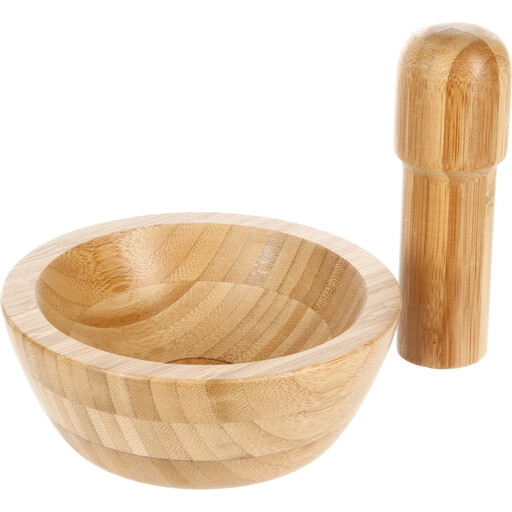
Why it suits this profile: This pestle and mortar is suitable for anyone who wants to start working with fresh or dried herbs, spices and pesto without using an electrical appliance.
The capacity and dimensions are clearly stated: 13 cm in diameter, 9 cm high and with a volume of 0.18 litres. This makes it easier to assess the size in advance.
Bamboo construction, suitable for herbs and spices, with hand-washing clearly stated as the care instruction.
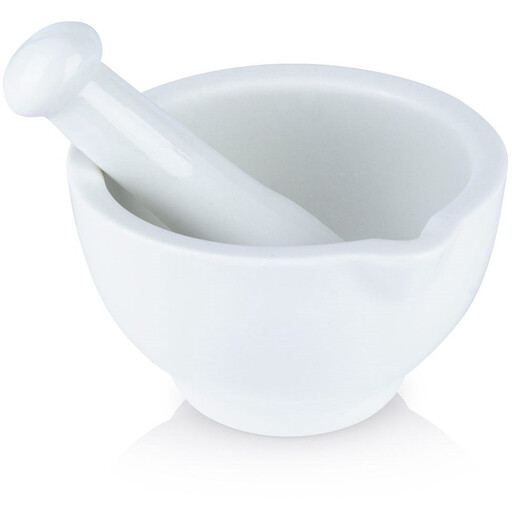
Why it suits this profile: The ceramic design with pouring spout is ideal for home cooks who want to prepare and pour herbs, spices and pesto with precision.
The 10 cm diameter and 354-gram weight are specified. The pouring spout makes it easier to transfer ground ingredients without needing an additional spoon.
Ceramic construction, pestle included and, according to the product information, dishwasher-safe.
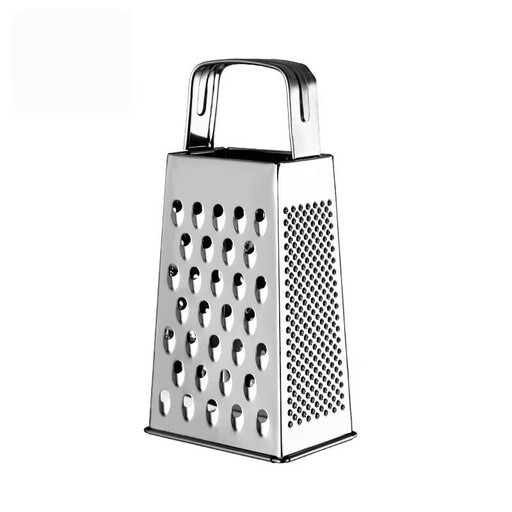
Why it suits this profile: A four-sided grater is practical for anyone who regularly wants to grate or slice cheese, vegetables and other ingredients in different ways.
The four-sided design makes the available functions clear. You do not have to rely on a vague multifunctional claim; instead, you can directly match the design to your cooking tasks.
Stainless steel construction and four sides for different grating and slicing applications.
We have put together a complete, up-to-date list of products that fully meet these strict selection criteria and the applicable European safety regulations.
Not every cooking task calls for the same tool. For a household that often prepares meat, a meat slicer, boning knife or cleaver may be useful. A chef’s knife is more versatile for vegetables, fruit and meat. A manual chopper is useful for onions, herbs and small quantities of vegetables without requiring a power connection.
These accessories may also come in handy:
When choosing a cutlery holder, consider its stability, material and the dimensions of your worktop. With ceramic products, it is advisable not to use them if they are cracked or damaged.
Start with a chef’s knife, kitchen scissors, grater, chopping board and a simple pestle and mortar. Then add a manual chopper or vegetable slicer if you often perform those tasks. It is better to choose a few tools that you use regularly than a large set of components that remain unused in a drawer.
Their lifespan depends on the material, frequency of use and maintenance. A metal grater can remain useful for a long time if you dry it thoroughly after washing. Wooden or bamboo products require hand-washing and must be allowed to dry completely. Knives remain practical when stored safely and sharpened at the right time.
Not necessarily. Compare the price with the features you actually need, the capacity, the material and the maintenance costs. A simple tool used weekly may offer more value than an elaborate product with functions you rarely need.
