
Vandaag of morgen in huis

Kwaliteit gegarandeerd

Welkomstaanbiedingen ontgrendelen: GRATIS bezorging | Tot 80% korting | Gratis 30 dagen JoyPlus-proefperiode
Download de app
A kitchen slicer can save you time when slicing bread, cheese, meat, vegetables and fruit. However, not every model is suited to every task. An electric slicer for everyday bread, for example, needs different features from a mandoline slicer for cucumber or carrot.
Most disappointing purchases come down to three common pitfalls:
First, check the available thickness settings. For bread, cheese and meat, a range of around 0 to 15 mm works well for a variety of portions. Models with a range of up to 20 or 23 mm give you more room for thick slices of bread, larger pieces of cheese or chunkier slices.
A bread slicer often has a serrated blade. It grips the crust better without squashing the bread completely. A smooth blade is usually more practical for cold meats and cheese. Some machines come with two blades, so you can choose the one that’s best suited to the ingredient.
With a manual vegetable slicer or mandoline slicer, interchangeable inserts matter more than motor power. Check how many cutting options are actually included and whether the set comes with a collecting container.
An electric slicer with 150 to 250 watts is sufficient for many household tasks, but you should consider the power rating alongside the machine’s construction. A metal housing, stable carriage and gear drive can all help provide a smooth, even motion.
Also check the instructions for extended use. According to the Fritel SL 3710 product information, the motor can run for a maximum of 10 minutes continuously, after which a cooling-down period is recommended. This matters if you want to slice large quantities of bread or meat in one go.
A professional slicer for home use often has a larger carriage, a heavier base or electronic speed control. These features can be useful for frequent use, but the machine will also take up more space.
A stainless steel vegetable slicer is worth considering if you’re looking for a manual tool that’s easy to rinse clean. For electric models, a metal carriage, removable blade and non-slip feet are practical features.
Before you buy, check:
Always use the pusher supplied with an electric machine. Don’t touch the blade while the machine is running, and unplug it before removing or cleaning the blade.
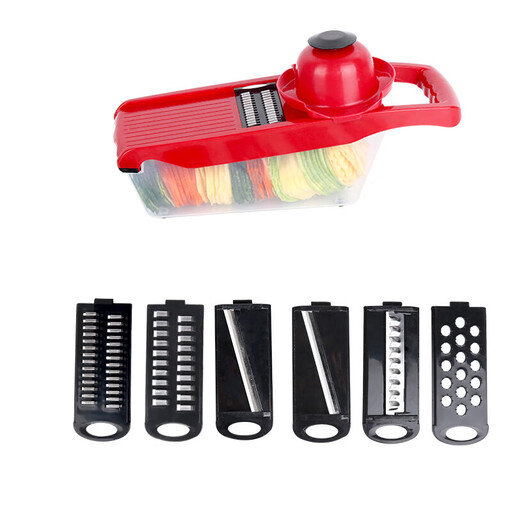
Why it suits this type of user: This manual model is a good choice if you mainly want to slice vegetables without putting an electric machine on your worktop. The included box can help collect the chopped ingredients.
You’re not paying for motor power you don’t need. Just check in advance which cutting shapes and thicknesses are actually included with this model.
Manual operation and a collecting box for vegetables. Suitable for simple everyday food preparation.

Why it suits this type of user: The product information lists a metal construction, a carriage with a 24 cm cutting path and electronic speed control. These features are a good fit for home cooks who value control and versatility.
The specifications list both a serrated and a smooth blade, as well as adjustable speed. So your choice isn’t based on wattage alone.
Slice thickness of up to 23 mm according to the product description, with two blade options for bread, meat and cheese.

Why it suits this type of user: According to the product specifications, this electric slicer has a 19 cm blade, a slice thickness range of 0 to 20 mm, a carriage tilted at 15 degrees and a metal housing.
The settings are clearly specified. The instructions to set the dial to 0 after use and not to run the motor for longer than recommended help make everyday use safer.
A 0 to 20 mm range, metal end plate, collecting tray and non-slip feet, according to the product information.
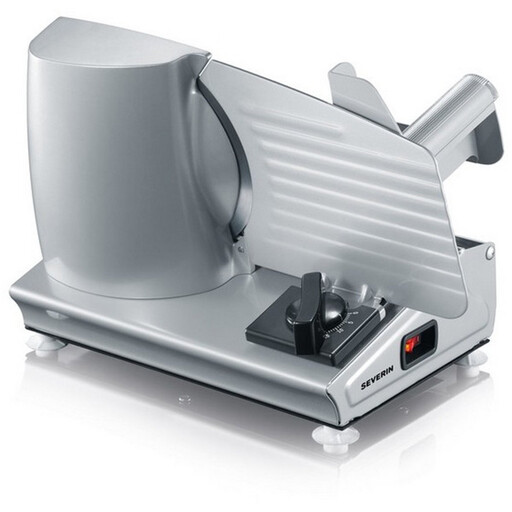
Why it suits this type of user: The machine has an adjustable slice thickness of 0 to 15 mm, a power rating of 180 watts and two blades. It’s designed to handle a range of foods, including bread, cheese, cold meats and vegetables.
The two blade options mean you don’t have to use the same blade for every ingredient. The finger guard and stainless steel carriage address important safety and stability concerns.
Smooth adjustment up to 15 mm, smooth and serrated blades, rubber feet and a plastic pusher, according to the product description.
We’ve put together a complete, up-to-date list of products that meet these strict selection criteria and current European safety regulations.
That depends on the motor, drive system and recommended operating time. A compact model is often enough for a few slices of bread or portions of cheese each day. If you’re processing larger quantities, check the maximum operating time and cooling period in the manual.
A low setting is useful for thin cold meats. Bread is often best sliced more thickly. A range of 0 to 15 mm suits many household needs; models that go up to 20 or 23 mm give you extra room for thicker slices.
Switch off the machine, unplug it and remove the blade according to the instructions. Wipe the housing and carriage clean with a suitable cloth, and don’t immerse an electric machine in water. Use the finger guard when slicing and keep the appliance out of children’s reach.
