
Vandaag of morgen in huis

Kwaliteit gegarandeerd

Welkomstaanbiedingen ontgrendelen: GRATIS bezorging | Tot 80% korting | Gratis 30 dagen JoyPlus-proefperiode
Download de app
Whether you're preparing a quick family meal or an elaborate dinner for friends, the right tools make all the difference. But the search for the perfect cutting appliance for your kitchen can be frustrating. The market is flooded with devices that promise the world but often fall short in practice. Before you invest in a new electric food slicer or vegetable slicer, it's wise to know what to look for. Many purchases end up as unused clutter in the cupboard, which is a waste of your money and space.
Here are a few common pitfalls:
all-purpose slicer that claims to cut bread, meat, and cheese alike often struggles with a hard bread crust or fails to deliver paper-thin slices of carpaccio.peeler or mandoline made of inferior material will be dull and unusable after just a few months, leading to frustration and unsafe situations.To avoid a bad purchase, it's helpful to understand a few technical specifications. These details determine whether a device will perform well and last for years to come.
The heart of every slicer is its blade. Pay attention to two things here:
peeler, stay sharp longer but are more brittle.bread slicer. A smooth blade is better suited for slicing deli meats and cheese paper-thin, which is what you want in a good meat slicer. Some professional-grade slicers offer the option to swap out blades.With an electric food slicer or multi-chopper, wattage isn't everything. The drive system is at least as important. A gear-driven motor is generally more robust and reliable than a model with a plastic belt, even if the wattage is lower. This ensures a consistent and powerful cutting motion, which is essential for slicing firm foods.
Safety comes first. A good mandoline always includes a food holder to protect your fingers. For electric appliances, non-slip feet and a dual safety switch are indispensable. Also, check if parts like the blade, carriage, and food tray are removable and dishwasher-safe. A Philips SaladMaker or an electric grater with separate, washable parts will save you a lot of time and effort.
Based on these criteria, we have selected a number of products that suit different user profiles.

Why This Fits Their Persona: Ideal for those who regularly bake their own bread, slice deli meats for a charcuterie board, or want perfectly sliced cheese. This machine is a workhorse for various tasks.
This is no flimsy "jack-of-all-trades." The metal housing, gear drive, and large stainless steel blade make this a robust, specialized machine that delivers consistent performance.
The tilted carriage (15°) ensures a better slicing result, and the slice thickness is precisely adjustable from 0 to 20 mm.

Why This Fits Their Persona: For those who want fresh salads, grated cheese, or sliced vegetables daily without the hassle. Speed and convenience are key here.
This device tackles the "hard to clean" pitfall. All accessories are dishwasher-safe, making cleanup a breeze.
The direct-serve feature lets sliced ingredients fall directly into your salad bowl or pan. The six stainless steel inserts offer versatility, from slices to julienne.
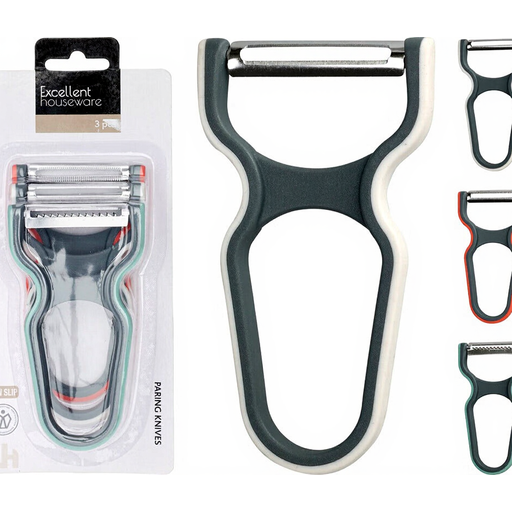
Why This Fits Their Persona: For the home cook looking for a simple, effective, and affordable solution for daily peeling and slicing tasks without buying a large electric appliance.
This set tackles the "blades that dull quickly" pitfall. According to the manufacturer, ceramic blades stay sharper longer than cheap steel versions, ensuring a longer lifespan.
A set of three different peelers at a low price offers versatility for various types of fruits and vegetables. The non-slip handle provides extra grip.
We have compiled a complete, up-to-date list of products that meet these strict selection criteria and safety regulations.
Always turn off the appliance and unplug it from the outlet before you begin. Carefully remove the blade according to the manufacturer's instructions. Clean it with a soft brush and soapy water, rinse it, and dry it thoroughly immediately to prevent rust. Most blades for home use do not need to be sharpened but may need to be replaced after many years of intensive use.
A mandoline has an extremely sharp blade and can be dangerous if used incorrectly. Always use the included finger guard or food holder, especially when slicing the last bit of a vegetable. Work on a stable, flat surface and take your time. Do not force the vegetable across the blade.
This depends on what you primarily want to slice.
professional-grade slicer for home use sometimes includes both blades or offers the option to order them separately.