
Vandaag of morgen in huis

Kwaliteit gegarandeerd

Welkomstaanbiedingen ontgrendelen: GRATIS bezorging | Tot 80% korting | Gratis 30 dagen JoyPlus-proefperiode
Download de app
A quality kitchen scale is indispensable, whether you're baking a cake, measuring portions for a diet, or finding the perfect amount of coffee beans. But the market is saturated with models that look great at first glance, only to disappoint in practice. Many people buy a scale that becomes inaccurate after a few months or proves cumbersome to use.
As a Joybuy Product Recommendation Officer, I'm here to help you cut through the marketing jargon. In this guide, we'll discuss the most common pitfalls and the specifications that truly matter, ensuring you choose a model that perfectly suits your kitchen and cooking style.
Before we explore the options, it's crucial to recognise the common mistakes. This will help you avoid buyer's remorse.
smart kitchen scale sounds modern, but you often pay a premium for a clunky app you'll never use again after the first try. If the app integration isn't seamless or offers no clear added value, it's a waste of money.To avoid the pitfalls mentioned above, focus on three key specifications. These will determine whether a kitchen scale becomes a helpful tool or a source of frustration.
A scale's precision is expressed in grams. For most home cooks and bakers, an accuracy of 1 gram is sufficient. Are you an avid bread baker or a coffee enthusiast? Then consider a model with 0.5g or 0.1g precision. The maximum capacity is typically 5 kg, which is more than enough for almost all home applications. A 1 gram kitchen scale is the gold standard for general use.
digital kitchen scale offers high precision, an easy-to-read display, and almost always includes a tare function. This feature resets the weight to zero after you place a bowl or ingredient on it, making it simple to measure multiple ingredients in the same container.analogue kitchen scale operates mechanically and requires no batteries. They often have a retro aesthetic that looks beautiful in a farmhouse or vintage-style kitchen. The downside is their lower precision (often in 20-25 gram increments) and the lack of a digital tare function.The material of the weighing platform is important for hygiene and durability.
A kitchen scale with bowl can be convenient, especially if the bowl is removable and dishwasher-safe.
Below is a selection of kitchen scales tailored to different user profiles.
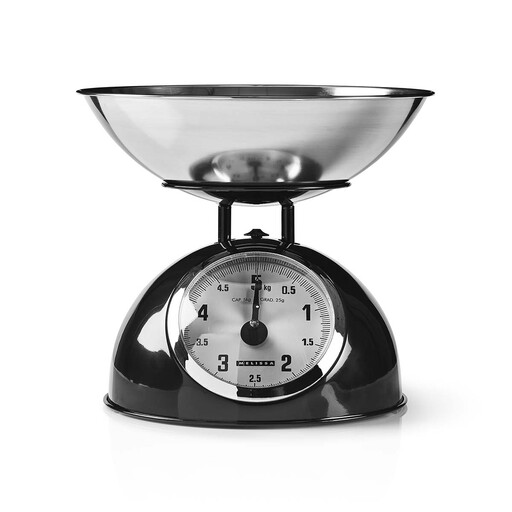
Why This Fits Their Persona: For those who see a scale not just as a tool, but as a style statement. This model combines a classic retro look with practical functionality for everyday cooking, without relying on batteries.
The robust metal housing and mechanical design are built for longevity, unlike cheap plastic models. It's a deliberate choice for style and durability, not for superfluous features.
It always works, as no batteries are required. The removable stainless steel bowl is practical and easy to clean.

Why This Fits Their Persona: Ideal for athletes, dieters, or anyone mindful of their nutrition. This `nutrition scale` not only measures weight but also provides instant insights into calories and macros via its own colour screen and the companion app.
This is a 'smart' scale that actually delivers on its promise. The nutritional analysis is displayed directly on the bright screen, and the app syncs with a database of 1.3 million food items, making it genuinely functional for tracking goals.
Provides direct visual feedback on nutritional values on the device itself. The extensive food database eliminates the need for manual lookups.
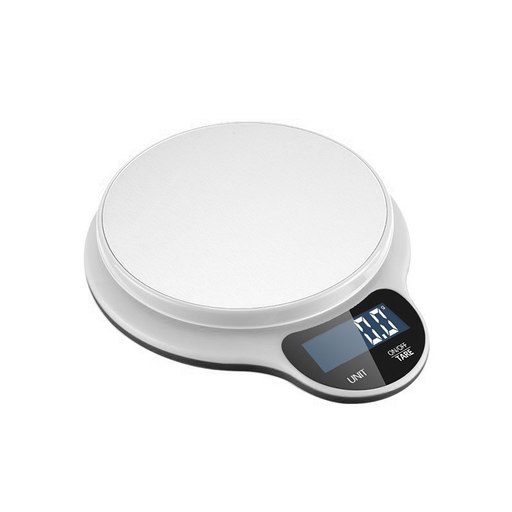
Why This Fits Their Persona: For the home baker who wants no-frills functionality but demands absolute precision. This model focuses on the core task: weighing accurately. Its stainless steel platform is hygienic, and the bright display is always easy to read.
This scale directly tackles the inaccuracy pitfall with a precision of 0.5 grams. Its flat, seamless stainless steel platform solves the 'impractical design' problem; it is exceptionally easy to keep clean.
The higher precision of 0.5 grams is ideal for delicate recipes. The stainless steel surface with an anti-fingerprint coating keeps it looking neat.
We have compiled a complete, up-to-date list of products that fully meet these strict selection criteria and local safety regulations.
Most digital kitchen scales for home use calibrate automatically when you turn them on while placed on a flat, stable surface. For models that support manual calibration, you will need a known weight (often sold separately). Follow the manufacturer's instructions in the user manual, which typically involves holding down a button and placing the calibration weight on the scale.
This depends heavily on usage and the type of scale. Most digital scales use AAA or coin-cell batteries (like the CR2032). Thanks to the auto-off feature, batteries in average use often last from 6 to 12 months. Some models, like the Aigostar battery-free scale, don't require batteries at all.
A smart kitchen scale with an app is primarily useful if you actively track your nutritional intake, calories, and macros. For athletes or individuals with specific dietary requirements, it can be a powerful tool for monitoring goals. For the average cook who only needs to weigh ingredients for a recipe, an app often offers little added value, making a standard digital kitchen scale a more practical and cost-effective choice.
