
Vandaag of morgen in huis

Kwaliteit gegarandeerd

Welkomstaanbiedingen ontgrendelen: GRATIS bezorging | Tot 80% korting | Gratis 30 dagen JoyPlus-proefperiode
Download de app
A recipe that fails because the measurements are off, or a diet you can't follow properly. An inaccurate or clumsy kitchen scale is a source of frustration. The market is flooded with models that promise a lot but often disappoint in practice. As a Joybuy Product Recommendation Officer, I'll help you see through the marketing jargon and choose a model that truly suits your needs.
Before you make a choice, it's wise to know the most common pitfalls:
smart kitchen scale with an app sounds convenient, but the reality is often an outdated app, a limited food database, or an unstable Bluetooth connection. This causes more frustration than convenience.To make a good choice, you don't need to memorise technical specifications. Focus on the following three practical points.
The required accuracy depends on your use case.
baking scale with a precision of 1 gram and a maximum capacity of 5 kg is usually sufficient. This allows you to weigh flour, sugar, and other basic ingredients perfectly.precision scale that is accurate to 0.1 grams. Only then can you determine the perfect ratio for your espresso or pour-over coffee. A dedicated coffee scale often includes a built-in timer.diet scale with 1-gram precision is typically enough, but its reliability at low weights is crucial for weighing small portions.The material of the weighing platform determines its durability and ease of maintenance.
stainless steel kitchen scale is hygienic, durable, and easy to clean. Many models have an anti-fingerprint coating.A good digital kitchen scale has a few basic functions that make your life easier.
We have selected a few models that suit specific needs and avoid the pitfalls mentioned earlier.
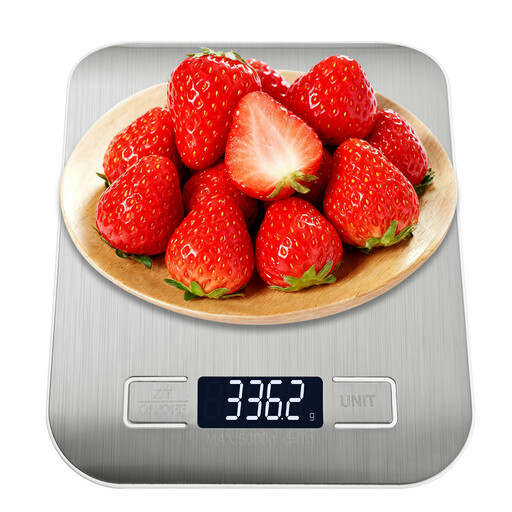
Why This Fits Their Persona: This is a no-nonsense scale for daily use. Ideal for those who need reliable measurements for baking recipes or portioning meals, without paying for features they won't use.
The stainless steel surface is more durable and hygienic than cheap plastic or fragile glass. The anti-fingerprint coating keeps the device looking clean.
Clear LCD screen, supports multiple units (g/oz/lb:oz/ml), and has a reliable tare function. A solid, foundational model.
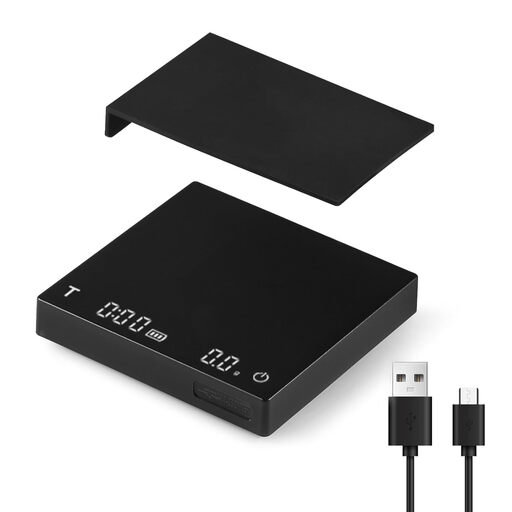
Why This Fits Their Persona: For those who take their coffee seriously. The 0.1-gram precision, built-in timer, and compact size make this the ideal scale for the portafilter of your espresso machine or for a pour-over.
This is a true `precision scale` that is reliable at small weights, unlike standard kitchen scales that fail here. The rechargeable battery prevents hassle.
The intelligent auto-timing starts the timer automatically as soon as you begin pouring. The gravity sensor activates the scale when you place something on it.

Why This Fits Their Persona: Perfect for those who count calories and macros. This `diet scale` syncs with an app but also displays the most important nutritional information directly on its own screen.
Unlike 'smart' scales with a poor app, this model also functions independently. The large colour screen and built-in database make you less dependent on your phone.
The 4.54-inch VA colour screen instantly displays nutritional values. According to the manufacturer, the database contains over 1.3 million food items for accurate tracking.
We've compiled a complete, up-to-date list of products that meet these strict selection criteria and comply with UK regulations.
Most modern digital scales calibrate themselves automatically when you turn them on. To check the accuracy, you can use an object with a known weight, such as an unopened 1 kg bag of sugar. Place the scale on a stable, flat surface. If the measurement is significantly off, check the batteries and consult the manual. Do not try to open the scale yourself.
The main difference is precision. A baking scale typically weighs in 1-gram increments, which is fine for flour or sugar. A coffee scale has higher precision, often 0.1 grams, which is essential for accurately weighing coffee beans. Additionally, coffee scales often have a built-in timer to measure the brew time of your coffee.
A stainless steel scale is a popular choice due to its durability and hygiene. Potential disadvantages are that they can be slightly more expensive than plastic models. Although many stainless steel surfaces have an anti-fingerprint coating, fingerprints may be more visible on models without this coating than on a matte plastic surface.
