
Vandaag of morgen in huis

Kwaliteit gegarandeerd

Welkomstaanbiedingen ontgrendelen: GRATIS bezorging | Tot 80% korting | Gratis 30 dagen JoyPlus-proefperiode
Download de app
Ever had a recipe fail because of an inaccurate measuring cup? Or perhaps you want to track your nutrition for your health goals but don't know where to start? A reliable kitchen scale is the foundation of consistency and precision in the kitchen. Whether you're an avid baker, a meal prepper, or managing your calorie intake, the right tool makes all the difference.
This guide is designed to help you find the right kitchen scale based on the specifications that truly matter. We'll cut through the marketing jargon and focus on what you need for your specific situation.
Before we dive into specific models, here are a few key points to simplify your choice.
The maximum weight (capacity) and the accuracy (precision) are crucial. For most home cooks, a capacity of 5 kg is sufficient. However, if you cook in large batches, make dough, or prep ingredients for the entire week, a scale with a 10 kg capacity is a wise choice.
Precision, indicated in grams, determines how accurately you can measure. A precision scale with an accuracy of 1 gram is the standard. For specialised tasks like weighing yeast or spices, a model with 0.5 or 0.1-gram precision can be beneficial.
A stainless steel kitchen scale is popular for its durability and hygienic properties. It's easy to clean and fits well in a modern kitchen. Another common material is tempered glass, which offers a sleek look and is also easy to clean. For stainless steel models, check if they have a fingerprint-resistant coating to keep the surface looking pristine.
Modern scales offer more than just weighing. The tare function is indispensable: it resets the weight to zero after you place a bowl or plate on the scale. This allows you to weigh only the ingredient.
For those serious about health and nutrition, a kitchen scale with an app is a game-changer. Through a Bluetooth connection, the scale syncs with an app on your phone, allowing you to instantly track calories and macronutrients. This makes it an ideal nutrition scale for athletes and anyone following a diet.
Based on the criteria above, we've selected a few models that excel in their specific functions and design.
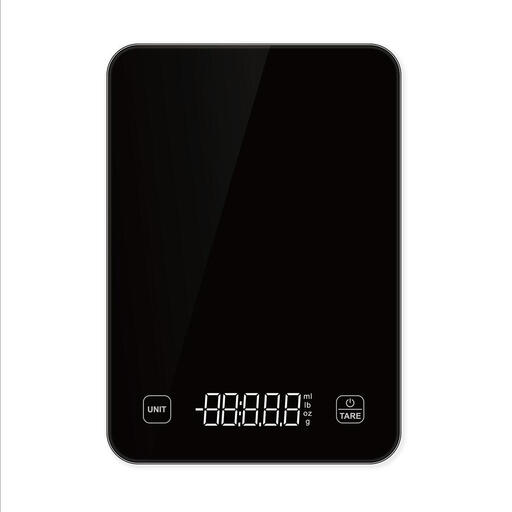
Why this model stands out: This model combines a very high capacity of 10 kg with smart functionality. The Bluetooth connectivity and accompanying app make it a powerful nutrition scale for detailed diet planning and calorie counting.
Advantages:
Who is this for? For the health-conscious user, athlete, or meal prepper who wants precise control over portions and nutritional intake. Also useful for home cooks who regularly prepare large quantities.
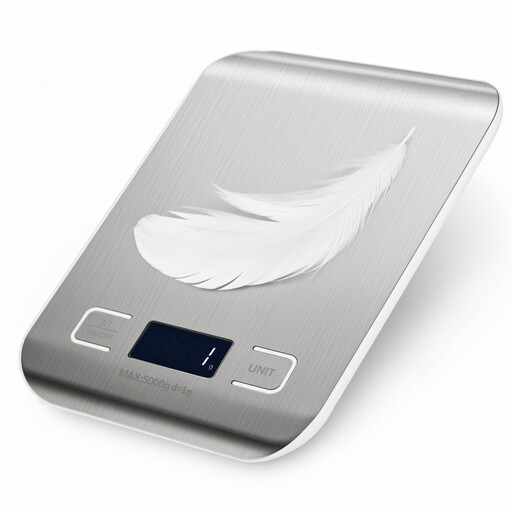
Why this model stands out: The Vivreal K5058 is a classic stainless steel kitchen scale that focuses on reliability and ease of use. Its stainless steel platform features a fingerprint-resistant coating, ensuring it always looks neat.
Advantages:
Who is this for? For the all-around home cook looking for a durable, stylish, and no-nonsense digital kitchen scale for daily use.
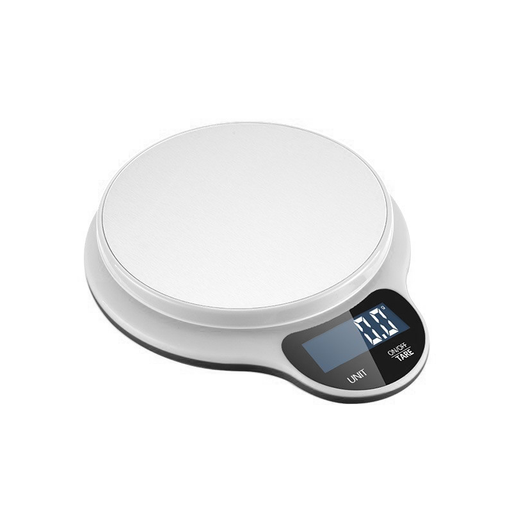
Why this model stands out: This scale from Sparoma is distinguished by its higher precision of 0.5 grams. This makes it particularly suitable for recipes where every gram counts, such as in pastry or when weighing coffee beans.
Advantages:
Who is this for? The ideal scale for baking and for cooks who value maximum accuracy for delicate recipes.
Is one of these models not quite what you had in mind? No problem. Every kitchen and every cook is different. Sometimes a different design, colour, or a specific feature might better suit your needs.
Discover more options in our full range of brand kitchen accessories.
The tare function allows you to disregard the weight of a bowl, plate, or other container. You place the empty container on the scale, press the tare button to reset the display to zero, and then add your ingredient. The scale will then show only the weight of the ingredient.
For general cooking, a precision of 1 gram is usually sufficient. For baking, where the ratios of ingredients like flour, sugar, and yeast are critical, a precision scale with 0.5 or 0.1-gram accuracy can make a noticeable difference in the final result.
A stainless steel kitchen scale is generally more durable, scratch-resistant, and hygienic than a plastic model. Stainless steel is non-porous, meaning it won't absorb odours or colours from food. Plastic scales are often lighter and less expensive, but they can discolour or scratch over time. The choice depends on your budget and how intensively you plan to use the scale.
