
Vandaag of morgen in huis

Kwaliteit gegarandeerd

Welkomstaanbiedingen ontgrendelen: GRATIS bezorging | Tot 80% korting | Gratis 30 dagen JoyPlus-proefperiode
Download de app
A ruined cake, a runny sauce, or a diet that isn't working. Sometimes the cause is an unlikely culprit: an inaccurate kitchen scale. The market is flooded with models that look sleek but fail to deliver in practice. As a Joybuy Product Recommendation Officer, I'll help you cut through the marketing jargon and find a model that simply gets the job done.
Before you make a choice, it's good to know the most common pitfalls:
smart kitchen scale sounds convenient, but it often relies on a slow, clunky app. If you have to unlock your phone for every measurement, the "smart" appeal fades quickly.To avoid a bad buy, it's wise to check a few key specifications. These determine whether a scale is suitable for your needs.
Different tasks require different levels of precision. The right choice depends on what you plan to do with it.
digital kitchen scale. It's perfect for most home cooks and bakers. A baking scale with a capacity of up to 5 kg is a versatile choice for daily use.precision scale is especially useful for specific tasks, like weighing coffee beans for a perfect pour-over, yeast for bread dough, or expensive spices.analog kitchen scale is less accurate but is perfectly fine for basic recipes where a few grams more or less won't make a big difference.Each type has its own pros and cons.
kitchen scale with a bowl, which is handy for weighing loose ingredients.diet scale. It connects via Bluetooth to an app on your phone to track nutritional values like calories, protein, and fats.A kitchen scale should be easy to keep clean. A smooth surface without seams or crevices is essential.
Based on these criteria, we have selected a few models that suit different users.
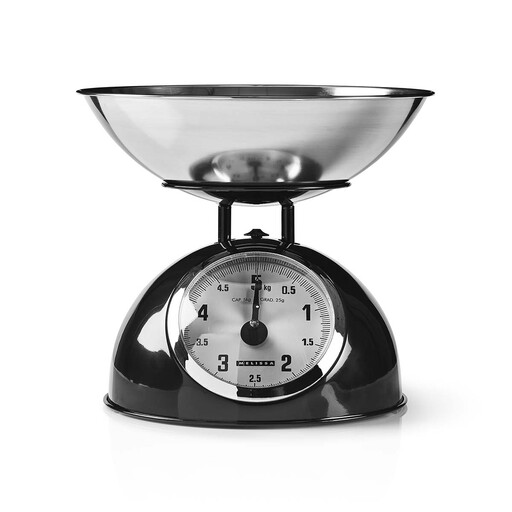
Why This Fits Their Persona: For those who want to combine functionality with a decorative element. This analog scale is an eye-catcher in a rustic or vintage kitchen and works without the hassle of batteries.
The robust metal housing is built for long-term use, unlike cheap plastic models. Because it's mechanical, there are no digital components that can fail.
Works every time, no batteries required. The large, removable stainless steel bowl is practical for adding ingredients directly and is easy to clean.
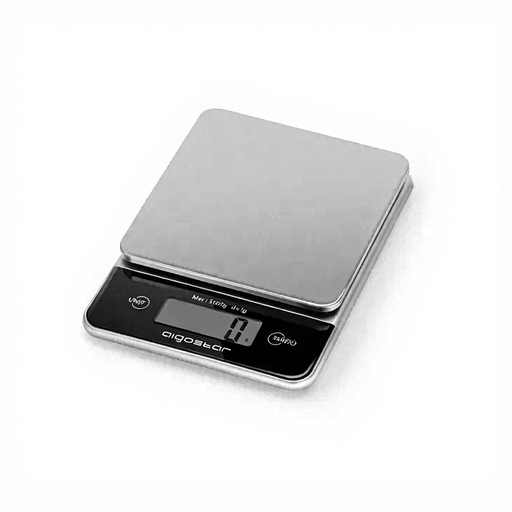
Why This Fits Their Persona: For those who follow recipes to the gram. This flat, digital model is ideal for baking and meal prep. Its slim design makes it easy to store in a drawer.
The smooth stainless steel surface has no gaps or edges where dirt can accumulate. This makes cleaning simple and hygienic, unlike models with physical buttons.
The tare function makes weighing multiple ingredients in one bowl highly efficient. The clear LCD screen and 1-gram precision ensure reliable results.

Why This Fits Their Persona: Ideal for athletes, people on a diet, or anyone who is mindful of their nutrition. This scale not only measures weight but also instantly analyses nutritional values.
This model bypasses "smart frustration" by displaying essential information directly on its large colour screen. The app is a supplement, not a requirement for basic functions.
Provides real-time insight into calories and macros via the built-in screen and a comprehensive food database in the app. The 1-gram precision is ideal for accurate portion control.
We have compiled a complete, up-to-date list of products that meet these strict selection criteria and local regulations.
Most home-use kitchen scales are self-calibrating and do not need to be set manually. Always make sure to place the scale on a hard, flat surface and turn it on with nothing on it. The display should then show "0". If you suspect inaccuracies, you can check its precision with a product of a known weight, such as a 1 kg bag of sugar.
The lifespan heavily depends on the quality of the sensors and the build quality. A cheap plastic model might fail after just a year, whereas a more robust model made of stainless steel or with a better sensor can last for years. Proper maintenance, such as avoiding water and not exceeding the maximum capacity, significantly extends its lifespan.
For most baking recipes, an accuracy of 1 gram is sufficient. A precision scale with 0.1-gram increments is mainly an advantage when working with very small quantities, such as yeast, salt for small doughs, or specific powders for patisserie. For the average apple pie or cake, 1-gram precision is perfectly fine.
