
Vandaag of morgen in huis

Kwaliteit gegarandeerd

Welkomstaanbiedingen ontgrendelen: GRATIS bezorging | Tot 80% korting | Gratis 30 dagen JoyPlus-proefperiode
Download de app
A roll of kitchen paper might seem like a simple purchase, but differences in sheets, plies, size and moisture resistance have a big impact on how you use it. A cheap pack isn’t always good value if you need several sheets for one spilled drink. On the other hand, an extra-large kitchen roll can be awkward when you have limited storage space.
The same goes for toilet paper: there’s more to consider than just the number of rolls. A 3-ply toilet tissue can feel comfortable, while 4-ply toilet paper is thicker and may require fewer sheets per use. The right choice depends on your household, how you use it and the storage space you have available.
A pack of twelve rolls might look bigger than a pack of four, but the number of sheets per roll can vary significantly. So always check:
A jumbo kitchen roll, for example, can replace several standard rolls. According to the product information, the Selpak Kitchen Paper Jumbo 1x6 is described as equivalent to six standard rolls and contains around 300 perforated sheets. That makes comparing on roll count alone misleading.
Absorbent kitchen paper is handy for water, oil and spilled liquids, but not every type is intended for contact with food, hot surfaces or heavy cleaning. Check the usage information on the packaging.
What’s more, kitchen paper should not be flushed down the toilet. Toilet paper is designed to break down in water, but even then, thicker varieties can cause problems. With the C&S 4-Ply toilet paper, it’s recommended to flush in small amounts due to its thickness.
Terms like “bamboo”, “recycled” or “biodegradable kitchen paper” don’t automatically tell you how the product is packaged or how it should be disposed of. Check the full product description and your local waste disposal rules.
With some products, the claim relates to the material; with others, it’s about the packaging. For example, Nalys Moisture Catchers Kitchen Paper 12 Rolls is supplied in a film that, according to the product information, contains 80% recycled material. That’s a verifiable packaging specification, but it doesn’t mean the paper itself is fully recycled.
More plies can contribute to a thicker, stronger sheet, but the result also depends on the paper weight and structure. For everyday use, 2-ply kitchen paper is often practical. For oil, wet surfaces or more intensive cleaning, 3-ply kitchen paper can offer better grip.
With toilet paper, pay attention to the difference between 3-ply toilet paper and 4-ply toilet paper. A 3-ply option is often a practical balance between softness, thickness and usage. A 4-ply option feels thicker, but requires extra care when flushing.
An extra-large kitchen roll is interesting for families or households that cook regularly. Large sheets absorb moisture more quickly and can be suitable for bigger surfaces. However, they also take up more space and aren’t always necessary for small jobs.
So check the sheet size. The Selpak Jumbo roll lists approximately 260 × 228 mm per sheet and around 300 sheets per roll. A product with smaller sheets may seem cheaper per pack, but can be less practical for larger spills.
For a small household, a pack of two or four rolls may be sufficient. Families and heavy users can benefit from kitchen paper bulk or a toilet paper bulk pack. But do consider storage: paper takes up a lot of volume, especially when the packaging isn’t compact.
For daily cleaning, the following options are relevant:
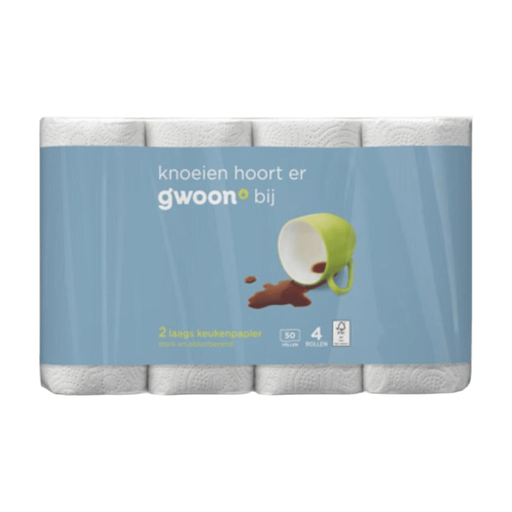
Why this fits the profile: A straightforward pack of four rolls is suitable when you want to buy a practical basic stock without committing to a large purchase straight away.
The packaging clearly states 2 plies and 4 rolls, so you can easily compare the basic details with other packs.
2-ply construction; pack of 4 rolls; suitable for everyday household use according to the product description.
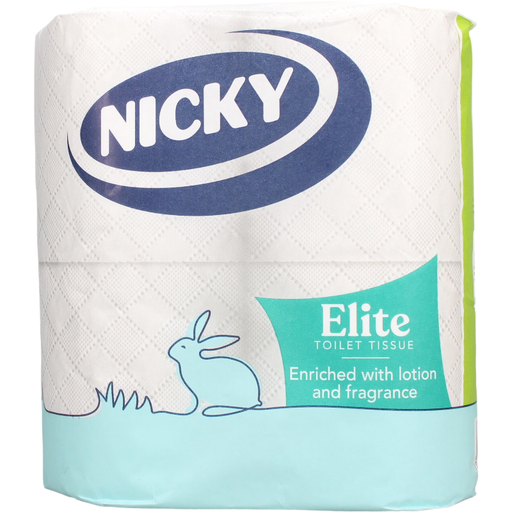
Why this fits the profile: This toilet paper is aimed at households that value a 3-ply structure and a soft, thicker option for everyday use.
The specifications mention 3 plies and a pack of 4 rolls. This lets you assess the thickness and quantity based on concrete information rather than just a soft marketing term.
3-ply toilet paper; 4-pack; product description mentions absorbency and strength.
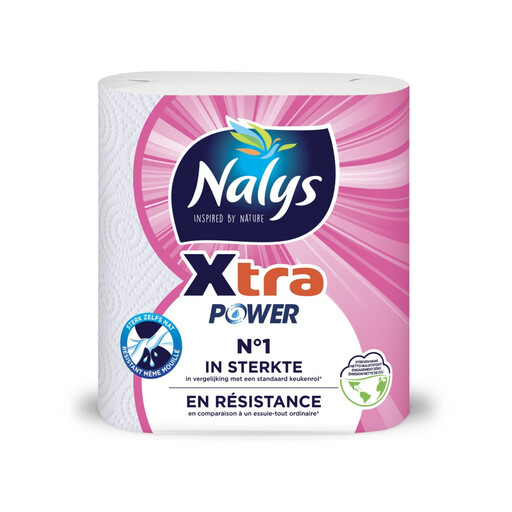
Why this fits the profile: Handy for households that want to use one type of paper for wet spills, oil and multiple cleaning tasks.
According to the product description, the paper stays strong when wet, doesn’t fray and is absorbent. Always check the usage instructions for specific surfaces.
Multi-use design; pack of 2 rolls; according to the product information, resistant to use when the paper is wet.
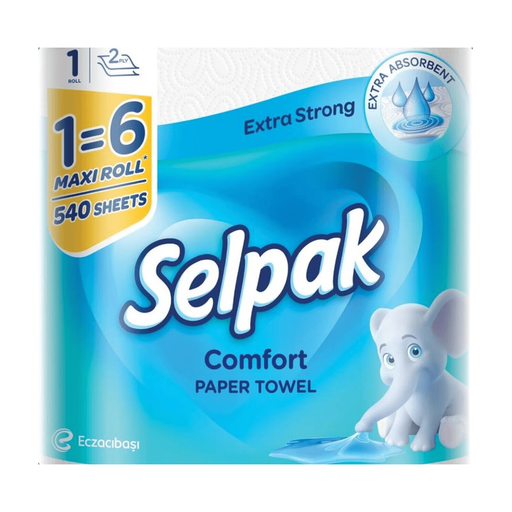
Why this fits the profile: A large roll is practical for a busy household that wants to replace the kitchen roll less often and has enough storage space.
The product information states the number of sheets, the size and the comparison with six standard rolls. This helps you estimate your stock more accurately.
Jumbo kitchen roll; approximately 300 sheets; perforated; according to the product information, suitable for food contact.
We’ve put together a full, up-to-date list of products that fully meet these strict selection criteria and current European safety regulations.
Don’t just compare the price per pack. Divide the price by the number of rolls, and then also look at the number of sheets and the sheet size. With a kitchen paper bulk pack, the price per roll may be lower, but you’ll also need more storage space.
Kitchen roll usually doesn’t have a short shelf life like fresh products. Store rolls in a dry, clean place away from moisture. Always check the information on the packaging for any best-before or storage instructions.
No. Kitchen roll is designed to absorb moisture and should go in the general waste according to the usage instructions. Only toilet paper is intended for flushing. With thick 4-ply toilet paper or a sensitive drainage system, it’s wise to use small amounts and follow the instructions on the packaging.
