
Vandaag of morgen in huis

Kwaliteit gegarandeerd

Welkomstaanbiedingen ontgrendelen: GRATIS bezorging | Tot 80% korting | Gratis 30 dagen JoyPlus-proefperiode
Download de app
A roll of kitchen paper or a set of kitchen towels might seem like a simple purchase. However, there are clear differences in material, size, absorbency and running costs. The wrong choice can lead to paper that tears easily, cloths that spread moisture, or a supply that runs out much faster than expected.
When it comes to kitchen roll and kitchen towels, households don't just look at the price. You should also check the number of sheets, the thickness, the dimensions, and whether the product is designed for single or repeated use.
A pack with lots of sheets may seem good value, but the sheets could be small or thin. So look at the combination of number of sheets, number of plies and sheet dimensions. A product with 2 plies and sheets measuring 225 × 200 mm is quite different from a roll with smaller sheets.
When comparing, you might want to work out the price per sheet or per 100 sheets. That gives a clearer picture than just the number of rolls on the pack.
Terms like oil- and water-absorbent sound convincing, but they don't automatically tell you how much moisture a product actually takes in. Pay attention to the material and construction:
When a brand mentions a specific performance, treat it as a claim from the product description. For example, the description of some reusable kitchen wipes mentions a combination of use for oil and water; that's not a universal guarantee for every kitchen or surface.
A reusable kitchen cloth can reduce waste and repeat purchases, but it does need to be washed properly and dried completely. A cloth left folded up while damp can start to smell unpleasant. A disposable kitchen cloth or kitchen roll is more practical for raw food, grease or quick clean-ups, but it does create more waste.
For kitchen roll, 2-ply sheets are a common choice. Two plies can offer more structure and strength than a single sheet, but the paper quality varies from product to product. C&S states 100% virgin wood pulp for several of its variants. Always check the product information and any instructions on the packaging when using it around food.
For fabric cloths, the difference between cotton and microfibre matters:
A cloth measuring 30 × 30 cm is nimble for small surfaces. Larger sizes are more convenient for drying crockery or covering a worktop. The VidaXL set includes five tea towels measuring 50 × 70 cm and five hand towels measuring 50 × 50 cm, according to the product details.
With kitchen roll, check the contents per pack. Examples include:
Choose reusable kitchen wipes when you regularly clean the same surfaces and are willing to wash the cloths. Choose a disposable kitchen cloth or kitchen roll for spilled oil, raw meat juices, or situations where you want to avoid cross-contamination. Don't flush paper down the toilet; follow the waste disposal instructions from your local council and the product packaging.
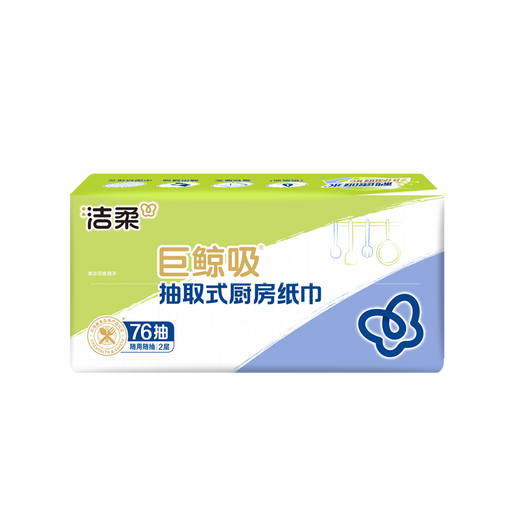
Why this fits the profile: The pack contains four bags with 75 sheets each. That makes it easy to keep track of your stock and usage per pack.
The product details state the number of plies and sheets, so you're not just relying on the number of packs.
2-ply kitchen roll; 4 bags with 75 sheets per bag.
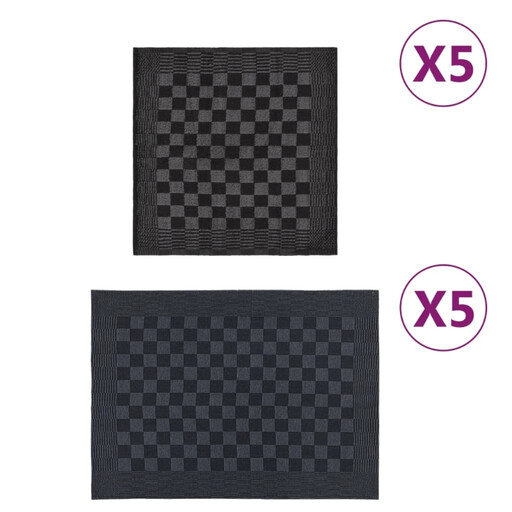
Why this fits the profile: A household that dries up and cleans every day will benefit from having several cloths in different sizes.
By combining 5 tea towels and 5 hand towels, you don't have to use one cloth for every task.
100% cotton according to the product details; 10 pieces in two sizes; machine washable.
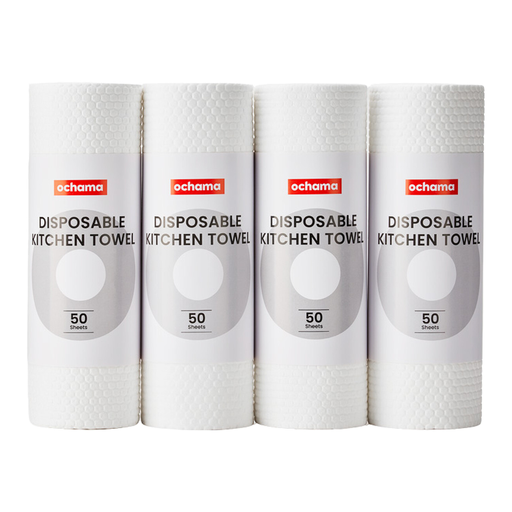
Why this fits the profile: Handy for lots of daily cleaning tasks where you want to wipe dry or slightly damp and need a fresh sheet quickly.
The product description states 4 rolls with 50 sheets each and use for wet and dry applications. That makes the stock easy to assess.
200 sheets in total; according to the product description, thicker construction and suitable for oil and water residue.
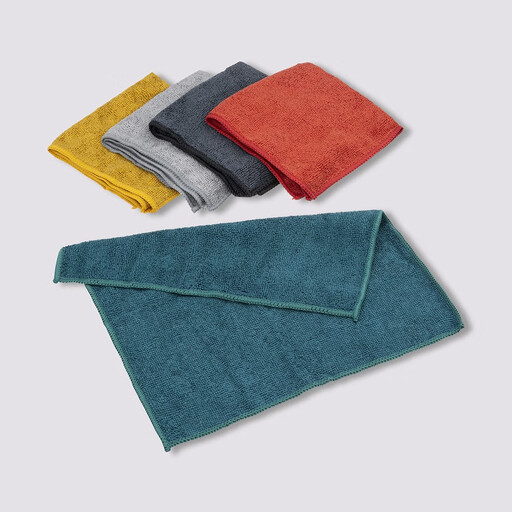
Why this fits the profile: The 30 × 30 cm size is practical for worktops, hobs and other smaller surfaces.
The fixed cloth size and quantity of 5 pieces make it clear what you're getting, without relying on vague terms like "large" or "extra absorbent".
5 cloths; size 30 × 30 cm; material according to the product details: polyester and polyamide.
We've put together a full, up-to-date list of products that fully meet these strict selection criteria and comply with current European safety regulations.
That depends on the task. Kitchen roll is handy for grease, spills and quick clean-ups. A kitchen towel or dishcloth makes more sense for drying up and regular use, as long as you wash the cloth in good time and let it dry properly.
There's no universal number of days. Replace or wash a cloth as soon as it's visibly dirty, smells unpleasant, or stays damp for a long time. Use different cloths for worktops, washing up, and areas where raw food has been handled.
Microfibre cloths can be used on many smooth surfaces, such as worktops and hobs. Do check the care instructions and use a clean cloth for each hygiene-sensitive task. For contact with food, only use what the packaging or product information allows.
