
Vandaag of morgen in huis

Kwaliteit gegarandeerd

Welkomstaanbiedingen ontgrendelen: GRATIS bezorging | Tot 80% korting | Gratis 30 dagen JoyPlus-proefperiode
Download de app
Kitchen roll and tissues may seem like simple household essentials, but differences in sheet size, ply, material and pack size affect how much you actually use. A cheap kitchen roll may run out sooner than a slightly more expensive one with more sheets. Tissues for taking out and about also have different requirements from everyday facial tissues.
With this buying guide, you can compare absorbent kitchen roll, soft tissues, bamboo kitchen roll, paper towels and coffee filters using verifiable product specifications.
A low-priced pack doesn’t automatically contain the most sheets. Always check:
For example, a kitchen roll with 120 sheets may seem like good value, but the sheet size and strength determine how many sheets you’ll need for each cleaning task.
Terms such as “super absorbent”, “water-locking” or “strong” often come from product marketing. According to the product information provided by the brands in question, these claims describe the intended user experience, but they aren’t universal measurement standards.
So also look at objective details such as two-ply construction, the number of sheets, the material and any information about resistance to moisture. For oil, spilled sauce or damp surfaces, a thicker sheet may be more practical than a thin one with appealing marketing claims.
Bamboo kitchen roll, compostable kitchen roll and biodegradable paper are often presented as environmentally conscious choices. Check exactly what the product information says:
According to the product listing, BABO kitchen rolls are made from pure bamboo pulp and described as compostable and biodegradable. The listing also mentions ISEGA certification for food contact. Always check the packaging and current product information when your order arrives.
Two-ply is a common choice for everyday kitchen tasks. For drying hands, facial cleansing or damp uses, four-ply products or cotton fibres may offer more strength. However, more plies don’t automatically make a product more suitable for every task.
Sheet size affects practical coverage. The BABO roll in the product information has 28 × 18 cm sheets, with 120 sheets per roll and six rolls per pack. According to its product listing, BREEZE facial tissues measure 190 × 198 mm, are two-ply and come with 200 sheets per box.
A larger sheet can be handy for a table or worktop, while smaller tissues take up less space when you’re out and about. So compare not only the number of sheets, but also the size of each one.
Wood pulp, bamboo pulp and cotton all have different properties. According to the product information, Purcotton tissues are made from 100% cotton and are designed for dry and damp use. The C&S pocket tissues are made from wood pulp and are four-ply, according to the same source.
Don’t flush tissues down the toilet, even if they’re described as soft or biodegradable. The product information for several of the items mentioned here warns against this because they may cause blockages.
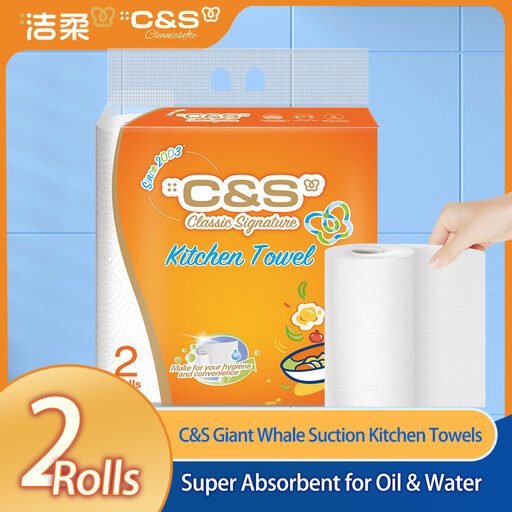
Why it suits this need: A straightforward set of two rolls for everyday spills, drying and light cleaning in a flat or smaller household.
The 140-sheet count and two-ply construction are clearly stated in the product name, making it easier to compare quantities.
Two-ply; 140 sheets across two rolls; described as kitchen paper for water and oil in the product description.
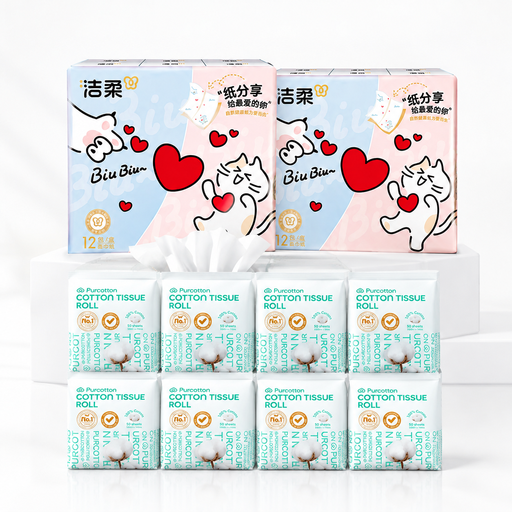
Why it suits this need: Handy for families, office workers and travellers who want both compact pocket tissues and larger packs for everyday use.
The bundle lists the quantities, ply and materials separately. This makes it clear that portability and softness are different product features.
C&S pocket tissues with four plies and seven sheets per pack; Purcotton pack made with cotton, with options for dry or damp use according to the product information.
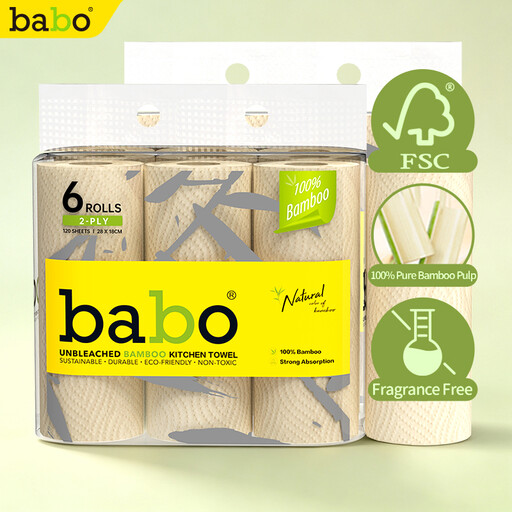
Why it suits this need: A large pack for families and busy kitchens, as well as shoppers specifically looking for bamboo pulp and kitchen roll that absorbs oil.
The pack contains 12 rolls in total, with two plies and 120 sheets per roll. This makes it easier to estimate stock and usage than with a single roll.
Bamboo pulp; two-ply rolls; 120 sheets per roll; the product listing mentions high oil absorption, compostability and biodegradability.
We’ve put together a complete, up-to-date list of products that meet these strict selection criteria and the applicable European safety requirements.
Alongside kitchen roll and facial tissues, other household paper products can come in handy:
Kitchen roll is usually designed for spills, surfaces and household cleaning. Facial tissues are more focused on softness, size and use around the face. Use both products as directed on the packaging, and don’t flush them down the toilet.
Store paper products in a cool, dry place, away from direct sunlight, moisture and heat sources. Rolls may lose their strength in a damp cupboard. Once opened, keep pocket tissues closed or store them in a tissue box.
Not necessarily. Compare the price per 100 sheets, sheet size and number of plies. A larger pack is most practical when you use the product regularly and have enough dry storage space. That way, you won’t buy unused stock that could be damaged by moisture.
