
Vandaag of morgen in huis

Kwaliteit gegarandeerd

Welkomstaanbiedingen ontgrendelen: GRATIS bezorging | Tot 80% korting | Gratis 30 dagen JoyPlus-proefperiode
Download de app
A roll of kitchen roll seems like a simple purchase until you notice that sheets tear on a wet worktop, oil seeps through or a roll runs out much faster than expected. If you only look at the price per pack, you may sometimes end up paying more per sheet. Terms such as “extra absorbent”, “maxi” and “double roll” do not always tell you enough about everyday use either.
With this practical buying guide, you can compare kitchen roll based on its ply, sheet size, number of sheets and intended use. This helps you buy kitchen roll more selectively, without relying on marketing claims alone.
A pack containing eight rolls may seem like good value, but the number of sheets per roll can vary considerably. A maxi kitchen roll often contains larger or longer rolls than a standard pack. So do not just look at the number of rolls, but also consider:
For example, according to the product description, a pack containing two double rolls may be roughly equivalent to four standard rolls. Always check exactly how the manufacturer defines this.
Strong kitchen roll is useful for wet surfaces and spilled liquids, but strength alone does not determine how convenient a roll is to use. For oil, sauce or cleaning water, absorbent kitchen roll and a good sheet structure are important. Softer paper may be more comfortable for drying your hands.
Claims about tear resistance or absorbency come from the product description provided by the brand or seller. Treat them as product specifications rather than a guarantee for every application.
“Green”, “bamboo” or “recycled” does not automatically mean that a product is the most suitable choice in every situation. Check whether the claim refers to recycled material, paper packaging, compostability or another characteristic. Also pay attention to local waste disposal rules. Used kitchen roll containing grease or cleaning products usually does not belong in the paper recycling bin.
2-ply kitchen roll is often a practical choice for everyday use and light cleaning tasks. 3-ply kitchen roll may offer more texture and thickness, but the overall experience also depends on the sheet size, paper quality and perforation.
There are also rolls with five layers. According to the Nalys Excellence product description, these sheets are thicker and larger. This can be useful when you would rather use a single sheet for a larger job. It does not automatically mean that you will need less paper for every household task.
Large sheets are useful for dealing with spilled liquids or cleaning a hob. Smaller or conveniently perforated sheets can help reduce waste when handling smaller tasks. A roll with 260 sheets, such as the Selpak Comfort Maxi, may be appealing to households that do not want to replace the roll as often.
Compare packs based on the combination of sheet size, number of sheets and number of rolls. A long roll also takes up more space in a standard kitchen-roll holder. If in doubt, measure the height and diameter of the roll.
When cooking and cleaning, it is sensible to check whether the paper is intended for household use and whether the packaging provides guidance about contact with food. Use kitchen roll according to the label and avoid applications for which the product is not intended.
If you want to use less disposable material, you could consider reusable kitchen cloths. For these products, check the care instructions, drying time and the difference between wet and dry use. A cloth should be washed regularly to prevent dirt from building up. For raw ingredients, grease or quick spills, disposable kitchen roll may be more practical.
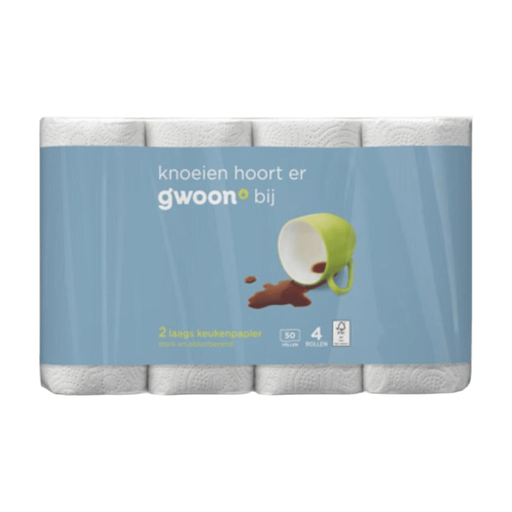
Why it suits this profile: A straightforward pack containing four 2-ply rolls for everyday wiping, cooking and small cleaning tasks.
The number of rolls and the ply are clearly stated, so you do not have to rely solely on a general claim about strength.
2-ply; 4 rolls per pack; according to the product description, suitable for household use.
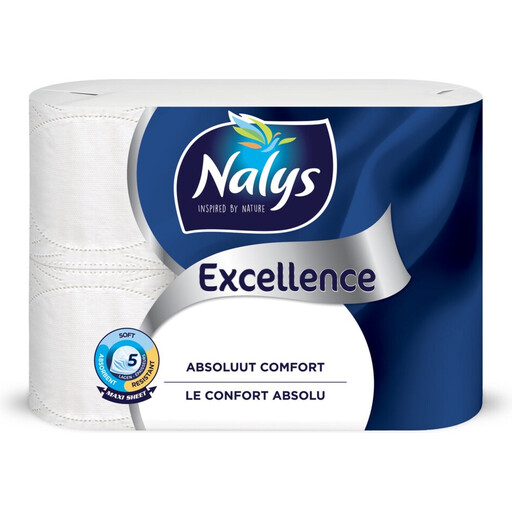
Why it suits this profile: For those who value thicker, larger sheets and paper packaging for more intensive everyday use.
The product description specifically states that it has five layers and larger sheets, rather than using only an unspecified quality claim.
5-ply; maxi sheets; paper packaging according to the product information.
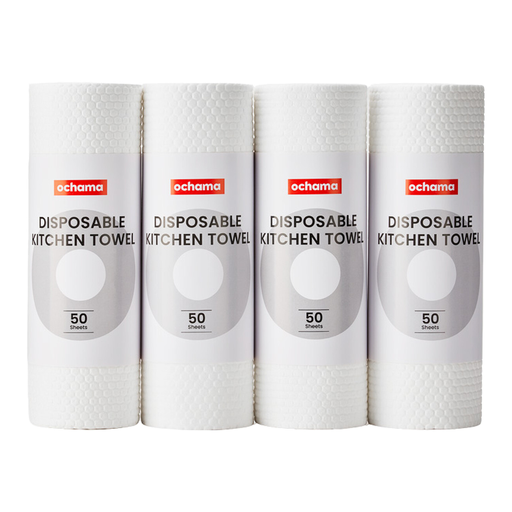
Why it suits this profile: For households that want to wipe both wet and dry surfaces and find a supply of 200 sheets practical.
The packaging states that there are 4 rolls with 50 sheets each, suitable for wet and dry applications. However, check the instructions regarding reuse and disposal.
200 sheets; thicker construction according to the product description; intended for wet and dry use.
We have compiled a complete, up-to-date list of products that fully meet these strict selection criteria and the applicable European safety regulations.
Not necessarily. Calculate the price per roll and per sheet whenever that information is available. A bulk pack can be useful for a large household, but only if you have enough dry storage space. Paper absorbs moisture and odours, so store rolls in a dry place, away from the hob or sink.
A bulk pack of kitchen roll is particularly suitable for households that use it every day. For a smaller household, a smaller pack can help limit waste and storage problems. Also compare delivery costs, as these can reduce the benefit of a low unit price.
Look at the product variant and the description of the paper structure. Products that specifically mention oil absorption or absorbent layers are a more logical choice for grease and frying residues than thin paper intended for light handprints. According to the product description, some Nalys and ochama variants are suitable for oil and water. This still depends on the amount of liquid and the surface.
Kitchen roll does not generally have a short shelf life like fresh food. However, keep it dry and follow the information on the packaging. According to the product information, the applicable shelf-life or usage details are stated on the label. Do not reuse paper that is wet or dirty.
That depends on the purchase price, washing frequency, lifespan and how much they are used. Reusable cloths can reduce the number of disposable sheets you use, but they require care and maintenance. For quick spills or tasks where hygiene and convenience are the priority, kitchen roll can still be a practical option.
