
Vandaag of morgen in huis

Kwaliteit gegarandeerd

Welkomstaanbiedingen ontgrendelen: GRATIS bezorging | Tot 80% korting | Gratis 30 dagen JoyPlus-proefperiode
Download de app
As a Joybuy Product Recommendation Officer, I see people every day struggling with the purchase of everyday items like kitchen roll. The wrong choice leads to frustration: paper that tears instantly, leaves lint behind, or simply doesn't absorb. Before you stock up on another bulk pack, it's worth considering a few common pitfalls that cost you unnecessary money.
Much of the marketing focuses on "extra-large" rolls or "super-strong" paper, but the reality is often different. The most common problems are:
By paying attention to a few key specifications, you can easily avoid these issues and choose a product that truly suits your needs.
A smart purchase starts with understanding the product specifications. Pay attention to the following three points to be confident in your choice, whether you're looking for standard kitchen paper or specialised disposable face towels.
The thickness and strength of kitchen roll are largely determined by the number of layers.
The material determines what the product is best suited for.
kitchen paper. Virgin (new) wood pulp is often stronger and more food-safe.disposable towels for the face or body. They are typically softer, lint-free, and designed to not irritate the skin.Don't be fooled by the number of rolls in a package. The real value lies in the total sheet count. A bulk pack of household paper with 8 rolls of 50 sheets (400 sheets total) can be a worse deal than a pack with 6 rolls of 75 sheets (450 sheets total). Always check the number of sheets per roll to estimate the cost per sheet. This also applies to tissues and other paper goods.
Based on objective specifications, we have selected a number of products that fit different user profiles.
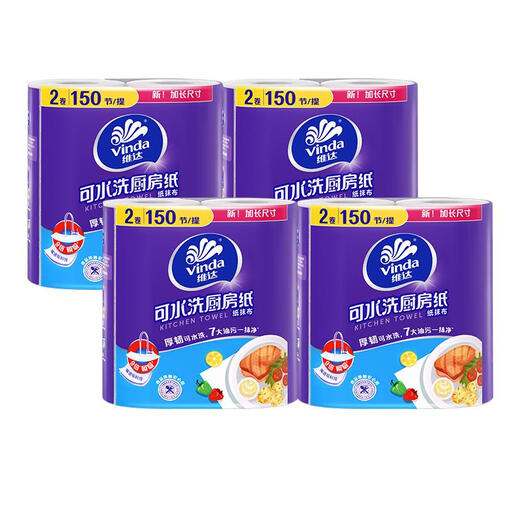
Why This Fits Their Persona: Ideal for busy households that need a reliable supply of kitchen paper for daily mishaps, from spilled drinks to cleaning countertops. A no-nonsense product that delivers on its promise.
This value pack is transparent about its contents: 8 rolls with 75 sheets each. This way, you know exactly what you're getting and avoid the pitfall of a misleading "jumbo" pack.
Large supply (600 sheets total) for long-term use. The paper is designed for high absorbency, making it efficient for cleaning up liquids.
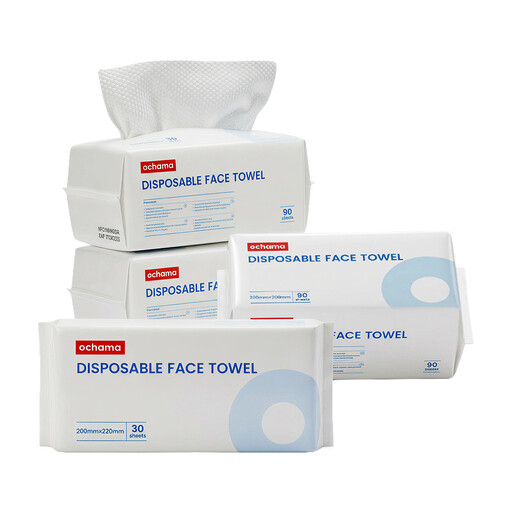
Why This Fits Their Persona: For those looking to replace a traditional face towel with a more hygienic alternative. Perfect for the daily skincare routine to prevent the build-up of bacteria.
This product is made from pure cotton, which avoids the pitfall of skin irritation from rough materials. The pearl texture is designed to be gentle on the skin while effectively cleansing.
Can be used both wet and dry for maximum versatility. The large size (200x200 mm) makes it practical for cleansing the entire face and neck.
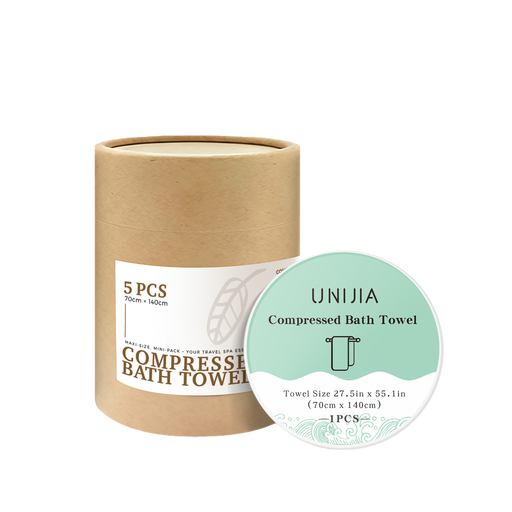
Why This Fits Their Persona: A compact and hygienic solution for anyone who is frequently on the go. Ideal as a `travel towel` for your suitcase, gym bag, or a weekend getaway, without the hassle of bringing a wet towel back home.
This product solves the problem of bulky, unhygienic towels when travelling. Instead of lugging around a heavy towel, this offers a full-sized bath towel (70x140 cm) in tablet form.
Extremely space-saving and lightweight. Made from 100% plant fibres and individually wrapped for optimal hygiene with every use.
We have compiled a complete, real-time list of products that fully satisfy these strict selection criteria and UK safety regulations.
No, it is strongly advised not to flush kitchen paper down the toilet. Unlike toilet paper, kitchen roll is designed to stay strong when wet. As a result, it does not break down in water and can cause serious blockages in the pipes. Always dispose of used kitchen paper in the bin.
The main difference lies in the material and intended use. Kitchen paper is typically made from wood pulp and designed for absorption and cleaning tasks. Disposable face towels are often made from softer materials like cotton or special plant fibres. They are intended for contact with the skin, are lint-free, and hypoallergenic to minimise irritation.
Yes, compressed disposable towels are a very hygienic option, especially when travelling or in public spaces like gyms. Because they are for single use and often individually wrapped, they prevent the risk of cross-contamination from bacteria that can grow on reusable towels.
