
Vandaag of morgen in huis

Kwaliteit gegarandeerd

Welkomstaanbiedingen ontgrendelen: GRATIS bezorging | Tot 80% korting | Gratis 30 dagen JoyPlus-proefperiode
Download de app
A roll of kitchen paper may seem like a simple product, but the differences between kitchen rolls can be significant. One roll may be useful for a small spill, while another is better suited to grease, wet dishes or intensive cleaning. If you only look at the price of a multipack, you may sometimes pay more per sheet or need to use several sheets at once.
As a Joybuy Product Recommendation Officer, I filter the most important product information down to practical points. This allows you to buy kitchen paper based on verifiable specifications rather than eye-catching marketing claims alone.
A pack containing eight rolls may look like good value, but the number of sheets per roll can vary. Always compare:
A kitchen paper multipack with fewer sheets per roll may run out faster in everyday use than a smaller pack with longer rolls.
Words such as “super-absorbent”, “extra strong” and “oil-absorbent” are not automatically uniform European measurement values. According to the product descriptions provided by the brands concerned, these terms refer to the properties they attribute to their own products. You should therefore also check the concrete details, such as 2-ply or 3-ply, the number of sheets and the paper material.
Packaging made from recycled film or paper does not automatically mean that the paper itself is recycled. Look at the distinction between:
When choosing eco-friendly kitchen paper, it is sensible to check whether the claim relates to the paper, the packaging or both. Always follow the waste-disposal instructions on the label as well.
2-ply kitchen paper consists of two layers of paper per sheet. This can be a practical choice for everyday tasks such as mopping up spilled liquids, wiping surfaces and drying dishes. A 2-ply roll often contains a relatively large number of sheets, making it suitable for regular use.
3-ply kitchen paper has three layers per sheet. This does not automatically mean that every 3-ply product performs better in every situation, but it can provide a sturdier feel. As well as the number of plies, check the sheet size and the number of sheets.
For kitchen paper used with grease and moisture, the paper structure and sheet surface are relevant. According to the product description, a product may be designed to absorb oil, retain water or clean surfaces. Such brand claims should be read as manufacturer-provided product information, not as an independent guarantee.
A few sheets are enough for a small splash of water. For oil, sauce or a wet worktop, a stronger sheet may be more practical. Do not use kitchen paper with hot oil, near naked flames or on damaged skin.
A standard kitchen roll is convenient if you want to move the roll around frequently. A maxi roll or jumbo version generally contains more paper on a single roll, meaning you need to replace it less often. However, a large roll may not fit every kitchen roll holder.
When choosing kitchen paper on a roll, consider:
Products may be made from new paper pulp, cellulose, blended cellulose or bamboo pulp, among other materials. The description “100% virgin wood pulp” means that, according to the specification, the product in question is made from new wood pulp. This is different from recycled paper.
Dispose of used kitchen paper with general waste unless local waste-disposal rules state otherwise. Do not flush it down the toilet: paper and grease can cause blockages.
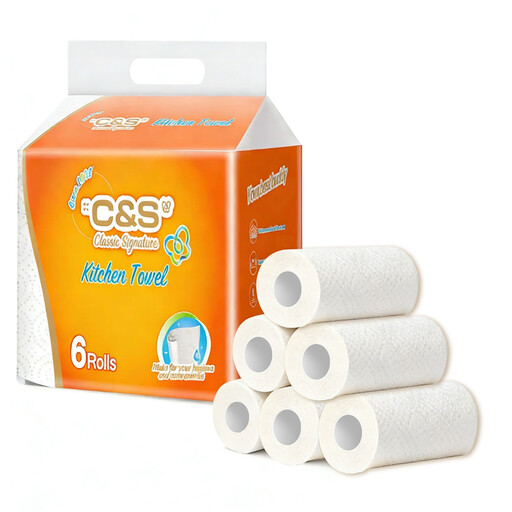
Why it suits this profile: The pack contains 6 rolls with 65 sheets each, giving 390 sheets in total. This makes the quantity clear upfront for households looking for an easy-to-manage supply.
The number of rolls and sheets is stated clearly. You therefore do not have to rely solely on the term “multipack”.
2-ply paper; 390 sheets per pack; according to the product description, intended for water, grease and general surface cleaning.
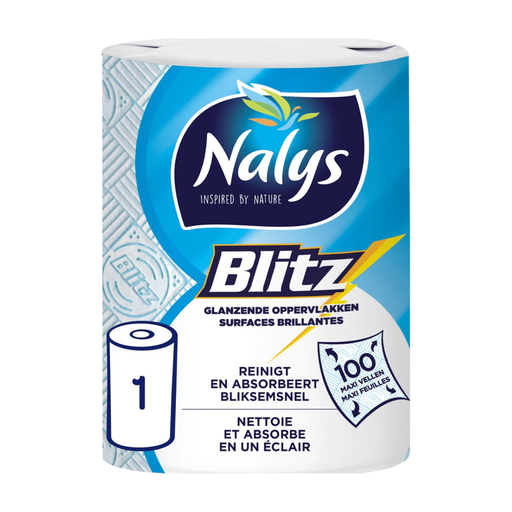
Why it suits this profile: The product description states that it is 3-ply paper with 100 extra-large sheets. This is a good fit for anyone who prefers to use a larger sheet for demanding or more extensive cleaning tasks.
The specification states both the number of plies and the extra-large sheet size. This links “strong” to visible product information.
3 plies; 100 extra-large sheets; according to the product description, suitable for heavier household tasks.
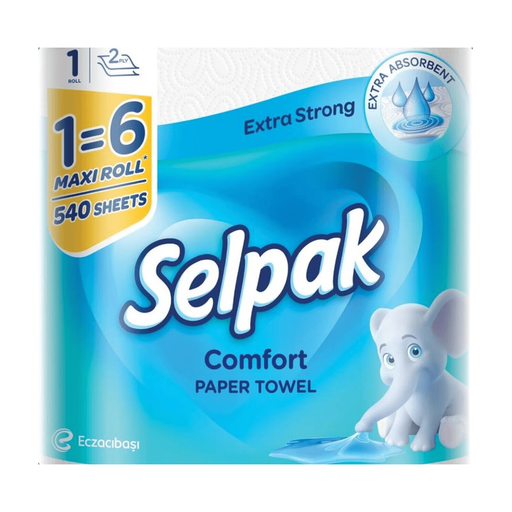
Why it suits this profile: According to the product information, this jumbo kitchen roll is equivalent to 6 standard rolls. With approximately 300 sheets on a single roll, it is designed to need replacing less often.
The roll capacity, estimated number of sheets and sheet size are stated. Do check that your holder is suitable for a jumbo size.
Approximately 300 sheets; sheet size around 260 × 228 mm; perforated and, according to the product information, suitable for contact with food.
We have put together a complete, up-to-date list of products that fully meet these strict selection criteria and the applicable European safety regulations.
Not necessarily. 3-ply paper may contain more material per sheet, but the price per sheet and how you use it determine the actual cost. Compare the number of sheets per pack and how many sheets you normally need for each task.
Store kitchen paper in a dry place, away from direct sunlight and moisture. Keeping a supply near the worktop is practical, but do not place rolls directly next to the sink or hob. For a jumbo or maxi roll, also check the dimensions of your holder.
No. Used kitchen paper should normally go in general waste. Paper absorbs moisture and grease, which can cause blockages in pipes. If in doubt, follow your local council’s waste-disposal guidance or the instructions on the packaging.
