
Vandaag of morgen in huis

Kwaliteit gegarandeerd

Welkomstaanbiedingen ontgrendelen: GRATIS bezorging | Tot 80% korting | Gratis 30 dagen JoyPlus-proefperiode
Download de app
A leaking pan, greasy hob or steamed-up mirror calls for the right material. Yet many households choose kitchen paper and cleaning cloths mainly based on a low price or eye-catching packaging. That can be disappointing: a roll runs out sooner than expected, a cloth leaves streaks behind or a reusable kitchen roll still smells damp after a few washes.
Use the following points to compare kitchen rolls, microfibre cloths and other cleaning products based on verifiable properties.
Four rolls may seem better value than two, but the number of sheets and their dimensions determine how much you actually get. Always check:
A maxi roll with lots of sheets may be more practical for everyday use, while smaller kitchen rolls are easier to store when space is limited.
Absorbent kitchen paper is useful for moisture, oil and one-off cleaning. However, a cleaning cloth may be more suitable for glass, stainless steel and smooth furniture, as paper can leave behind fluff or small residues.
Use kitchen paper mainly for:
Use microfibre cloths, viscose cloths or glass cloths for surfaces that you clean regularly.
Reusable kitchen rolls and cloths can reduce your use of disposable paper, but they must be rinsed thoroughly, dried and cleaned according to the care label. A cloth left wet in a pile is less pleasant to use the next time you clean.
Where possible, use different colours for the kitchen, bathroom and toilet. Do not automatically wash cleaning cloths together with cotton towels if they contain a lot of grease or cleaning product.
Do not look only at marketing terms such as “extra absorbent”. Also check the number of layers and the materials used. 2-ply kitchen paper offers a practical middle ground for everyday use. 3-ply kitchen paper may provide more texture and strength, but the roll may seem to run out faster or cost more as a result.
For cloths, thickness, weave structure and material all play a part. Microfibre is usually made from polyester and polyamide. According to the 5Five product description, the cloths are intended for dry use against dust and damp use against dirt and grease. This makes them suitable for smooth surfaces, but always follow the care instructions.
A 30 × 30 cm cloth is compact enough for the worktop and easy to store. A larger size is useful for tables, floors or larger surfaces, but may be more difficult to rinse out.
When buying, pay attention to the balance between size and number of pieces. A set of ten microfibre cloths can be useful if you want to use a separate cloth in each room. A set of three viscose cloths is more suitable for a household that wants to rinse and reuse them regularly.
The right choice depends on the task:
Washable cloths must be able to dry completely. For microfibre, also check whether fabric softener and bleach are not recommended; with some products, these substances can affect how the fibres perform.
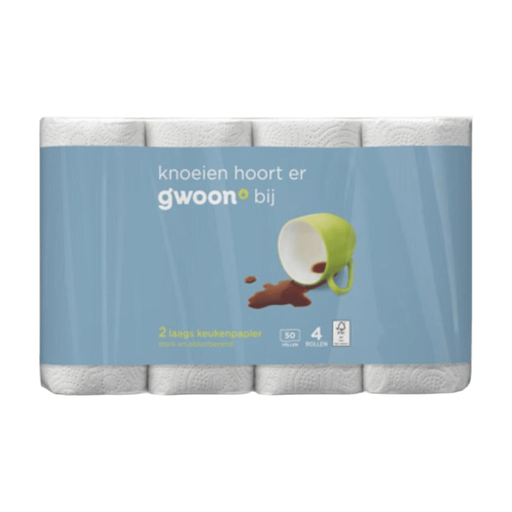
Why it suits this profile: Four 2-ply kitchen rolls provide a simple supply for cooking, drying your hands and dealing with minor mishaps around the home.
The number of rolls and the 2-ply construction are clearly stated in the product details, so you do not have to rely solely on a claim on the packaging.
Set of 4 rolls; 2-ply paper; intended for everyday use in the kitchen and around the home.
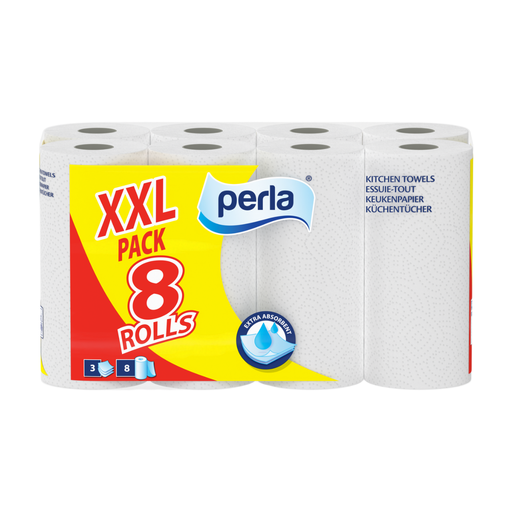
Why it suits this profile: If you cook more often and need a larger supply, a pack with eight rolls and three layers may be worth considering.
The product information states both the number of rolls and the three layers. Also compare the price per roll before ordering.
8 rolls; 3-ply construction; focused on absorbency and everyday convenience according to the product description.
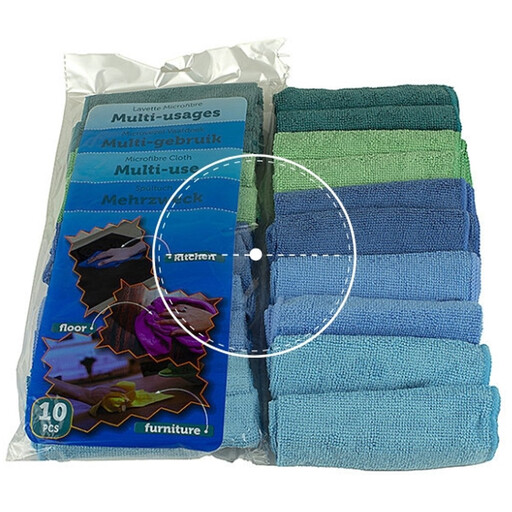
Why it suits this profile: This set is suitable for households that want to clean the kitchen, floors, furniture and other rooms using separate cloths.
The different colours help you keep cloths for each room separate. Wash them according to the label and leave them to dry after use.
10 microfibre cloths; 30 × 30 cm size; washable and reusable according to the product details.
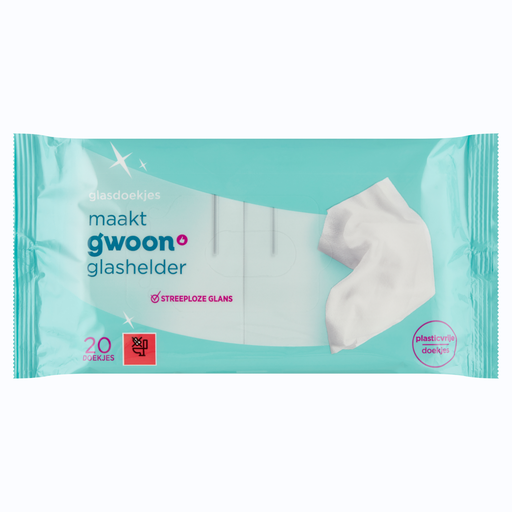
Why it suits this profile: For windows, mirrors and other glass surfaces, a specialist cloth makes more sense than kitchen paper.
The instructions recommend removing coarse dirt and dust first, then working from top to bottom. This helps reduce streaks caused by loose dirt.
20 glass cloths; designed for cleaning glass; usage instructions are provided with the product.
We have compiled a complete, up-to-date list of products that fully meet these strict selection criteria and the applicable European safety regulations.
A practical supply often consists of several product types:
When making a larger purchase, consider your total stock, storage space and how you wash the cloths. An inexpensive set is not automatically good value if you waste a lot of material or need to replace the cloths quickly.
That depends on how you use and care for them. Kitchen paper does not need washing and is suitable for one-off messes. Reusable kitchen rolls can be used for longer with regular washing, but they consume water, detergent and energy. Compare the price per sheet with the expected usable life.
First remove coarse dust and dirt. Then use a clean, not overly wet glass cloth and work from top to bottom. A cloth that already contains grease or dust can create new smears. Where practical, wash glass cloths separately from heavily soiled cleaning cloths.
There is no fixed lifespan for all cleaning cloths. It depends on the material, how often they are used, the temperature and how they are cared for. Check for signs of wear, persistent odours, fraying and reduced absorbency. Replace a cloth when rinsing and washing are no longer enough to keep it usable.
