
Vandaag of morgen in huis

Kwaliteit gegarandeerd

Welkomstaanbiedingen ontgrendelen: GRATIS bezorging | Tot 80% korting | Gratis 30 dagen JoyPlus-proefperiode
Download de app
A sheet of kitchen paper might seem simple, but the differences between kitchen rolls become obvious when you’ve knocked over a glass, have a greasy baking dish, or a wet worktop. A cheap roll can tear easily, absorb very little, or end up costing you more sheets per clean-up. That means a low price per pack isn’t automatically good value.
The most common buying mistakes are usually:
Below, you’ll find out which features really matter and which type of kitchen paper suits different households.
Kitchen paper is most commonly available as 2-ply kitchen paper and 3-ply kitchen paper. Two plies offer a practical balance for everyday use, such as drying hands, wiping up crumbs and soaking up spills. Three plies can be better suited to heavier cleaning tasks, because there’s more paper structure in each sheet.
Don’t just rely on the description “strong kitchen paper”. Also check whether the product information mentions:
With absorbent kitchen paper, the structure is particularly important. According to the product descriptions of some brands, an embossed texture can help absorb moisture or grease. Treat this as a product specification or brand claim, not a universal guarantee for every use.
A pack with lots of rolls isn’t necessarily better value. Compare the total number of sheets and, if that information is available, the size of each sheet too.
The C&S Kitchen Rolls, for example, contain 6 rolls with 65 sheets each, making 390 sheets in total. It’s a 2-ply paper made from 100% virgin wood pulp, according to the product information. That makes this pack a straightforward choice for households that use kitchen paper regularly.
A double or maxi roll can save storage space, but pay attention to what labels like “1=3” or “2=4” actually mean. These usually refer to a comparison with standard rolls as defined by the manufacturer. So always check the actual number of sheets and the sheet size.
Kitchen paper is often made from cellulose or wood pulp. Some products use bamboo pulp. With BABO, the product description mentions 100% bamboo pulp, along with compostable and biodegradable properties. Always check the instructions on the packaging and your local council’s rules for compostable kitchen paper. Compostable doesn’t automatically mean it belongs in every UK waste stream.
Do not use kitchen paper in the toilet. Dispose of used sheets according to your local waste rules. Also, do not use standard kitchen paper with hot oil, open flames, or directly on damaged skin. Store kitchen paper in a dry place, away from direct sunlight and out of the reach of small children because of the plastic packaging.
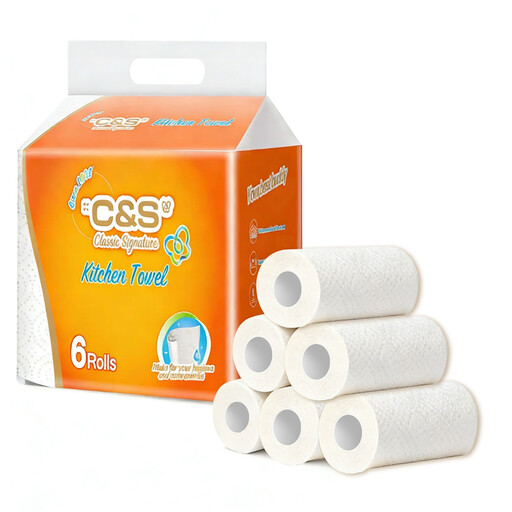
Why it fits the profile: The pack contains 6 rolls and 390 sheets in total. That makes the quantity clear upfront for everyday use in a flat or smaller household.
You’re not just comparing the number of rolls: the product information also states 65 sheets per roll and 2 plies per sheet.
390 sheets per pack; 2-ply paper; according to the product description, suitable for oil, water, crockery and surfaces.
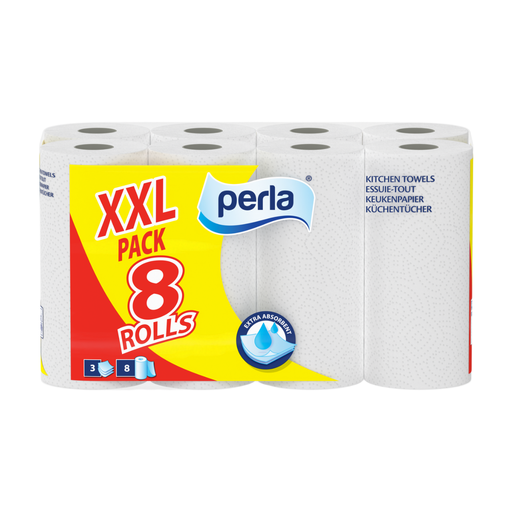
Why it fits the profile: For households that value an extra layer and a larger pack when cleaning.
The number of plies is clearly stated: 3-ply paper rather than just a general claim about softness or strength.
8 rolls; 3 plies; according to the product description, designed for absorbency and everyday use.
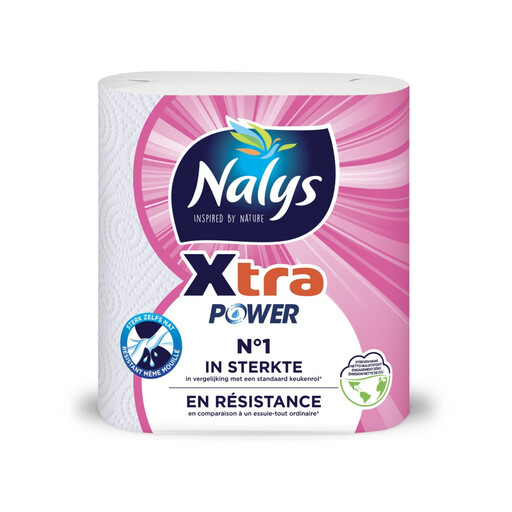
Why it fits the profile: Handy for cooking enthusiasts and households that also use kitchen paper for more intensive wet cleaning tasks.
According to the product description, the paper stays strong even when wet and doesn’t fray as easily. That’s more relevant than just the term “extra strong”.
Suitable for dry and wet use according to the product information; 2 rolls per pack.
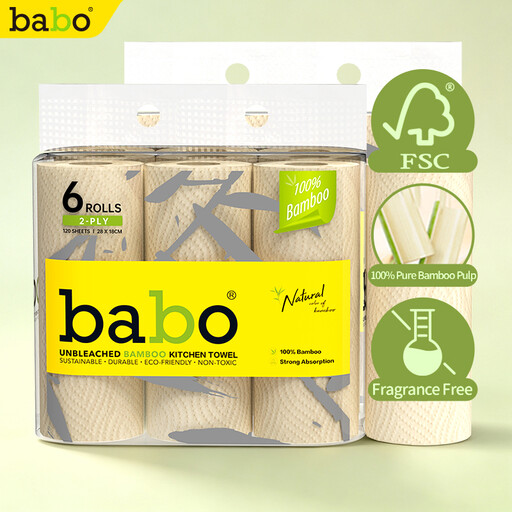
Why it fits the profile: An option for anyone wanting to consider bamboo pulp and an alternative to traditional wood pulp.
The product description states 2 plies, 120 sheets per roll and 12 rolls per carton. Check the compostability information on the packaging before disposal.
Bamboo pulp according to the product information; 120 sheets per roll; described as compostable and biodegradable.
We’ve put together a full, up-to-date list of products that fully meet these strict selection criteria and comply with current European safety regulations.
Look at the product description and search for terms like oil-absorbent, water retention or a structure suitable for wet use. C&S, for example, mentions oil absorption and moisture retention in its product information. Standard kitchen paper is not intended for hot oil or use near open flames.
Not automatically. Three plies can offer more strength per sheet, but the price per sheet also depends on the number of sheets, the sheet size and the number of rolls. Divide the price of the pack by the total number of sheets to compare products more fairly.
Store kitchen rolls in a dry cupboard, away from direct sunlight, moisture and heat sources. A large pack or jumbo kitchen roll can be practical, but make sure you have enough dry storage space. Use a kitchen roll holder away from the hob, so the paper doesn’t come into contact with hot surfaces or flames.
