
Vandaag of morgen in huis

Kwaliteit gegarandeerd

Welkomstaanbiedingen ontgrendelen: GRATIS bezorging | Tot 80% korting | Gratis 30 dagen JoyPlus-proefperiode
Download de app
Kitchen paper is useful for far more than just mopping up a spilled drink. You can soak up oil with it, wipe down worktops, dry your hands, and even use it while cooking. Yet the choice in the shop often seems simpler than it really is. A cheap pack might contain very few sheets, while a large roll isn't automatically better value.
When choosing kitchen paper, don't just focus on the price or words like "extra strong". Instead, check the details on number of sheets, number of plies, sheet size, material and packaging. That way, you can avoid paying a lot for a roll that tears easily or doesn't absorb much moisture.
A pack of four kitchen rolls might look cheap, but the number of sheets per roll can vary a lot. So compare the price per roll and the total number of sheets. With a maxi or jumbo kitchen roll, you also need to check what the manufacturer is comparing it to. A claim like "1=3" or "1=6" is a brand product claim and doesn't mean each roll contains exactly the same amount of paper as three or six standard rolls.
More plies can add to strength, but they don't tell you everything about absorbency. The paper's structure, the sheet size and the way the plies are bonded together also matter. So look at the full product description. A 2-ply kitchen paper can be fine for everyday use, while a 3-ply version might make more sense for greasy, wet surfaces or heavy-duty cleaning.
Terms like bamboo, recycled, compostable and biodegradable only have value if they are clearly explained on the packaging or in the product information. "Paper packaging", for example, doesn't automatically mean the paper itself is recycled. Also check whether the product is intended for single use and dispose of used kitchen paper according to local waste rules. Do not flush kitchen paper down the toilet.
The number of plies is usually shown as 2-ply or 3-ply. Two plies are practical for drying hands, small spills and light cleaning. Three plies can offer more strength for wet or greasy tasks, but the number of plies alone doesn't guarantee lower usage.
An embossed structure or absorbent core can help hold liquid. Check whether the product description gives concrete information about use. With brand claims like "extra absorbent" or "stays strong when wet", rely on the manufacturer's information and your own experience.
A kitchen roll with lots of sheets isn't always better value if the sheets are small. Pay attention to the sheet size and the number of perforations. Extra-large sheets are handy for oil or larger amounts of liquid, but can lead to unnecessary waste on small cleaning jobs.
A roll with smaller, easy-to-tear sheets can actually help you use the right amount for each task. With a maxi roll, available space also matters: check that the roll fits in your holder and can be stored dry.
If you pay attention to material, you can choose from cellulose, recycled paper and bamboo pulp. Bamboo kitchen paper is sometimes described as compostable or biodegradable in product descriptions. Always check the packaging and local waste information before relying on such claims.
Also look at the packaging around the rolls. A product with recycled film or paper packaging can appeal to shoppers who want to buy less new plastic, but also consider the total number of rolls and how long the stock will last. Store kitchen paper in a dry cupboard, as moisture can damage the paper structure.
The choices below are based on stated product specifications, such as number of rolls, plies, sheets, size and described use. Claims about absorbency or strength are shown as product information from the brand or seller.
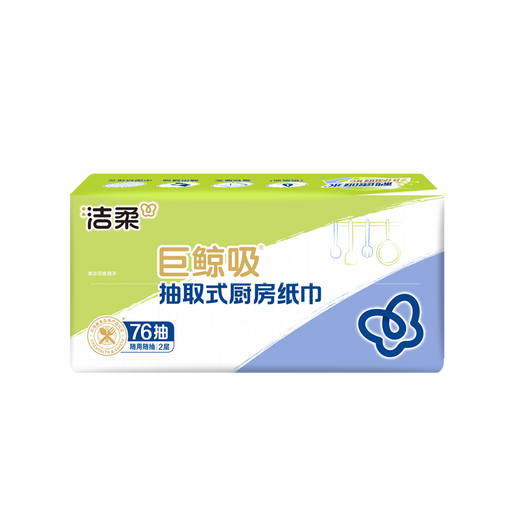
Why this fits the profile: This pack contains four bags, each with 75 sheets of 2-ply kitchen paper. That makes it a straightforward choice for everyday use in a smaller household or as a stock-up option.
The number of plies, sheets and bags is clearly stated in the product name, making it easier to compare stock levels.
2 plies; 75 sheets per bag; four bags per pack.
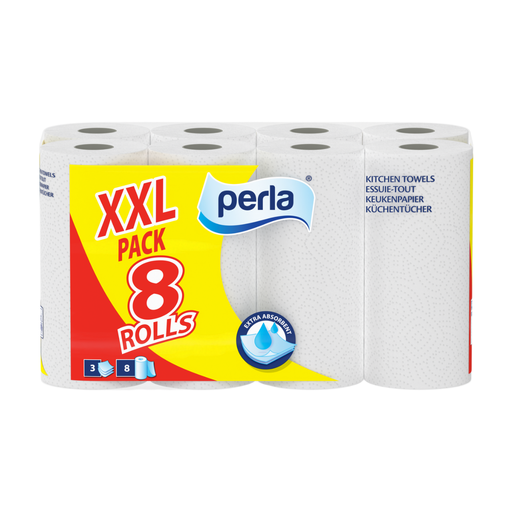
Why this fits the profile: According to the product description, this kitchen roll has three plies and includes eight rolls. That suits households that cook regularly and want to build up a stock.
The ply thickness and pack size are clearly stated, so you don't have to rely on a general claim about absorbency alone.
3 plies; eight rolls; suitable for a larger stock.
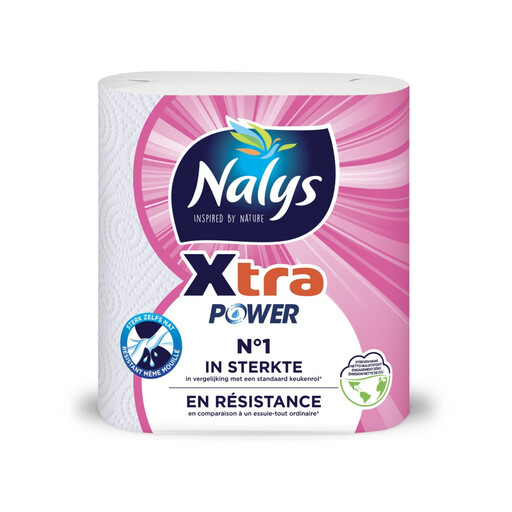
Why this fits the profile: According to the product description, this paper is designed for multiple uses and, the manufacturer says, stays strong when wet. That makes it suitable for cleaning with water or soaking up oil.
The manufacturer specifies use on wet surfaces and reduced linting. Do check the full packaging and usage instructions before buying.
2 rolls; designed for wet and dry use; described as absorbent and tear-resistant.
We've put together a full, up-to-date list of products that fully meet these strict selection criteria and comply with current European safety regulations.
For small spills, drying hands and light cleaning, 2-ply kitchen paper is often practical. For larger amounts of water or oil, a thicker or larger sheet may be more convenient. Look beyond the number of plies and also consider sheet size and the product description.
Kitchen paper generally doesn't have a short shelf life, but it must be stored dry and clean. Always check the expiry, usage or storage information on the packaging. A damp or damaged roll is less practical to use.
That depends on the number of sheets, the sheet size and the price. Work out the cost per hundred sheets and check whether your holder can take a large roll. A jumbo kitchen roll may reduce how often you need to replace it, but it isn't the most practical solution for every kitchen.
