
Vandaag of morgen in huis

Kwaliteit gegarandeerd

Welkomstaanbiedingen ontgrendelen: GRATIS bezorging | Tot 80% korting | Gratis 30 dagen JoyPlus-proefperiode
Download de app
Kitchen paper seems like a simple purchase, but the shelves are packed with rolls making all sorts of promises. From "extra strong" to "super absorbent," you're bombarded with marketing terms. Yet, many households end up with a kitchen roll that disintegrates at the slightest spill or a "value pack" that runs out faster than expected. Before you make another regrettable buy, it's helpful to know what to look for.
Common pitfalls are easy to spot once you know what to look for:
To avoid these problems, you can focus on a few concrete product features. These specifications provide a more objective measure of quality than the marketing claims on the packaging.
The number of paper layers (ply) is a key indicator of strength and absorbency.
In addition to the ply count, the paper's texture has an impact. Some rolls have an embossed pattern or "pads" that help lock in moisture more effectively. This is a hallmark of high-quality absorbent kitchen paper.
Don't be fooled by the size of the packaging. A bulk pack of kitchen paper is only a true value if you consider the total amount of paper.
Most household paper is made from cellulose, which provides a good balance of softness and strength. Some brands specify that their paper is suitable for contact with food. This is useful if you use the paper to drain bacon or pat vegetables dry, for example.
Based on these objective criteria, we have highlighted several products that suit different needs and households.
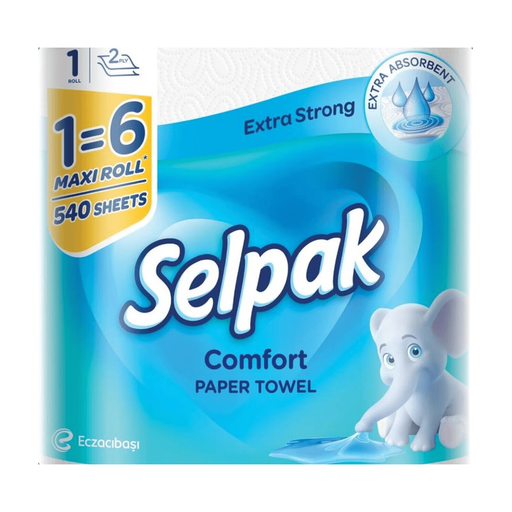
Why This Fits Their Persona: Ideal for busy households where spills are common. This roll is designed for maximum efficiency: replace it less often and it's powerful enough for tougher cleaning jobs.
This is a true jumbo kitchen roll. The "1=6" claim clearly indicates its value compared to standard rolls, so you won't face any surprises.
Extra strong and highly absorbent, suitable for contact with food. Contains approximately 300 sheets per roll.
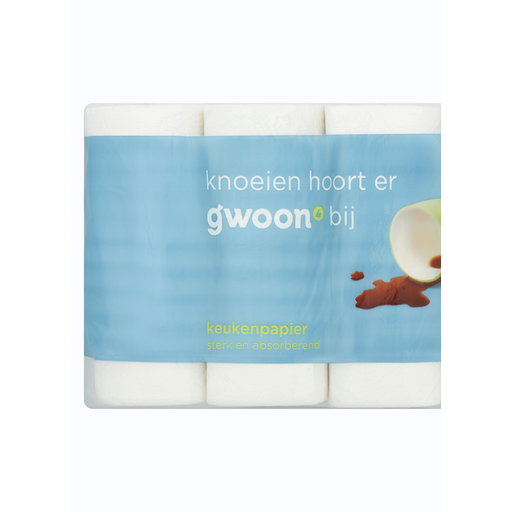
Why This Fits Their Persona: For those looking for a reliable all-rounder for daily use. No frills, just a solid roll that does what it's supposed to do for a reasonable price.
With its 3-ply specification, this product avoids the trap of thin, tear-prone paper. You'll need fewer sheets, making it more economical to use than cheaper, thinner alternatives.
A clear quality specification (3-ply) and a good balance of strength and absorbency for everyday tasks.
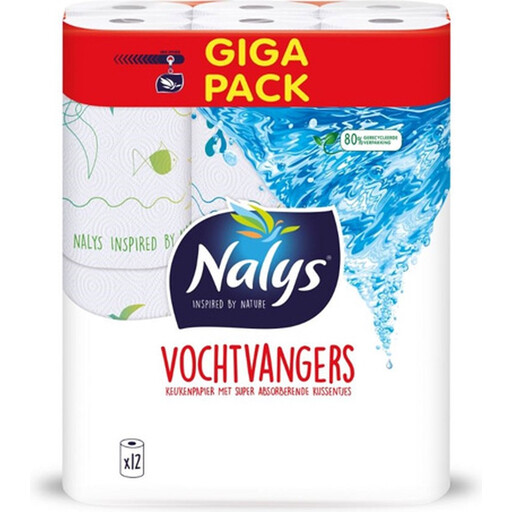
Why This Fits Their Persona: Anyone who likes to stock up and keep an eye on the cost per roll will find this a great option. A bulk pack of kitchen paper designed to absorb moisture efficiently.
This product focuses on functionality. According to the manufacturer, its unique texture allows you to clean with a minimum number of sheets, thus avoiding the trap of unnecessary consumption.
Bulk pack of 12 rolls for a long-lasting supply. Furthermore, the packaging is made from 80% recycled plastic.
We have compiled a complete, up-to-date list of products that fully meet these strict selection criteria and Dutch regulations.
The main difference is thickness and strength. 3-ply paper consists of three layers, which typically makes it stronger and more absorbent than the 2-ply version. As a result, you often need fewer sheets for the same job, which can make it more economical in the long run.
Usually, yes, but it's important to check what the manufacturer defines as "jumbo." A true jumbo kitchen roll contains significantly more sheets (or meters of paper) than a standard roll. Compare the price per sheet or per 100 sheets to determine the actual value, rather than just looking at the price per roll.
Much of the kitchen paper available is safe for direct contact with food, but not all of it. If you plan to use the paper to pat or wrap food items, check the packaging for a "food-safe" logo (often a glass-and-fork symbol) or an explicit statement from the manufacturer. For example, the Selpak Jumbo roll mentioned above is suitable for contact with food.
