
Vandaag of morgen in huis

Kwaliteit gegarandeerd

Welkomstaanbiedingen ontgrendelen: GRATIS bezorging | Tot 80% korting | Gratis 30 dagen JoyPlus-proefperiode
Download de app
A kitchen mixer can come in handy for cake batter, bread dough, whipped cream, sauces and smoothies. However, not every type of mixer is suited to the same tasks. A compact hand mixer takes up very little space, while a stand mixer is a better choice if you bake regularly or make larger quantities. A blender or hand blender, meanwhile, is designed for puréeing, chopping and liquid preparations.
The product name doesn’t tell you everything. Before buying an electric mixer, look out for these common pitfalls.
A higher wattage doesn’t automatically mean a mixer is suitable for every type of dough. Also check the maximum operating time, recommended quantity and type of drive. A stand mixer for bread dough has different requirements from a hand mixer for cake batter.
Some models list overheat protection. This is useful, but you should still use the appliance according to the instructions. For example, the Honinst 6.5QT mixer states that heavy yeast dough should not be mixed for more than 10 minutes at a time, followed by a cooling period.
A 5 or 6-litre bowl sounds spacious, but you may not be able to fill it to the brim. The quantity depends on the recipe and the density of the mixture. For bread dough, the maximum dough capacity matters more than the bowl’s total volume.
A mixer with a bowl also takes up a fixed amount of space on your worktop. Measure the available width, depth and height beforehand, including the room needed to open the tilting head.
A whisk is designed for light, airy mixtures, a flat beater for batters and a dough hook for kneading. A blender jug, chopper or hand blender can make an appliance more versatile, but only if you’ll actually use those accessories.
Also check whether the parts are removable and dishwasher-safe. For some metal attachments, the manufacturer recommends hand-washing to help prevent discolouration or oxidation.
For a hand mixer used for cakes, whipped cream and light preparations, several speeds and a turbo setting are often useful. For example, the Philips 5000 Series HR3781/10 has 500 W, five speeds and a turbo function. The Russell Hobbs Desire Hand Mixer has five speeds, a pulse function and a stated power rating of 185 W, with a peak power of 350 W.
For a stand mixer, look beyond the wattage and consider how the motor handles heavy dough. A stand mixer with a dough hook and low speeds is designed for kneading, but always check the recommended maximum quantity.
A stainless steel bowl is practical for everyday use and easy to wipe clean. Look out for:
Choose a food mixer or dough mixer if you mainly make bread, pizza, biscuits and cake batter. A blender is a better choice for smoothies, soup, ice and liquid sauces. A hand blender works directly in a pan or measuring jug and takes up very little storage space.
A multifunctional mixer may combine a whisk, chopper or blender jug. Check whether the accessories are included as standard and whether replacement parts are available. Only use attachments approved for the model according to the product information.
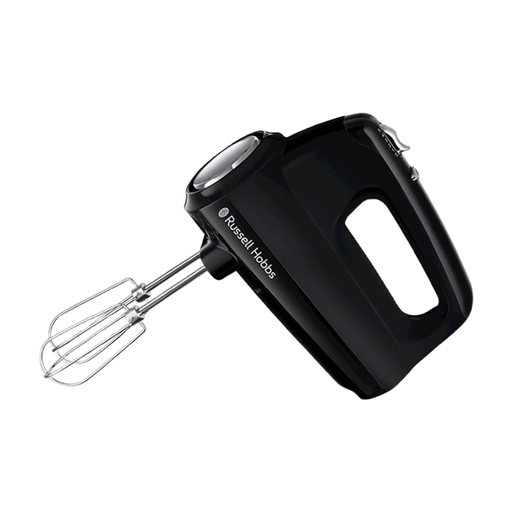
Why it suits this profile: This compact hand mixer is suitable for cake batter, whipped cream and light everyday preparations. It weighs 1 kg, making it easy to store.
The five speeds and pulse function give you more control than a model with just an on/off setting. The attachments can be removed for cleaning.
Stated power of 185 W, five speeds, pulse function and removable parts that are dishwasher-safe according to the product information.
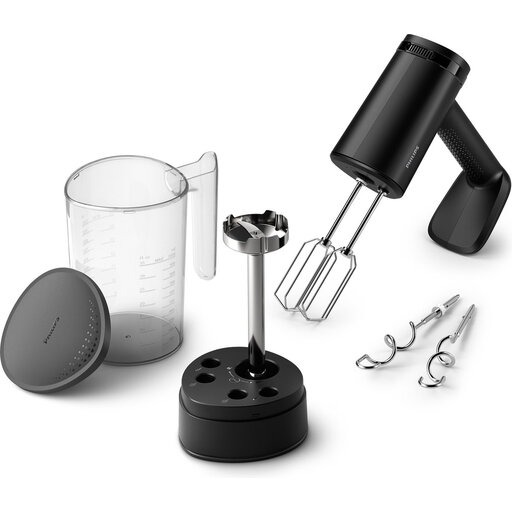
Why it suits this profile: A handy choice for households looking to combine a hand mixer and a simple blending function in one appliance.
The Soft Start function is designed to bring the mixer up to speed gradually. Its long design and splash-reducing shape can help cut down on cleaning.
500 W, five speeds, turbo setting, blender attachment and a 1-litre storage cup.
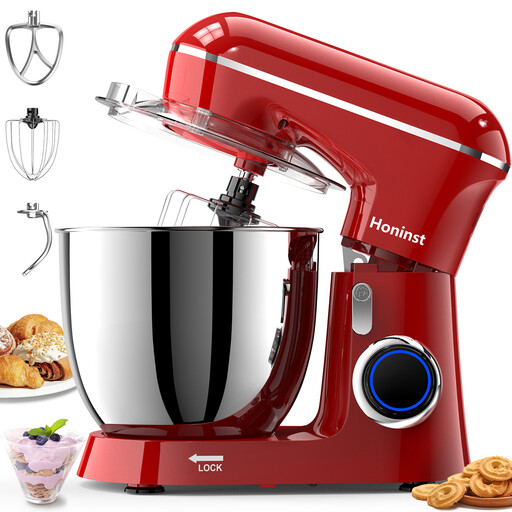
Why it suits this profile: This stand mixer is designed for home bakers who regularly prepare dough, batter and cream, while keeping both hands free.
The 6.5QT bowl, splash guard and non-slip suction feet are suited to larger batches. It’s still important to observe the stated maximum operating time for heavy dough.
Ten speeds, tilting head, stainless steel bowl and three included attachments: dough hook, whisk and beater.
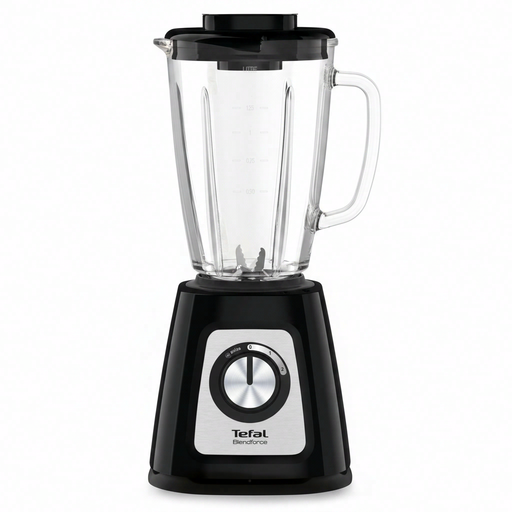
Why it suits this profile: A good choice for families who mainly make smoothies, cold drinks, soups and puréed sauces.
The glass jug has a capacity of 1.25 litres, and the safety lock prevents the blender from operating if the jug isn’t fitted correctly.
800 W, two speeds, pulse and ice-crushing functions, stainless steel blades and dishwasher-safe parts according to the product information.
We’ve put together a complete, up-to-date list of products that meet these strict selection criteria and the applicable European safety regulations.
For many of the products mentioned, the statutory warranty in the EU is at least two years. Always check the terms and conditions for the specific offer and seller.
A stand mixer can be useful for bread dough because the dough hook does the work while the bowl stays in place. Pay particular attention to the recommended maximum dough quantity, operating time and whether the mixer has overheat protection. A hand mixer may be enough for occasional, light dough.
It depends on what you’ll use it for. For batter and whipped cream, several speeds and a suitable whisk are often more important than wattage alone. For heavy dough, consider the stated power alongside information about the dough hook, maximum load and recommended breaks during use.
Energy use depends on the power rating and how long you use the mixer. A 500 W appliance running for 10 minutes theoretically uses about 0.083 kWh. Actual consumption may be lower if the motor isn’t running continuously at full power. So, as well as the purchase price, consider operating time, maintenance and replaceable accessories.
