
Vandaag of morgen in huis

Kwaliteit gegarandeerd

Welkomstaanbiedingen ontgrendelen: GRATIS bezorging | Tot 80% korting | Gratis 30 dagen JoyPlus-proefperiode
Download de app
A kitchen mixer can save you plenty of time when baking, cooking and making smoothies. But it’s not always clear which appliance you need. A stand mixer is handy for dough, while a hand mixer takes up less space. A hand blender is better suited to soups, baby food and sauces. A blender is mainly designed for liquid mixtures.
Many disappointing purchases happen because buyers look only at the wattage or the number of accessories. Read on to find out which specifications really matter and which kitchen mixers suit different households.
An electric mixer with a high wattage may seem powerful, but wattage doesn’t tell you how efficiently the motor, drive system and accessories work together. A stand mixer for heavy bread dough, for example, also needs a stable body and a good drive system.
So look at the following together:
According to product information from various manufacturers, a mixer may have a limited continuous operating time when handling heavy dough. Always check the manual before using a dough mixer for an extended period.
A 5 or 6-litre bowl sounds spacious, but you can’t always fill it to the brim. Rising dough and light mixtures need extra room to prevent splashing and overflowing. Check the mixer’s dimensions too. A large mixer with a bowl may be impractical on a small kitchen worktop.
A mixer with accessories may look appealing, but check whether the attachments suit the recipes you make. A dough hook, whisk and beater are usually enough for a stand mixer. With a hand blender, a mini chopper, measuring beaker and whisk can be useful additions.
Also check:
A stand mixer or food mixer with a bowl is particularly suitable for bread, pizza, cake batter and larger quantities. It works on its own, leaving you free to prepare other ingredients while it mixes.
A hand mixer takes up less space and is practical for whipping cream, mixing batter and making light doughs. A model with an automatically rotating bowl can help if you want to keep both hands free.
A hand blender is suitable for soup, sauces, mash, baby food and small quantities. Choose a set with a mini chopper or whisk if you want to do more than purée.
A blender has a jug and is designed for smoothies, milkshakes and liquid mixtures. Check the capacity, the jug material and whether it has a locking lid.
For household use, standard EU consumer rights also apply. The product information for the appliances below generally states a minimum statutory warranty of two years. Keep your proof of purchase and follow the manufacturer’s safety instructions.
Several speeds are useful in a mixer for baking. A low setting helps prevent splashing and is suitable for mixing. A higher setting is useful for whisking or making light, airy batter. A pulse function can come in handy for short bursts of powerful mixing.
Always compare the power with the intended use. A 500 to 800-watt hand blender is designed for different tasks from a stand mixer that needs to knead dough. Manufacturer claims about speed or mixing results come from the brand itself, so treat them as product information rather than a universal guarantee for every recipe.
A stainless-steel bowl is practical for everyday use and makes it easy to check for damage. Blender jugs are available in glass, Tritan and other plastics, each with its own weight and care requirements. Check whether the material is stated to be BPA-free if that matters to you.
Look for a non-slip base, suction cups, a splash guard and overheating protection. With a hand blender, a securely attached foot and a reliable locking mechanism are important. The blades are sharp: always unplug the appliance before changing or cleaning attachments.

Why it suits this user profile: This hand mixer has a 450-watt motor, six speeds and a 3-litre bowl. It’s a good fit for beginners who mainly make cake batter, whipped cream and light doughs.
The specifications list the power, bowl capacity and accessories, so you don’t have to compare mixers on wattage alone.
Automatically rotating bowl, six speeds, two beaters and two dough hooks.
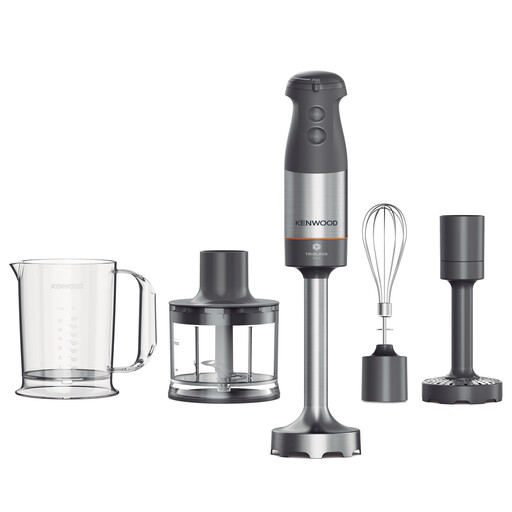
Why it suits this user profile: The set combines a 1000-watt motor with a whisk, measuring beaker, mini chopper and masher. It’s a practical choice if you want one compact appliance for a range of recipes.
The accessories are clearly listed, so you can check whether they suit your recipes before buying, rather than relying on a general claim about versatility.
1000 watts, XL blending foot and dishwasher-safe attachments according to the product information.

Why it suits this user profile: The 6-litre stainless-steel bowl, six speeds and pulse function are designed for larger batches of bread, pizza, cake and pastries.
The manufacturer specifies a maximum continuous operating time of six minutes. This makes the limit clear when working with heavy dough.
450 watts, metal gears according to the product description, four suction cups and overheating protection.
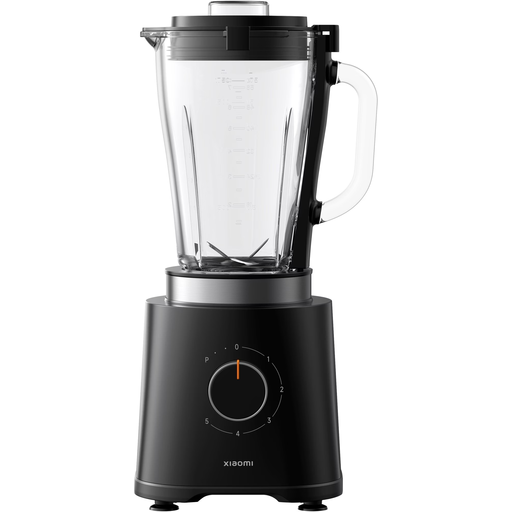
Why it suits this user profile: The blender has a 1.75-litre glass jug, five speeds and a pulse function. This lets you make larger batches of smoothies, shakes and sauces.
The jug capacity and material are clearly specified. This means you can factor in the space required and the weight of a glass jug before buying.
600 watts, six stainless-steel blades, a safety lid and an automatic cleaning function according to the product information.
We’ve put together a complete, up-to-date list of products that meet these strict selection criteria and the applicable European safety regulations.
It depends on how you’ll use it. A 450 to 500-watt hand mixer may be enough for whipping cream, cake batter and light mixing tasks. For heavy bread dough, stability, the drive system and the permitted operating time are just as important as power. Always compare several specifications together.
A stand mixer sits on the worktop and usually comes with a fixed bowl. It’s handy for regular baking and larger quantities. A hand mixer is lighter, easier to store and suitable for smaller batches. Some hand mixers come with a rotating bowl, which means less work by hand.
Its lifespan depends on how often and how heavily you use it, as well as how well you maintain it. Don’t use a mixer for longer than the manufacturer recommends. Let the motor cool down after heavy use and clean the accessories according to the manual. Before buying, also check the statutory warranty, available servicing and whether spare parts are available.
