
Vandaag of morgen in huis

Kwaliteit gegarandeerd

Welkomstaanbiedingen ontgrendelen: GRATIS bezorging | Tot 80% korting | Gratis 30 dagen JoyPlus-proefperiode
Download de app
A kitchen mixer can whisk batter, knead dough and combine ingredients. But not every electric mixer is suited to the same tasks. A compact hand mixer is handy for cake batter, while a stand mixer makes it easier to work with larger quantities or heavy dough.
The product name doesn’t tell you everything. A high wattage, for example, doesn’t automatically mean a mixer can handle heavy dough for long periods. A long list of accessories can also be misleading if you’re unlikely to use them. Keep these points in mind to avoid buying a mixer that ends up unused in a kitchen cupboard after a few months.
The wattage tells you about electrical power, but not directly about mixing performance, durability or maximum running time. A 500 W hand mixer may be suitable for batter and the occasional batch of dough, but it won’t work in the same way as a stand mixer with a large bowl and its own drive system.
So, also consider:
A mixer with a 6.5 QT bowl looks spacious, but you can’t always fill it to the brim. With yeast dough, too large a quantity can put strain on the appliance or stop the ingredients from mixing properly. Always check the instructions and maximum quantities.
A stand mixer is especially practical if you bake regularly and want to keep your hands free. For smaller portions, a hand mixer may take up less space and be easier to store.
A mixer with a whisk, beaters and dough hooks is more versatile, but check how the parts should be cleaned and stored. Parts that aren’t dishwasher-safe need more care. Some cast accessories may need to be washed by hand to prevent discolouration or oxidation.
Also check that the parts click securely into place and that the motor housing must not be immersed in water. This applies to almost every electric mixer.
A hand mixer is suitable for whipped cream, egg whites, cake batter and smaller quantities of dough. You can choose where to mix, but you’ll need to hold the appliance while it’s in use. A stand mixer stays on the worktop and uses its own bowl to mix larger quantities. It’s practical for bread, pizza, biscuits and regular baking.
A food processor with a mixer or a multifunction mixer may offer extra functions, such as blending, chopping or puréeing. Check that these functions really suit the recipes you make. A stick blender with a whisk attachment, for example, can be handy for soup, sauces and smoothies, but it’s no full substitute for a stand mixer when making heavy bread dough.
Choose a mixer with several speeds if you want to mix gently as well as knead more vigorously. A mixer with a turbo function provides a short burst of extra speed, but use it as directed in the manual. A soft-start function helps reduce splashing when you start mixing.
For a baking mixer, the combination of speed settings, accessories and running time is particularly important. When working with heavy dough, check whether you need to take breaks between mixing cycles. The Honinst product description, for example, says that heavy yeast dough should not be kneaded continuously for longer than the recommended period, and that the motor should be allowed to cool in between.
A mixer with dough hooks is useful for bread and pizza dough. A mixer with a whisk is ideal for whipped cream, egg whites and light, airy batters. A flat beater or mixing attachment is designed for cake batter, biscuit dough and other medium-heavy mixtures.
Before buying, check:
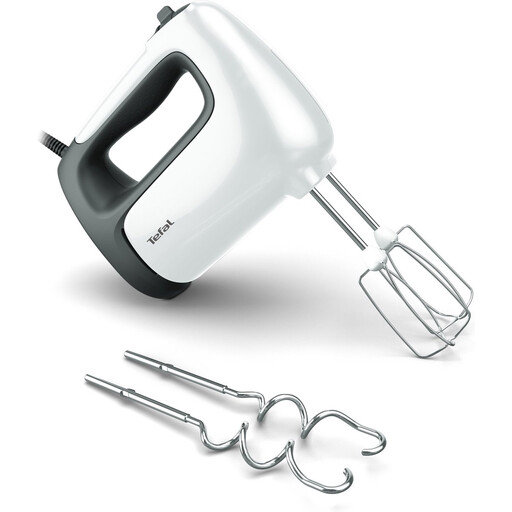
Why it suits this profile: This hand mixer is designed for everyday baking, with five speeds, a turbo function, beaters and dough hooks. Its compact size is ideal for smaller kitchens and limited storage space.
The product information covers more than just the wattage, listing five speeds, soft start and specific accessories for light and heavier mixing tasks.
500 W according to the product name, five speeds, a turbo function and dishwasher-safe accessories according to the product information.
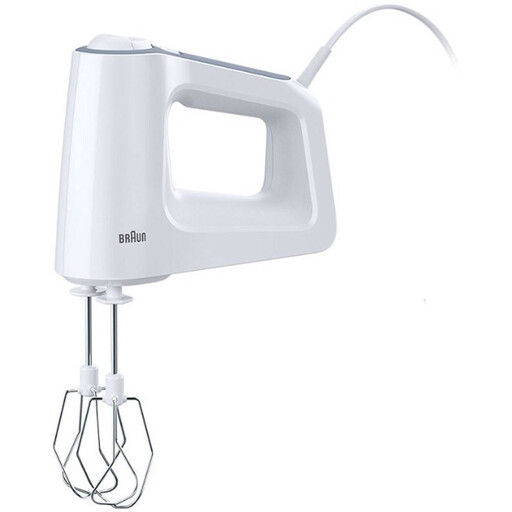
Why it suits this profile: This model combines a hand mixer with a stick blender and food chopper. It’s a good fit for households that want one appliance for baking, soups, sauces and chopping.
The extra functions are clearly specified: five speeds, a turbo setting, whisk, dough hooks, blending wand and a 500 ml chopper.
500 W, 3-in-1 use, SmartMix technology according to the product information, and dishwasher-safe parts.
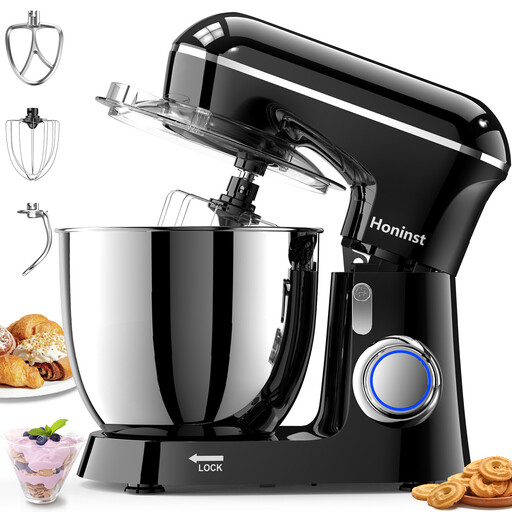
Why it suits this profile: This stand mixer has a 6.5 QT stainless steel bowl, ten speeds and three attachments for whisking, mixing and kneading.
The product description mentions a splash guard, non-slip feet, overheating protection and a recommended limited running time when working with heavy dough.
6.5 QT stainless steel bowl, ten speeds, dough hook, whisk and beater; according to the product information, the noise level is below 60 dB.
Read the manual before using the mixer for the first time, and don’t exceed the permitted quantities. Set the speed to zero before removing accessories, and unplug the appliance before cleaning it. Keep your hands, hair and kitchen utensils away from moving parts.
A mixer can get hot when used for long periods to knead dough. Take breaks, especially when working with firm yeast dough. Clean the motor housing with a slightly damp cloth and never immerse it in water. Also check whether the accessories are dishwasher-safe.
When buying, look for the CE marking, clear safety information and a Dutch-language manual or available instructions. A CE marking doesn’t prove that an appliance can handle every use case; maximum quantities and running time still matter.
We’ve put together a complete, up-to-date list of products that meet these strict selection criteria and the applicable European safety regulations.
It can be for small quantities and with suitable dough hooks, but always check the maximum running time and quantity. For regular baking or heavy bread dough, a stand mixer often offers greater stability.
There’s no single wattage that’s right for everyone. As well as power, consider the motor type, speed settings, accessories, bowl capacity and usage limits. Light batter often needs less power than firm dough.
A mixer usually runs for only a short time, so the energy cost per batch is generally low. The exact amount depends on the wattage and running time. For overall value, quality accessories, easy maintenance and a running time that suits your recipes matter more.
