
Vandaag of morgen in huis

Kwaliteit gegarandeerd

Welkomstaanbiedingen ontgrendelen: GRATIS bezorging | Tot 80% korting | Gratis 30 dagen JoyPlus-proefperiode
Download de app
A kitchen mixer can make baking and cooking easier, but not every appliance is suited to the same tasks. A hand mixer is compact and convenient for cake batter, while a stand mixer with a bowl is better suited to regular kneading. A blender, meanwhile, is designed for smoothies, sauces and puréed ingredients.
Product descriptions often emphasise power, multiple speeds or a large number of accessories. That may sound appealing, but these figures do not tell the whole story. Pay particular attention to the following common pitfalls.
Higher wattage does not automatically mean that a mixer will perform every task better. Also check the type of motor, the recommended operating time and the accessories included. For light, airy batter, a good whisk and several speed settings are important. For bread dough, stability, a suitable dough hook and the maximum dough capacity matter most.
For models with a stated peak power, pay attention to the difference between rated power and peak power. The Monsga SM100, for example, lists 600 watts of rated power and 1000 watts of peak power. These values are not the same, so they should not be compared directly with a model that lists only its actual operating power.
A 5- or 6-litre bowl is practical for family-sized portions, but the maximum volume is not always the recommended quantity for dough or batter. The Monsga SM100 has a total capacity of 6 litres, while 5 litres is listed as the recommended capacity. Always check the usage limit in the manual rather than relying solely on the figure shown on the product page.
For a small household, a large stand mixer may also take up more space than necessary. A hand mixer with a bowl or a compact food processor may be more convenient.
A multifunctional mixer with a whisk, food chopper, measuring jug and blender attachment sounds versatile. In practice, accessories are only useful if you use them regularly and they are easy to clean. Also check whether replacement accessories are available and which parts can go in the dishwasher.
A hand blender is suitable for soups, sauces and small quantities. A blender works better for larger portions of smoothies or ingredients with a high liquid content. For bread, pizza and heavy batter, you need a mixer with a dough hook or a stand mixer.
For everyday batter and whipped cream, a few speed settings are often sufficient. The Russell Hobbs 24672-56, for example, has 5 speeds and a pulse function. The Philips HR3745/00 offers 6 speeds, an automatically driven bowl and a power rating of 450 watts.
With a hand blender, variable speed control or a large number of settings is particularly useful when you want to create different textures. According to the product details, the Royalty Line hand blender has 800 watts, 20 speeds and a turbo setting. The ROUNY 4-in-1 hand blender lists a rated power of 1000 watts and a maximum power of 1200 watts. Use these appliances according to the specified operating and rest periods to prevent overheating.
First, decide how much you usually prepare:
The Philips HR3020/20 has a 2-litre jug with a stated usable capacity of 1.5 litres. This distinction is important when filling the jug. The Nutribullet Pro 900 has a 700 ml cup, making it particularly suited to individual preparations.
A stand mixer should remain firmly in place on the worktop. Suction cups, non-slip feet and a stable housing help with this, particularly when kneading. Also check whether the bowl is made of stainless steel and whether the accessories can be removed.
With any food mixer, the motor unit must not be submerged in water. Only parts that the manual confirms are dishwasher-safe should be placed in the dishwasher. Sharp blender and chopping blades require extra care when cleaning.
A CE mark is a mandatory conformity marking for many electrical appliances sold in the EU. Also check the manufacturer, the EU responsible party, the manual and the warranty information. In the Netherlands, many products are also covered by a minimum statutory guarantee; an additional manufacturer’s warranty may apply on top of this.
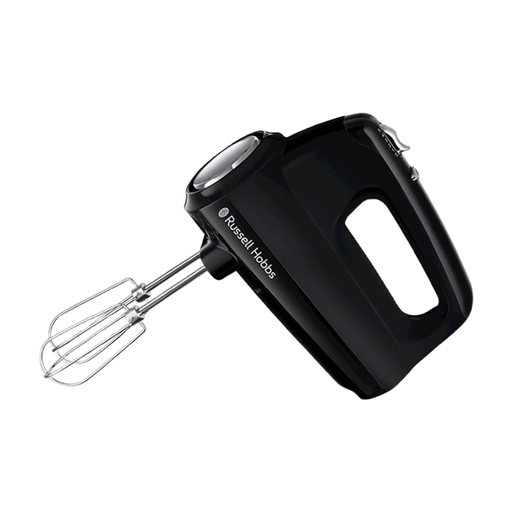
Why it suits this profile: A compact hand mixer for cake batter, whipped cream and lighter dough preparations, without the need for a large food processor on the worktop.
The specifications list 5 speeds, a pulse function, an integrated bowl and dishwasher-safe removable parts. The stated power is 185 watts, with a peak power of 350 watts.
Compact size, 5 speeds and an integrated support designed to catch drips.

Why it suits this profile: For home bakers who want a permanent kitchen set-up and the ability to prepare different recipes with one stand mixer.
The set includes a K-beater, whisk and dough hook. The metal housing, stainless steel bowl and automatic speed control are well suited to regular use.
6.7-litre bowl, three standard accessories and more than 20 optional accessories according to the product description.

Why it suits this profile: A great choice for families and hobby bakers who make larger quantities of bread, pizza, cake or other batter.
The product details list a 6-litre bowl, 6 speeds plus pulse, a dough hook and non-slip suction feet. According to the description, the stated noise level is between 68 and 72 dB at one metre.
Stainless steel bowl, three included mixing accessories and protection against overheating and overloading according to the product specifications.

Why it suits this profile: For families who want to prepare larger quantities of smoothies, soups and sauces.
The product information distinguishes between the 2-litre jug capacity and the 1.5-litre usable capacity. It has 3 speeds, a pulse function and a manual cleaning setting.
1000 watts, removable blades, dishwasher-safe removable parts and non-slip feet according to the product details.
We have compiled a complete, up-to-date list of products that fully meet these strict selection criteria and the applicable European safety regulations.
A hand mixer is practical for cake batter, whipped cream and small quantities. A stand mixer with a bowl is better suited to making bread dough, pizza dough or large batches regularly. When working with heavy dough, always check the maximum operating time and recommended quantity.
Its lifespan depends on the motor load, cleaning and frequency of use. Allow the appliance to cool down whenever the manual instructs you to do so, do not use damaged accessories and do not exceed the maximum capacity. A two-year warranty period is stated for several of the models mentioned, although statutory rights may also apply.
Consumption depends on the power rating and how long the appliance is used. A 1000-watt blender theoretically uses around 0.017 kWh when running for one minute, excluding losses. In practice, blending cycles are usually short. So do not look only at the wattage; consider how long you use the appliance for each preparation.
