
Vandaag of morgen in huis

Kwaliteit gegarandeerd

Welkomstaanbiedingen ontgrendelen: GRATIS bezorging | Tot 80% korting | Gratis 30 dagen JoyPlus-proefperiode
Download de app
A good kitchen mixer can be the difference between a quick, enjoyable cooking session and a frustrating afternoon of mess. But with an abundance of models all vying for your attention, it's easy to make the wrong choice. Manufacturers advertise impressive specifications, but what do they really mean for your apple pie or bread dough?
As a Product Recommendation Officer at Joybuy, I see the challenges consumers face every day. Before you invest in a new kitchen assistant, let's discuss the three most common pitfalls and how to avoid them.
A high wattage (e.g., 2000W) sounds powerful, but it's no guarantee of a good result. An inefficient motor can consume a lot of power and mainly produce heat and noise, without effectively kneading the dough. The quality of the motor and the power transmission are far more important than the number on the box. A well-designed dough mixer with 1000W can completely outperform a poorly designed 2000W model.
You've only used it a few times for pizza dough, and the dough hook breaks. This often happens with mixers that have attachments made of inferior material or plastic gears in the mechanism. Pay close attention to the construction. Stainless steel whisks and dough hooks with a solid metal coupling are a must for anyone who wants to do more than just whip cream.
A lightweight, plastic stand mixer can literally walk off your countertop while kneading heavy dough. This is not only inconvenient but also unsafe. A stable machine has a heavy, preferably metal, base and anti-slip feet that dampen vibrations and keep the appliance in place, even at the highest speed.
To avoid a bad purchase, focus on the specifications that truly matter. These are the three key points to check before you buy a kitchen mixer.
Look beyond just the wattage. A stand mixer with a planetary mixing action ensures the head rotates in one direction while the whisk or hook rotates in the opposite direction. This guarantees that all ingredients in the mixer with bowl are incorporated, from the bottom to the edges. This is the standard for serious baking results. For a hand mixer, a power rating between 350W and 500W is typically more than sufficient for most tasks.
A robust metal housing provides the necessary stability and durability. For the mixing bowl, stainless steel (SS) is the preferred choice. It's hygienic, doesn't absorb odours or flavours, is dishwasher-safe, and can take a beating. A bowl with a handle is a practical bonus.
What exactly will you be using it for?
Based on these criteria, we have selected a few models that suit different types of users.
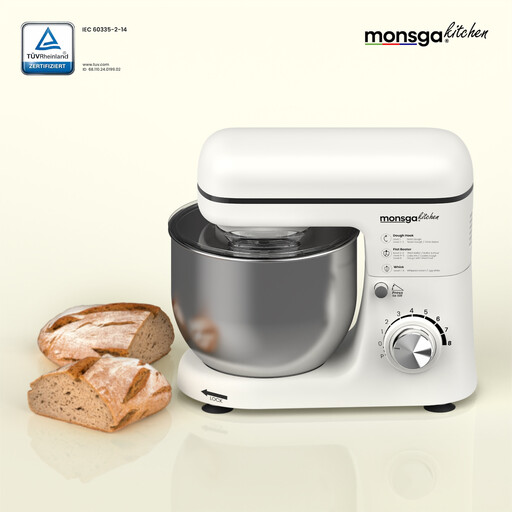
Why This Fits Their Persona: Ideal for those taking their first steps into the world of baking. This machine offers the functionality of a full-fledged stand mixer without a huge investment. Perfect for cakes, cookies, and experimenting with bread dough.
With a 1000W motor and planetary mixing action, it bypasses the 'wattage myth'. The silicone suction cups provide a stable base and prevent it from 'walking' on the countertop.
A complete set with a spacious 5L stainless steel bowl, dough hook, whisk, and beater. The accessories are dishwasher-safe, which simplifies cleanup.
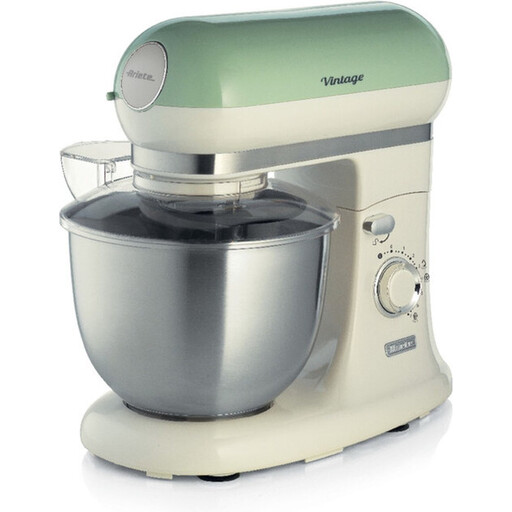
Why This Fits Their Persona: For those who believe a kitchen appliance should not only be functional but also an eye-catcher. This Ariete stand mixer combines a striking Italian retro design with the power to handle serious baking tasks.
This machine is more than just a pretty face. The combination of metal and plastic, anti-slip feet, and a planetary mixing action ensures stability and thorough mixing, so it doesn't fall into the 'style over substance' trap.
The large 5.5-litre stainless steel bowl is suitable for family-sized portions. The stated 2400W power and 7 speeds offer control for both light and heavy preparations.
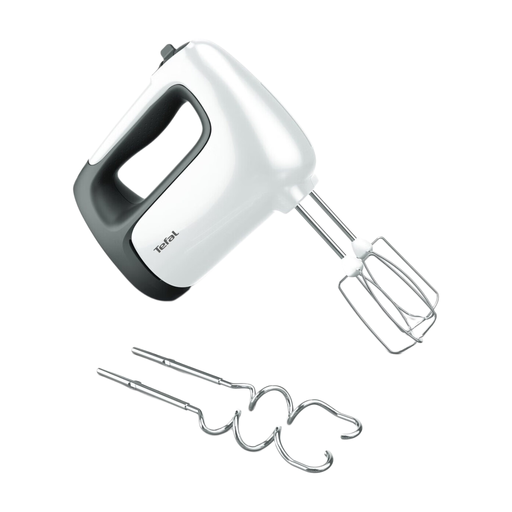
Why This Fits Their Persona: For the cook who seeks flexibility and efficiency. This Tefal hand mixer is not just for baking, but also for puréeing soups and sauces thanks to the included immersion blender attachment. Ideal for those with limited storage space who still desire versatility.
This set doesn't overpromise. It's positioned as a powerful hand mixer (500W) for light to medium-duty tasks, not as a replacement for a heavy-duty dough machine. The stainless steel attachments are durable for their intended use.
Three-in-one functionality: mixing, kneading (light dough), and puréeing. The stable resting position keeps your countertop clean, and the accessories are dishwasher-safe.
We have compiled a complete, up-to-date list of products that fully meet these strict selection criteria and safety standards.
It depends on the type and your usage. For a hand mixer, 350-500W is generally sufficient for tasks like mixing batter and whipping cream. For a kitchen mixer (stand mixer) that needs to regularly knead heavy bread or pizza dough, a power of at least 1000W is recommended. However, don't get fixated on the wattage; an efficient motor with a planetary drive system is more important.
The terms are often used interchangeably, which can be confusing. In general, kitchen mixer is an umbrella term that can refer to both a hand mixer and a stand mixer. The term stand mixer almost always refers to a mixer with a bowl on a fixed base. This term is often used for models that you can expand with extra accessories, such as a blender, pasta maker, or meat grinder.
It's not recommended. Although some powerful hand mixers come with dough hooks, they are primarily intended for light doughs like brioche or soft rolls. For regularly kneading firm bread or pizza dough, a stand mixer is essential. A hand mixer's motor can overheat, and the kneading action isn't powerful enough to properly develop the gluten, resulting in less airy bread.
