
Vandaag of morgen in huis

Kwaliteit gegarandeerd

Welkomstaanbiedingen ontgrendelen: GRATIS bezorging | Tot 80% korting | Gratis 30 dagen JoyPlus-proefperiode
Download de app
A good kitchen knife should suit your cutting technique, hand and everyday use. Yet many people buy mainly based on a familiar brand name, a shiny blade or the promise of long-lasting sharpness. This can result in a knife that feels blunt after a short time, is uncomfortable to hold or is unsuitable for the tasks you bought it for.
In this buying guide, you’ll learn what to look for in kitchen knives. We’ll also compare several models for different types of users, from budget-conscious beginners to keen home cooks who spend a lot of time in the kitchen.
The term “sharp kitchen knife” means very little on its own. How sharp a knife is when you buy it depends on the sharpening angle, the steel and the finish of the edge. How long that edge remains usable also depends on your chopping board, technique and maintenance.
Claims such as “stays sharp” or “extra sharp” are therefore no guarantee for every user. It’s better to check the blade length, type of steel, sharpening angle and care instructions.
A chef’s knife is versatile, but not every kitchen knife is suitable for every type of preparation. A santoku knife is useful for vegetables, herbs, fish and meat. A carving knife usually has a longer, narrower blade for creating even slices. A cleaver is more heavily built and designed for more forceful chopping.
Don’t use a standard slicing knife for bones, frozen food or hard bones. This can damage the edge and make cutting less safe.
A knife may be made from a good type of steel but still feel awkward because of a slippery or poorly fitting handle. Pay attention to balance, grip, weight and the transition between the blade and handle. If you cook often, you’ll notice an unsuitable handle sooner than a small difference in appearance.
For many kitchens, a 16 to 20 cm chef’s knife is a practical choice. A 16 cm blade is often easy to manoeuvre on smaller chopping boards and when preparing smaller ingredients. A 20 cm chef’s knife offers more cutting surface when working with large vegetables, cuts of meat and herbs.
A santoku knife is generally shorter and has a relatively broad edge. According to some product descriptions, the small dimples in certain blades can help prevent food from sticking to the steel. That doesn’t mean ingredients will never stick.
A stainless steel kitchen knife is easy to use every day and needs less protection from moisture than carbon steel. X50CrMoV15 is used in several Wüsthof models. The product information describes it as stainless steel suitable for a wide range of kitchen tasks.
With a forged kitchen knife, the blade is formed from a single piece of steel. A full-tang construction, where the steel extends into the handle, can contribute to balance and strength. Always check the specific product details, however; “forged” does not automatically say anything about sharpness or comfort.
An anti-slip texture can provide more control when your hands are damp. For example, the Wüsthof Performer series specifies a Hexagon-Power-Grip made from glass-fibre-reinforced material. This is a verifiable design feature, not a guarantee that every user will experience the same level of grip.
Preferably wash a knife by hand, even if the product page states that it is dishwasher-safe. Heat, dishwasher detergent and contact with other items can put extra strain on the edge and handle. Use a wooden or plastic chopping board and store the knife in a knife block, protective sheath or drawer insert.
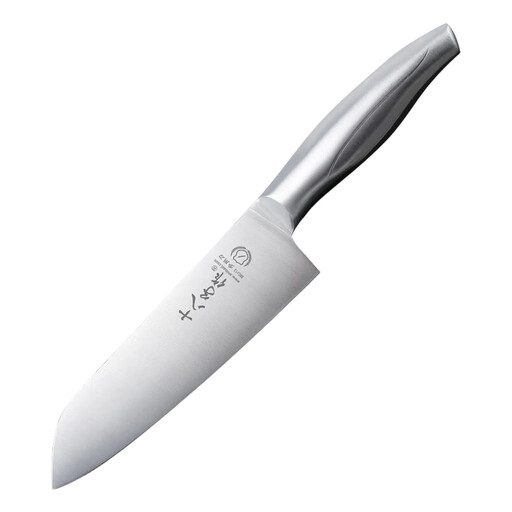
Why it suits this profile: A multi-purpose model is practical when you’re looking for one knife for everyday chopping and cooking, without immediately having to buy several specialist knives.
The product name and description mention stainless steel and a multi-purpose design. Before buying, check the exact dimensions and handle details on the product page.
Stainless steel construction; designed for a range of everyday cutting tasks.
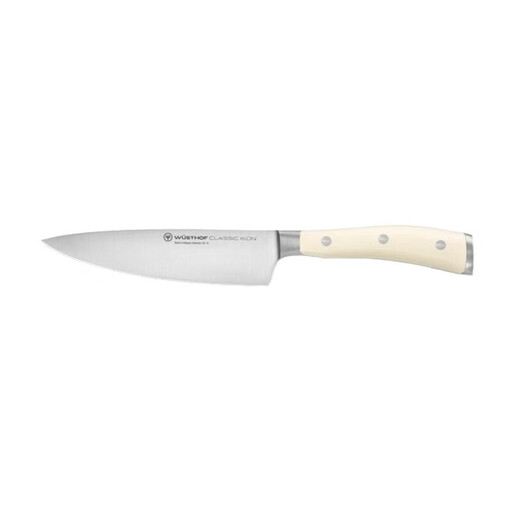
Why it suits this profile: This forged kitchen knife is aimed at users who value a solid construction, a compact blade length and an ergonomic handle.
The product information specifies X50CrMoV15 steel, a full-tang construction and hand washing. This makes the key material and care choices clear.
16 cm blade; 14 degrees per side according to the product information; suitable for vegetables, fruit, fish and meat.
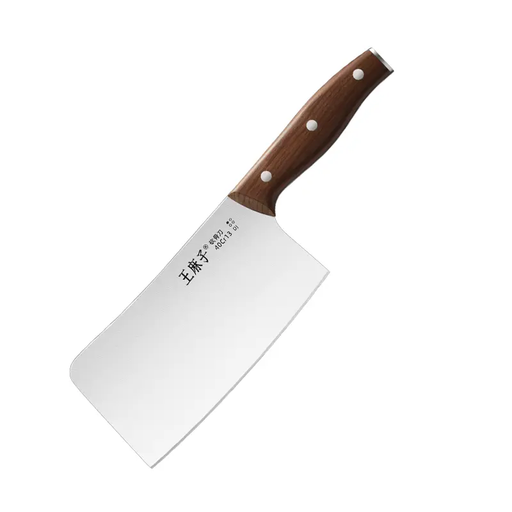
Why it suits this profile: This cleaver is intended for users who regularly prepare poultry, ribs or other substantial cutting tasks. It is not a replacement for a fine chef’s knife.
The product description positions it as a bone cleaver. This makes it clearer that the knife is intended for forceful chopping rather than delicate slices or herbs.
Forged construction according to the product description; designed for bones, ribs and poultry.
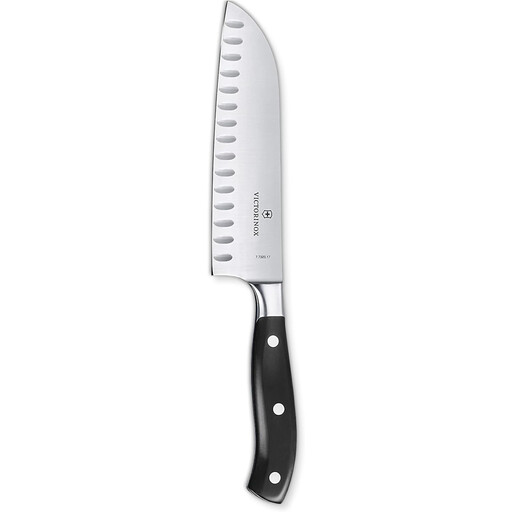
Why it suits this profile: A 17 cm santoku knife offers a balance between manoeuvrability and cutting surface for vegetables, fish and meat.
The blade length, ergonomic handle and dimples in the blade are clearly stated in the product information. This allows you to compare the knife based on its features rather than its appearance alone.
17 cm stainless steel blade; ergonomic plastic handle; dimples that, according to the product description, may help reduce sticking.
We’ve put together a complete, up-to-date list of products that fully meet these strict selection criteria and the applicable European safety regulations.
A 16 to 20 cm chef’s knife is versatile enough for vegetables, fruit, herbs, fish and meat in many households. Choose a shorter blade if you mainly prepare smaller ingredients or have limited workspace. A santoku knife is an alternative if you prefer a broad edge and compact shape.
This depends on how often you use it, the steel, chopping board and technique. A knife used every day may need regular maintenance, while occasional use requires sharpening less often. Don’t wait until the knife slips through food or requires extra force. This makes control during cutting less predictable.
Some product descriptions state that the knife is dishwasher-safe, including certain Wüsthof and 5five models. Hand washing is generally the more cautious choice for preserving the edge and handle. Always check the care instructions for the specific model before placing it in the dishwasher.
