
Vandaag of morgen in huis

Kwaliteit gegarandeerd

Welkomstaanbiedingen ontgrendelen: GRATIS bezorging | Tot 80% korting | Gratis 30 dagen JoyPlus-proefperiode
Download de app
A kitchen knife may look sturdy in a product photo, but that tells you little about everyday use. Some buyers focus mainly on a low price or an eye-catching pattern on the blade. Later, they find that the knife is awkward to hold, becomes blunt quickly or is unsuitable for the tasks they bought it for.
With these practical checks, you can compare kitchen knives, a chef’s knife, a santoku knife or a complete knife set based on verifiable features.
“Extra sharp” is not a complete product specification. More important factors include the blade material, the sharpening method, blade length and maintenance requirements. A knife may be sharp on delivery, but without a suitable chopping board and regular honing, its cutting performance will decline.
Also pay attention to the cutting angle when it is provided. For example, the Wüsthof Classic Chef’s Knife has a sharpening angle of 14 degrees per side. That is more specific than a general marketing claim about sharpness.
A 13-piece set may seem appealing, but check what it contains first. Do you really need a bread knife, steak knives, kitchen scissors and a knife sharpener? For many households, a well-suited chef’s knife supplemented by a small, multi-purpose kitchen knife is sufficient.
A set also takes up more space. So check the dimensions of the knife block, the included components and whether the knives are dishwasher-safe.
A smooth or awkward handle can give you less control while cutting. Look at the material, shape and any finger guard. Also check whether hand washing is required. Various stainless steel kitchen knives are not suitable for the dishwasher, as heat, moisture and cleaning products can put strain on the edge and handle.
Stainless steel is popular for everyday use because it is relatively easy to clean and less prone to rust than untreated carbon steel. The exact type of steel still matters. For example, the Wüsthof Classic model uses X50CrMoV15 steel. Other products may only state “stainless steel”. That is not necessarily a problem, but it provides less information for comparing hardness or wear resistance.
A decorative “Damascus” pattern does not, by itself, indicate how many layers of steel have been used or how the knife performs. Always check the complete product description rather than relying solely on the name.
A 16 cm blade is a practical medium size for herbs, vegetables, fish and smaller cuts of meat. A longer chef’s knife offers more cutting surface, but also requires more space and control.
A santoku knife generally has a wider, relatively straight cutting edge and is suitable for cutting vegetables, fish and meat. A bread knife uses a serrated edge and is not intended for fine chopping. A vegetable slicer with multiple attachments can be useful for strips, slices or grating, but it does not replace a general-purpose kitchen knife.
A knife with a full tang, also known as a full-tang construction, extends through into the handle. According to the Wüsthof Classic Ikon product information, this construction contributes to balance and strength. Also check whether the knife can be used comfortably by both left- and right-handed users and whether it provides sufficient finger protection.
For everyday maintenance, follow these simple rules:
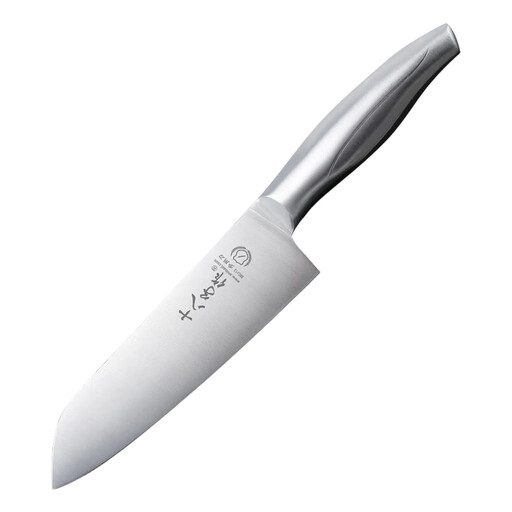
Why it suits this profile: This multi-purpose kitchen knife is designed for everyday household cooking and can be an accessible starting point for anyone looking for one knife to handle several daily tasks.
The product name specifies stainless steel and multi-purpose use. Before buying, however, check the exact size and care instructions, as these details are not fully provided in the available description.
Stainless steel construction and a design suited to several kitchen tasks.
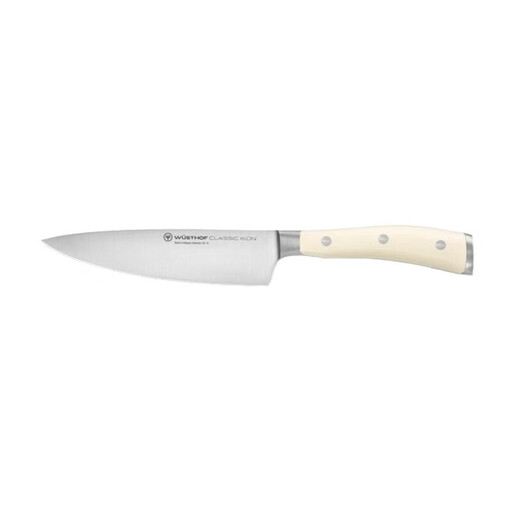
Why it suits this profile: This 16 cm chef’s knife is designed for a wide range of cutting tasks. Its full-tang construction and ergonomic handle make it well suited to frequent use.
The description clearly specifies the blade material, length, full tang and three rivets. This makes the construction easier to assess than that of a product supported only by general sharpness claims.
Stainless steel, 16 cm blade, full tang and ergonomically designed handle.
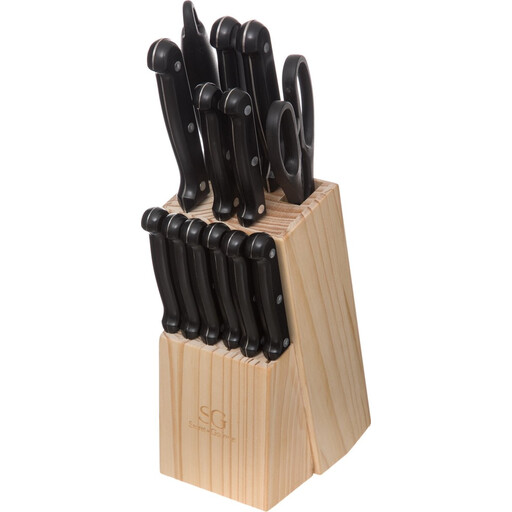
Why it suits this profile: Households that need several knife shapes and tools get a chef’s knife, bread knife, steak knives, kitchen scissors and knife sharpener in one block.
The contents are clearly specified: 11 knives, a pair of scissors and a knife sharpener. The set is not dishwasher-safe, so hand washing is part of using it.
13-piece composition, wooden block, bread knife, steak knives, scissors and sharpener included.
We have put together a complete, up-to-date list of products that fully meet these strict selection criteria and the applicable European safety regulations.
Not every cutting task calls for a knife. A multi-purpose kitchen knife is suitable for general food preparation, while a vegetable slicer can produce strips, slices or grated ingredients. According to the product description, the 5five vegetable slicer offers five cutting techniques and a collection container.
For meat, a meat slicer or a tool for tenderising steak can be a useful specialist addition. Use these only as instructed and clean any parts that come into contact with raw meat thoroughly.
The right tools are important outside the kitchen too. A pair of pruning shears with an SK5 steel blade is intended for fresh branches within the stated maximum diameter. A jigsaw or other power tool does not belong in the kitchen knife category, but it can be useful for DIY projects. In that case, consider the power, cutting depth, blade type, protective equipment and whether a battery and charger are included.
For everyday use, a chef’s knife of around 16 cm is a practical choice for vegetables, herbs, fish and smaller cuts of meat. If you mainly cut bread, you will also need a bread knife with a serrated edge. Always check the blade length and handle before ordering.
Use a soft chopping board, never cut on glass or stone, and wash the knife by hand if the product information requires it. Dry the knife immediately and periodically use a suitable honing steel or whetstone. The correct method depends on the cutting angle and type of steel.
That depends on how you use them. A knife set can be practical if you need several knife shapes, scissors and a sharpener. If you mainly use one chef’s knife, buying a single product may mean fewer unused components. So compare the overall contents, storage space, maintenance requirements and price of each component you will actually use.
