
Vandaag of morgen in huis

Kwaliteit gegarandeerd

Welkomstaanbiedingen ontgrendelen: GRATIS bezorging | Tot 80% korting | Gratis 30 dagen JoyPlus-proefperiode
Download de app
A good, sharp knife makes cooking easier and more enjoyable. But the search for the right kitchen knives can be frustrating. Between the shiny packaging and vague promises, it's hard to know what you're really buying. Many home cooks fall into the same traps, ending up with a drawer full of knives they barely use.
Before you invest, it's wise to recognise the most common purchasing mistakes:
To avoid a bad purchase, it's better to focus on a few verifiable specifications. These determine how a knife performs and how long it will last.
The blade material is the most important factor for sharpness and maintenance. The two most common options are stainless steel and carbon steel.
A complete knife set isn't always necessary. Often, a few specific knives are all you need.
We have selected a few products that suit different needs and budgets, based on their specifications and functionality.
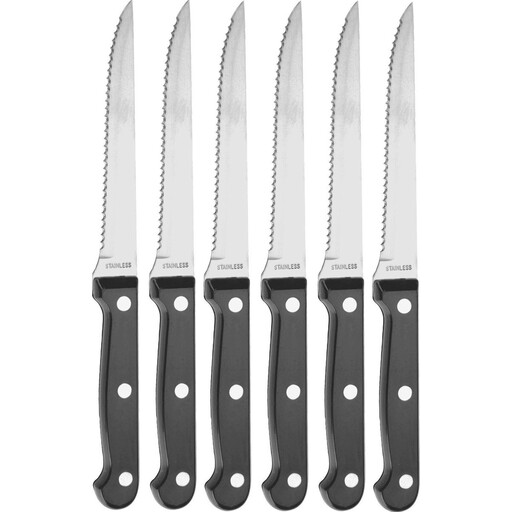
Why it's a match: Ideal for those seeking a functional and affordable solution for dinner. This set focuses on one clear task: cutting meat at the table. No unnecessary extras, just a practical addition to your kitchen drawer.
This is not a "complete" knife set with unnecessary components. It's a specialised steak knife set, exactly what you need for a dinner party.
Made from stainless steel, so it's rust-resistant and easy to maintain. According to the manufacturer, the knives are dishwasher-safe, which simplifies cleaning.
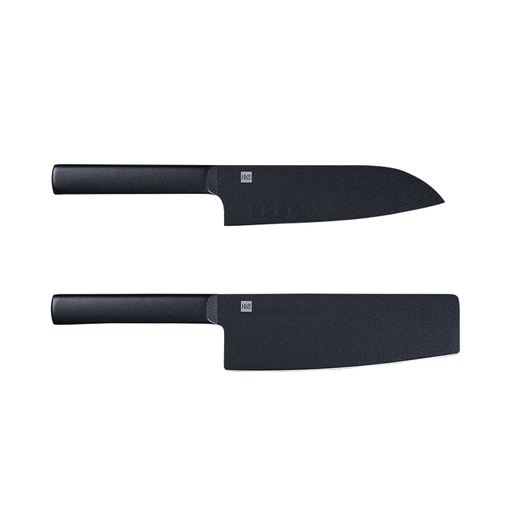
Why it's a match: For the cook who seeks more precision and performance. This knife combines the hardness of carbon steel with a modern finish, resulting in a blade that stays sharp longer and cuts efficiently.
This knife avoids vague claims. The manufacturer specifies the material as 50Cr15MoV carbon steel, a hard steel type known for its edge retention. This is verifiable information, not marketing fluff.
According to the manufacturer, the blade has a nano non-stick coating that repels food residue, making cleaning easier. The ergonomic handle ensures good balance and control.
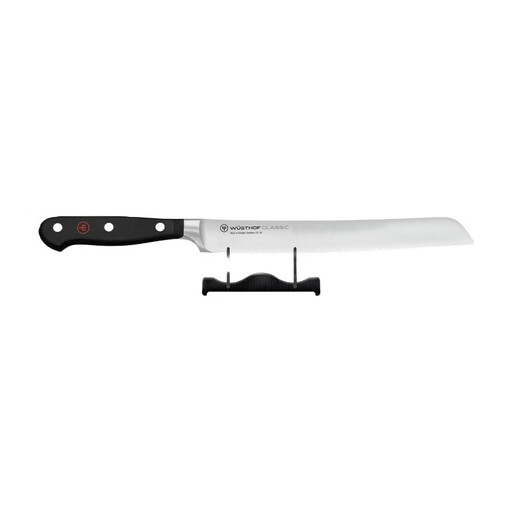
Why it's a match: For those who want the best tool for a specific task. This bread knife from Wüsthof, a renowned German brand, is designed to slice perfectly through hard crusts without crushing the bread.
This knife is made from forged X50CrMoV15 stainless steel with a hardness of 58 HRC. These are concrete specifications that indicate durability and long-lasting sharpness, unlike vague marketing terms.
The seamless transition between the blade and handle prevents dirt from accumulating, which improves hygiene. The design focuses on balance and ergonomics for comfortable use.
Whether you're looking for a specific meat knife or a set for the dinner table, explore our full range of products that meet clear specifications and European regulations.
1. How often should I sharpen my kitchen knives? This depends on how often you use the knife and the hardness of the steel. A general rule is to hone your knives a few times a year with a honing steel or knife sharpener. You'll notice when a knife becomes dull: if slicing a tomato requires more pushing than cutting, it's time to sharpen.
2. Is an expensive knife set worth the money? Not always. An expensive set is only worth the investment if you will actually use most of the knives and the quality of the steel and construction is superior. It's often wiser to invest in one or two high-quality, versatile knives (like a good chef's knife or santoku) than in a cheap set full of unused knives.
3. What is the difference between a santoku knife and a chef's knife? Although they are used for similar tasks, there are differences in their design. A chef's knife has a more curved blade, which is ideal for a "rocking" cutting motion. A santoku knife has a straighter blade and a blunter tip. This makes it very suitable for precise, downward cuts, such as making thin slices and small cubes. The choice depends on your personal preference and cutting technique.
