
Vandaag of morgen in huis

Kwaliteit gegarandeerd

Welkomstaanbiedingen ontgrendelen: GRATIS bezorging | Tot 80% korting | Gratis 30 dagen JoyPlus-proefperiode
Download de app
A good kitchen knife can be the difference between a tedious chore and an enjoyable cooking experience. But the kitchen knife market is saturated with marketing claims and sets that overpromise and underdeliver. Many home cooks buy knives that dull quickly, are uncomfortable to use, or are simply wrong for the task.
As a Joybuy Product Recommendation Officer, I'm here to help you cut through the noise. We'll discuss the most common pitfalls and the key specifications to look for, so you can make an informed decision that suits your kitchen.
Before you make a purchase, it's crucial to recognise the common marketing traps that lead to buyer's remorse.
To make a lasting choice, focus on a few verifiable specifications instead of marketing jargon.
Most stainless steel knives for the kitchen are rust-resistant, which is practical. However, there are significant differences in quality. Look for the steel code, if provided:
A complete knife set isn't always necessary. Start with the basics and expand based on your cooking style.
Below is a selection of products that suit different needs, based on their specifications and design.
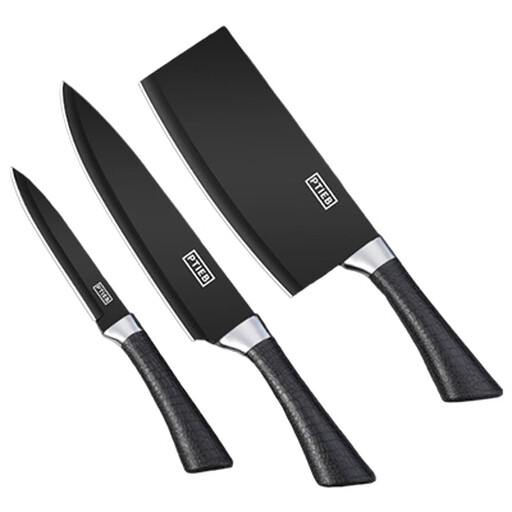
Why This Fits Their Persona: Ideal for those who are just starting to cook and need a functional foundation without spending a fortune. This set covers the most common cutting tasks in the kitchen.
This set avoids the pitfall of an oversized, unnecessary knife set. It focuses on three essential, versatile knives that you will actually use every day.
A complete starter kit with a chef's knife, paring knife, and slicing knife. Practical and affordable for the everyday kitchen.
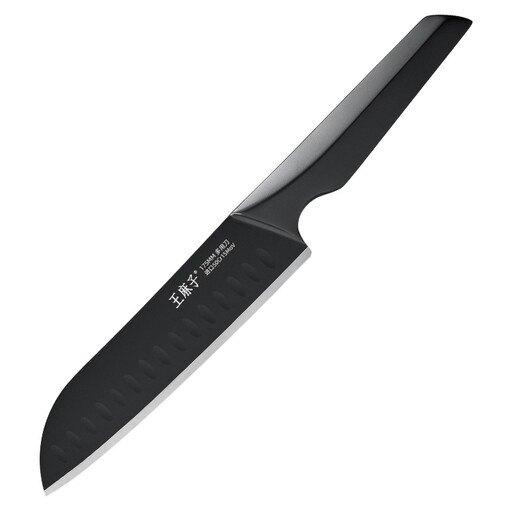
Why This Fits Their Persona: For the cooking enthusiast looking to upgrade their collection with a specific, high-quality knife for more precise work. This santoku knife offers superior performance for finely slicing vegetables and fish.
This knife avoids vague claims by specifying the exact steel type: 50Cr15MoV. This is an objective indicator of better edge retention and durability compared to standard knives.
Made from harder steel for long-lasting sharpness. The santoku design is highly versatile for precise slicing, chopping, and dicing.
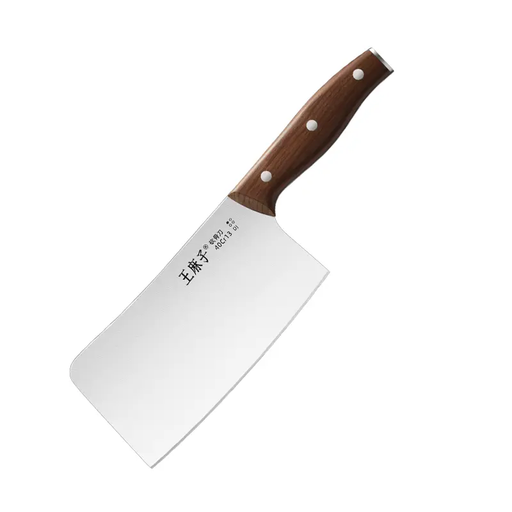
Why This Fits Their Persona: For the home cook who regularly processes large, bone-in cuts of meat, like spare ribs or a whole chicken. This is a heavy-duty tool for tasks that a standard chef's knife cannot handle.
This isn't a multi-purpose knife that claims to do it all. It's a specialised cleaver, designed for one purpose: applying force. This prevents you from damaging your lighter, everyday knives.
The forged construction provides superior strength and weight, which is essential for chopping through bone. The ergonomic handle offers a firm grip for control and safety.
We've compiled a complete, up-to-date list of products that meet these selection criteria and comply with current safety regulations.
This depends on how often you use the knife and the quality of the steel. A good habit is to hone your knife weekly with a honing steel to keep the edge aligned. True sharpening, which removes material, is typically only needed once every few months, or when you notice the knife struggling to slice a tomato. A dull knife requires more force and is therefore more dangerous than a sharp one. A simple tool like the SHIBAZIZUO Quick Sharper can help with this.
Although many stainless steel knives are marketed as "dishwasher-safe," it is strongly discouraged. The harsh detergents, high temperatures, and contact with other dishes can dull the blade, damage the handle, and even cause small rust spots. Hand washing with warm water and a soft sponge is the best way to guarantee the longevity and sharpness of your sharp kitchen knives. Dry the knife immediately after washing.
The main differences are in the blade shape and cutting technique. A European chef's knife has a more curved blade, which is ideal for a rocking cutting motion. A santoku knife has a flatter edge and a blunter tip. This makes the knife well-suited for a straight down-and-forward chopping motion and for making paper-thin slices. The choice between the two is largely a matter of personal preference and cutting style.
