
Vandaag of morgen in huis

Kwaliteit gegarandeerd

Welkomstaanbiedingen ontgrendelen: GRATIS bezorging | Tot 80% korting | Gratis 30 dagen JoyPlus-proefperiode
Download de app
A good kitchen knife doesn’t have to do everything. A chef’s knife is handy for vegetables and meat, while a bread knife is better suited to a hard crust. Yet many shoppers choose a single knife based only on claims such as “extra sharp” or “professional”. That can leave you with an uncomfortable grip, difficult maintenance or a knife that isn’t right for the ingredients you usually prepare.
As Joybuy Product Recommendation Officer, I focus on features you can check: blade length, material, handle, maintenance and intended use. That makes it easier to compare kitchen knives without relying on marketing claims alone.
A sharp kitchen knife is a pleasure to use, but how long its edge lasts depends on the steel, sharpening angle, chopping board and maintenance. A thin knife may glide through vegetables, but that doesn’t automatically make it suitable for bones or hard foods.
So don’t look at the “sharp” claim alone. Check whether the product information specifies the blade material, care instructions and intended use.
An all-purpose kitchen knife or santoku can handle many tasks, but bread needs a serrated blade. A cleaver is designed for heavier chopping. Using a thin vegetable knife on bones could damage its edge.
A kitchen knife for meat and vegetables is often practical for everyday food preparation. For specific tasks, a specialist knife usually makes more sense.
Always check the blade length, not just the overall length. For example, a knife with an overall length of 32 cm may have an 18 cm blade. The product information for the Wüsthof Gourmet bread knife lists a blade length of 23 cm, while the product name says 20 cm. If in doubt, check the current product specifications before ordering.
A chef’s knife usually has a curved edge for a rocking motion. A santoku typically has a straighter edge, making it practical for chopping with an up-and-down motion. The right shape depends on your technique.
Stainless steel kitchen knives are popular because they’re relatively easy to clean and suitable for everyday use. Check whether hand washing is recommended. “Stainless” doesn’t mean that prolonged exposure to moisture or food residue can’t have an effect.
A Damascus kitchen knife often has a layered appearance. The name alone doesn’t tell you exactly how hard, thick or easy to care for the knife is. Check the specific product information. For example, the Wüsthof Performer Santoku is listed as being made from Damascus steel, and hand washing is recommended; according to the product description, it isn’t dishwasher-safe.
A comfortable handle helps when you’re cutting for a long time. Look for:
According to the product description, a full-tang construction, where the steel extends through the handle, can contribute to balance and strength. It doesn’t guarantee that every model will feel comfortable in every hand. Shape and weight are still a matter of personal preference.
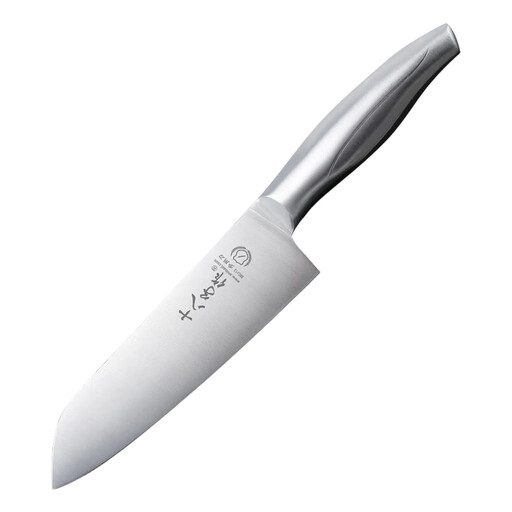
Why it suits this profile: Its all-purpose design is suited to everyday preparation of vegetables, meat and other ingredients, without the need to buy several knives straight away.
The product name specifies stainless steel and all-purpose use. Before buying, check the exact dimensions and care instructions.
Stainless steel construction; designed as a versatile household knife.
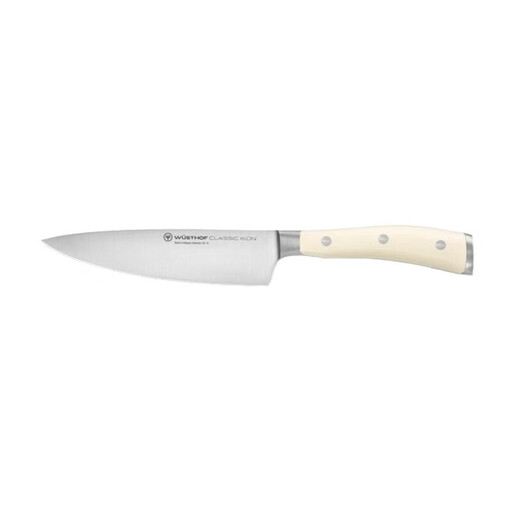
Why it suits this profile: This chef’s knife is a good fit for home cooks looking for one reliable everyday knife for vegetables, herbs, meat and poultry.
The product information specifies a 16 cm blade, stainless steel and a full-tang design. This makes its key features clearer than a general claim about sharpness alone.
16 cm blade; full-tang construction; synthetic handle with three rivets, according to the product description.
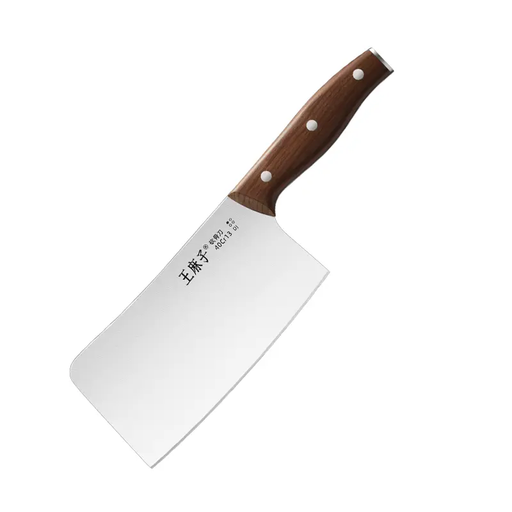
Why it suits this profile: A cleaver for shoppers who regularly prepare poultry, ribs or larger cuts of meat and want a heavier knife for the job.
This isn’t a thin all-purpose knife being used on bones: the product description presents it as a forged bone cleaver. Use it only on a suitable surface.
Forged construction, according to the product information; designed for bones, ribs and poultry.
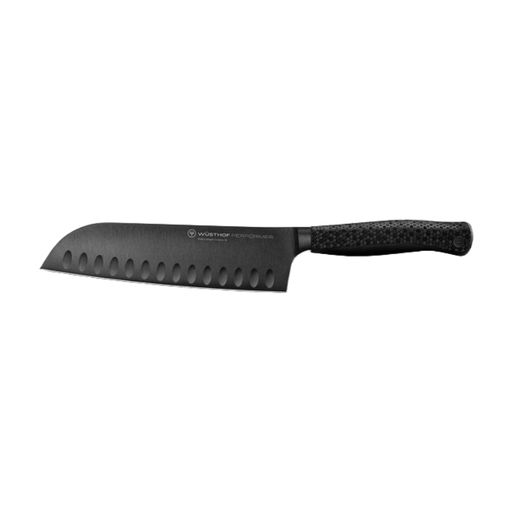
Why it suits this profile: The 17 cm santoku is suitable for anyone who regularly cuts vegetables, meat and fish and is happy to wash the knife by hand.
The care requirement is clearly stated: according to the product description, this knife isn’t dishwasher-safe. This helps avoid a mismatch for anyone who wants to clean their knives in the dishwasher only.
17 cm Damascus steel blade; ergonomic plastic handle; suitable for meat, vegetables and seafood, according to the product information.
We’ve put together a complete, up-to-date list of products that meet these strict selection criteria and applicable European safety requirements.
After use, wash your kitchen knife according to the manufacturer’s instructions and dry it straight away. Don’t leave a knife soaking in water for a long time. Use a wooden or plastic chopping board where possible, and avoid glass, stone and hard ceramic surfaces; these can wear the edge more quickly.
Store knives so that the blade doesn’t touch other cutlery. A knife block, blade guard or magnetic strip with enough space between knives can help. Use a honing steel only if it’s suitable for the blade. For actual sharpening, a suitable whetstone or professional sharpening service is a better choice than using just any tool.
For most household tasks, a 16 to 20 cm chef’s knife or a santoku of around 17 cm will do the job. Choose a bread knife for bread and a cleaver only for heavier work. Focus on your own cutting technique and the space you have available.
Not necessarily. The Wüsthof Performer Santoku product information specifies that it needs to be washed by hand and isn’t dishwasher-safe. Always check the care instructions for the specific model.
That depends on how often you use it, the type of chopping board you cut on and how you store it. If the knife needs more pressure or starts crushing ingredients instead of slicing them, it needs attention. Regular, gentle honing can help maintain the edge, but it doesn’t replace sharpening.
