
Vandaag of morgen in huis

Kwaliteit gegarandeerd

Welkomstaanbiedingen ontgrendelen: GRATIS bezorging | Tot 80% korting | Gratis 30 dagen JoyPlus-proefperiode
Download de app
Buying a new kitchen knife seems simple enough – until you have to choose between a chef’s knife, santoku knife, ceramic kitchen knife, cleaver or a complete kitchen knife set. Marketing copy often promises a knife that stays sharp for ages, professional quality or effortless cutting. On their own, these terms don’t tell you much. The real questions are: what food do you usually cut, which material suits how you cook, and how will you look after the knife?
As a Joybuy Product Recommendation Officer, I filter product specs and usage information down to the practical details. That way, you avoid paying for features you simply don’t need in your kitchen.
A 13-piece knife set sounds complete, but it often includes several knives for very similar tasks. So check what’s actually inside. A practical basic set usually consists of a chef’s knife or santoku knife, a vegetable knife, a bread knife and perhaps a small paring knife. A knife set that includes a cleaver or meat knife is only worth it if you genuinely use those knives.
Also think about storage. A knife block takes up worktop space and needs to be kept dry and clean. A loose kitchen knife set without safe storage means you’ll need a separate solution, such as a magnetic knife strip or blade guards.
A knife can feel sharp when you first get it, but how long it stays that way depends on the steel, the grind angle, your chopping board and how you maintain it. A stainless steel kitchen knife is generally practical for everyday use, but “stainless” doesn’t mean it can handle moisture, acids or the dishwasher indefinitely.
Brands can make their own claims about sharpness or wear resistance. According to a brand’s own research or product information, such claims are not the same as an independent comparison. So start by looking at verifiable details: the material used, the blade length and the care instructions.
A cleaver or bone chopper has a completely different shape and weight to a vegetable knife or meat knife. A thin santoku knife is great for vegetables, fruit, fish and many types of meat, but not automatically for bones. For bones, only use a knife whose product description specifically states this purpose. Using the wrong knife can damage the blade and make cutting less controlled.
Stainless steel is a sensible choice for everyday cooking. It’s relatively easy to clean and suitable for meat, vegetables and fruit. Check whether the manufacturer mentions a specific type of steel. For example, the Wüsthof Classic Ikon Santoku is described as using X50CrMoV15 high-carbon stainless steel. The brand description also states a blade length of 17 cm and recommends hand washing.
A ceramic kitchen knife can feel light and is often good for precise cutting tasks like fruit and vegetables. However, ceramic is less suitable for hard ingredients, bones or rocking chopping motions. Also check whether the knife is sold individually or as part of a ceramic knife set.
For most households, a chef’s knife of 18 to 20 cm is versatile. A shorter knife gives you more control with smaller ingredients and on compact worktops. A santoku knife of around 17 to 18 cm often has a wide blade shape and is good for slicing and fine chopping.
A cleaver of around 19 cm or longer needs more space and a sturdy chopping board. The length alone doesn’t tell you how heavy or thick the knife is. So also check the weight, the width and whether the blade is intended for bones, meat or vegetables only.
A sturdy handle should fit your hand comfortably. A full-tang construction can contribute to a stable feel, but it’s no guarantee of comfortable use. Pay attention to the overall length, weight and care instructions.
The dishwasher is convenient, but hand washing and drying immediately helps prevent discolouration, dull spots and damage to the handle on many kitchen knives. Use a wooden, plastic or other suitable cutting surface. Glass and stone can dull the edge more quickly.
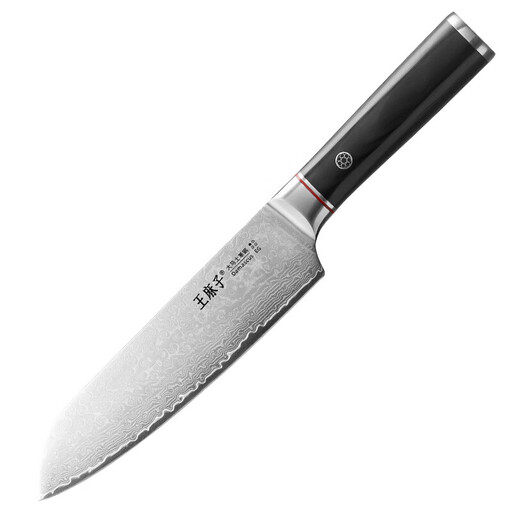
Why this fits: A santoku knife is handy if you want to cut vegetables, fruit and meat with one knife without buying a large knife block. The product name and description mention multipurpose use for home cooking.
You choose one specific type of knife instead of a large set with unused knives. Check the exact dimensions and care instructions on the product page before buying.
Santoku shape for multiple everyday cutting tasks; manufacturer mentions Damascus steel in the product name.

Why this fits: This model has clearly described material and size details. That makes it suitable for anyone who wants to compare a santoku knife on steel type, blade length and care.
The product description mentions X50CrMoV15 steel, a 17 cm blade and recommends hand washing. The brand’s claim about sharpness should be read as a claim from Wüsthof, not as an independent guarantee.
High-carbon stainless steel; 17 cm blade; synthetic handle; according to the product information, forged from a single piece of steel.
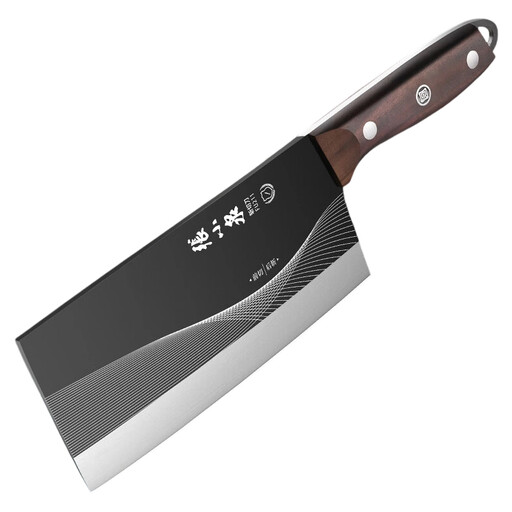
Why this fits: This bone cleaver is designed for a clearly defined task. It suits butchers, home cooks and anyone who regularly prepares ribs, poultry or other hard parts.
You won’t use a thin vegetable or chef’s knife for bones. The stated length of 313 mm makes it clear this is not a compact everyday knife.
Stainless steel bone knife with a specific purpose and a stated overall length of 313 mm.
Browse a current selection of cook’s knives and compare models by type, material, size and use.
A chef’s knife of 18 to 20 cm or a santoku knife of 17 to 18 cm is practical for most households. Choose a chef’s knife if you prefer a longer, curved cutting motion. A santoku knife often suits those who cut vegetables, fruit and meat with short, controlled movements.
That depends on the contents and how you cook. A set can be handy if you also need a bread knife, steak knives, scissors and a sharpener. If you mainly need one chef’s knife and one small vegetable knife, buying individually can avoid unnecessary knives and storage space.
There’s no fixed schedule. How often depends on the steel, your chopping board and how frequently you use the knife. As soon as the knife cuts ingredients less cleanly, it needs attention. Follow the manufacturer’s care instructions and have a damaged edge professionally repaired rather than trying to grind out major damage yourself.
