
Vandaag of morgen in huis

Kwaliteit gegarandeerd

Welkomstaanbiedingen ontgrendelen: GRATIS bezorging | Tot 80% korting | Gratis 30 dagen JoyPlus-proefperiode
Download de app
A blunt knife, a handle that becomes slippery or a kitchen knife set with half the knives left unused in the drawer: these are common reasons for having to spend money again later. With kitchen knives, a glossy finish or the term “professional” does not tell you enough. The right choice mainly depends on the knife type, the materials used, maintenance and the way you cook.
This buying guide helps home chefs, cooking enthusiasts, households and professional cooks assess offers more effectively. You will learn which specifications matter, which marketing claims require closer scrutiny and which knife suits your everyday needs.
A knife may feel sharp when you receive it, but its lifespan depends on factors including the steel type, hardness, cutting angle and maintenance. A thin edge can be pleasant to use with vegetables, while a heavier cleaver is better suited to firmer ingredients.
So do not focus only on phrases such as “extra sharp”. Also check:
When a brand makes a specific performance claim, treat it as a brand claim. According to Wüsthof’s own product information, the Classic Ikon Santoku Knife is 20% sharper than standard knives thanks to laser-controlled sharpening and has a 14° edge. This is useful product information, but it is not a general comparison with every kitchen knife on the market.
Stainless steel knives are resistant to corrosion, but prolonged soaking, food residue and moisture can still affect the blade and fittings. Check whether hand washing is recommended. With a knife block made of wood, a dry storage location is also important.
A dishwasher can be convenient, but powerful jets of water, high temperatures and contact with other objects can damage the edge. A knife described as dishwasher-safe is not automatically the most suitable choice for a long service life.
A knife set with a block looks comprehensive, but think in advance about which tasks you carry out. For many households, a chef’s knife, a small vegetable knife and a bread knife are enough. Steak knives are mainly relevant if you regularly serve meat at the table.
Always check the contents of a kitchen knife set. One set might include a cleaver, scissors, sharpener and several steak knives, while another may consist only of a few all-purpose knives.
Stainless steel is a practical choice for everyday use. High-carbon stainless steel, such as X50CrMoV15 in the Wüsthof Classic Ikon Santoku Knife, can provide additional information about the blade’s composition and durability. Also check whether the knife is forged from a single piece of steel or has a full-tang construction. These terms say something about how the knife is made, but they do not alone determine how comfortable or sharp it will be in practice.
You can often recognise a Damascus kitchen knife by the layered pattern on the blade. Its appearance alone is no guarantee of a particular cutting performance. So also check the other specifications and care instructions.
A longer blade is not automatically more convenient. Choose a size that suits your chopping board, storage space and hand control.
A sturdy, well-fitted handle helps you hold the knife steadily. Pay attention to the transition between the handle and blade, the weight and the grip when working with wet hands. Always use a suitable chopping board and keep sharp knives out of children’s reach.
Wash knives according to the product information. Hand washing is recommended for the Wüsthof Classic Ikon Santoku Knife, and dishwasher use is discouraged. The 20 cm Wüsthof Gourmet chef’s knife is described as dishwasher-safe, but hand washing is recommended for a longer service life. Dry a knife immediately after washing and store it in a knife block, holder or protective sheath.
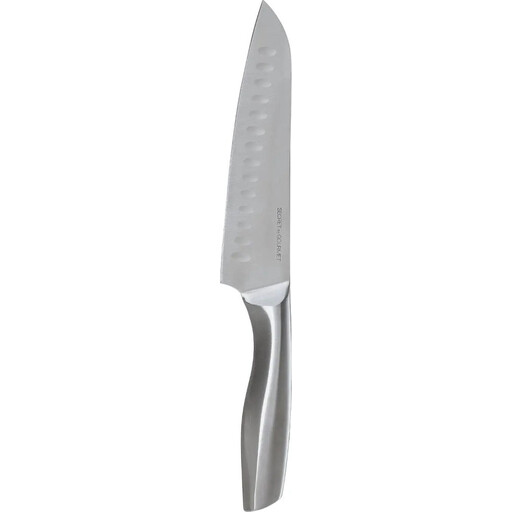
Why it suits this profile: The 18 cm blade is suitable for preparing vegetables, meat and other ingredients every day. The description specifies a fully forged stainless-steel knife with a sturdy handle.
The product information clearly states the steel type, dimensions and dishwasher suitability. This means you do not have to rely solely on the phrase “extra sharp”.
Stainless steel, fully forged construction, 18 cm blade and dishwasher suitability according to the product description.

Why it suits this profile: This santoku knife combines a 17 cm blade made from X50CrMoV15 high-carbon stainless steel with a polyoxymethylene handle. Its size is suitable for fine slicing, vegetables, fruit, fish and meat.
The cutting angle of 14° and the sharpening method are specified. According to Wüsthof’s own research, the knife is 20% sharper than standard knives; treat this as a brand claim, not a universal standard.
X50CrMoV15 steel, 17 cm blade, 14° double bevel and hand-washing advice for targeted maintenance.
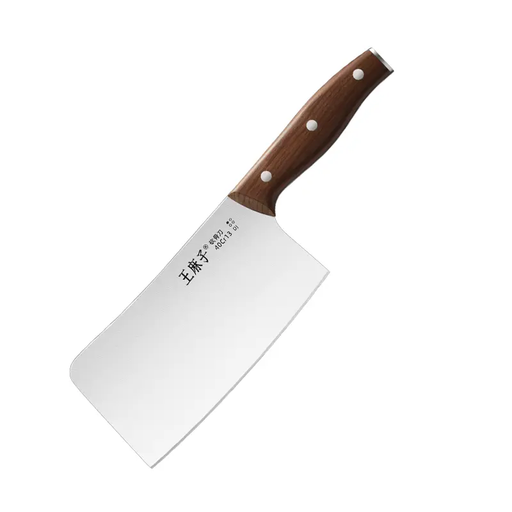
Why it suits this profile: According to the product description, this is a cleaver specifically for bones, ribs and poultry. It is suitable for users who regularly prepare large cuts of meat.
The choice is based on the specific intended use, not on a general versatility claim. Only use the knife on a suitable chopping board and follow the safety instructions.
Forged construction, high-carbon steel according to the product description and an ergonomic handle with a non-slip function.
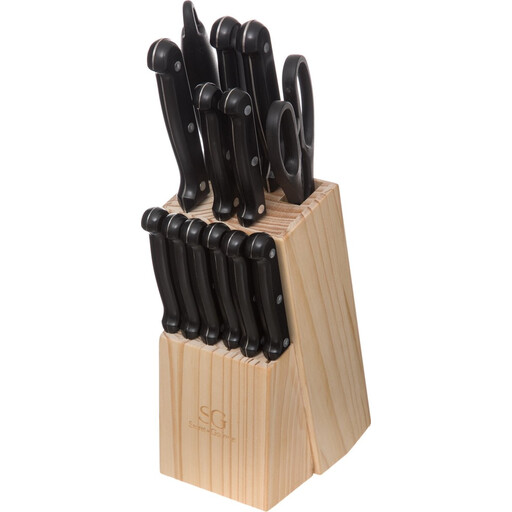
Why it suits this profile: The set contains a chef’s knife, bread knife, three other kitchen knives, six steak knives, scissors and a knife sharpener in a wooden block.
The contents are clearly listed, so you can assess whether you will actually use the extra knives. The set is not dishwasher-safe, so hand washing is part of its maintenance.
13-piece set, wooden block, sharpener and steak knives included; total product weight is approximately 1.84 kg.
We have compiled a complete, up-to-date list of products that fully meet these strict selection criteria and the applicable European safety regulations.
For most households, a chef’s knife, a small vegetable knife and a bread knife are sufficient. If you often serve meat, you can add steak knives or a carving knife. A cleaver is mainly useful for preparing poultry, ribs or bones.
It varies by product. Some knives are described as dishwasher-safe, while others require hand washing. Even with dishwasher-safe models, hand washing can help keep the edge and handle in good condition for longer.
This depends on how often you cook, which ingredients you cut and what cutting surface you use. Check whether the knife feels blunt and moves less smoothly through ingredients. A knife set with a block and sharpener can be practical, but use the included sharpener according to the manufacturer’s instructions.
