
Vandaag of morgen in huis

Kwaliteit gegarandeerd

Welkomstaanbiedingen ontgrendelen: GRATIS bezorging | Tot 80% korting | Gratis 30 dagen JoyPlus-proefperiode
Download de app
A good kitchen knife doesn’t have to be expensive. What matters is that it suits the way you cook, the space you have available and the level of maintenance you’re prepared to do. If you only focus on a shiny blade or words like “professional”, you risk paying for features that make little practical difference.
In this buying guide, you’ll learn what to look for in kitchen knives, which specifications you can actually verify, and which type suits different users. After that, we’ll share some specific recommendations for a single kitchen knife or a kitchen knife set.
A knife can come out of the packaging razor-sharp, but that tells you little about long-term maintenance. The cutting angle, steel type, heat treatment and storage method all play a role. A hard blade can stay sharp for longer, but may be more difficult to sharpen yourself.
So don’t just focus on terms like “razor sharp”. Instead, check:
A knife set with ten or thirteen pieces may look appealing, but most home cooks mainly use a chef’s knife, a utility knife and a bread knife. Unused knives take up space and push up the purchase price.
A compact knife set is usually more practical when you’re starting from scratch. If you already have a bread knife or a small kitchen knife, a single chef’s knife or santoku knife can be a more logical addition.
“Stainless steel” doesn’t mean a blade will never stain or need maintenance. Acids, moisture and prolonged contact with food residue can affect the surface. Likewise, “forged” isn’t automatically a guarantee of a better knife; balance, handle and sharpening options are at least as important.
A 20 cm chef’s knife offers more cutting surface and is handy for large vegetables, meat and spacious chopping boards. For smaller hands, compact kitchens or more precise work, a 16 cm chef’s knife may feel more comfortable.
A 17 cm santoku knife offers a middle ground. Its broad shape works well for vegetables, fish and meat. Small dimples on the blade can, according to the product description, help prevent sliced ingredients from sticking. That effect also depends on the food and your cutting technique.
Many kitchen knives are made from stainless steel, for example X50CrMoV15. This is a common steel type in German kitchen knives. Check whether the product page actually states the steel type, and see if hand washing is recommended.
With a Damascus or high-carbon steel knife, extra care is needed when drying and storing. Any brand claim about sharpness or hardness should be treated as information from the product description. According to Wüsthof’s own information, the Classic Ikon Santoku knife has a cutting angle of 14 degrees and an X50CrMoV15 blade. This is a product specification, not a guarantee that every user will have the same cutting experience.
A full-tang construction runs all the way through the handle. This can contribute to a sturdy connection and predictable balance. Also pay attention to:
Storage matters too. A knife block protects the cutting edge better than storing knives loose in a kitchen drawer. Use a wooden or plastic chopping board where possible, and avoid glass, stone and metal.
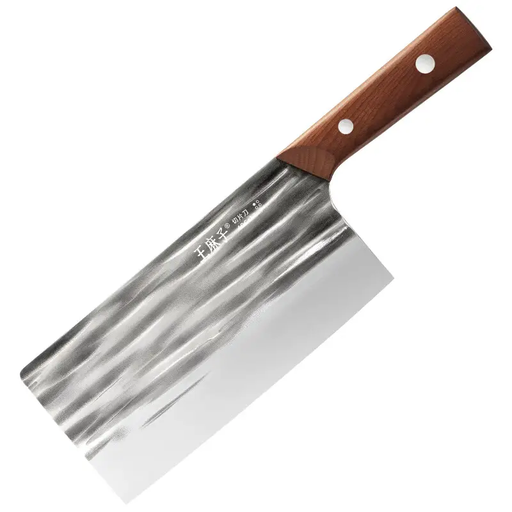
Why this fits the profile: This single stainless steel kitchen knife is designed for everyday cutting of meat, vegetables and fruit. You’re not buying an unnecessary set when you first want to find out which size suits you.
The product information mentions a multi-functional design and hand washing as maintenance. No unnecessary claim is made about dishwasher use or a specific professional application.
Stainless steel blade, ergonomic handle and suitable for multiple everyday cutting tasks.
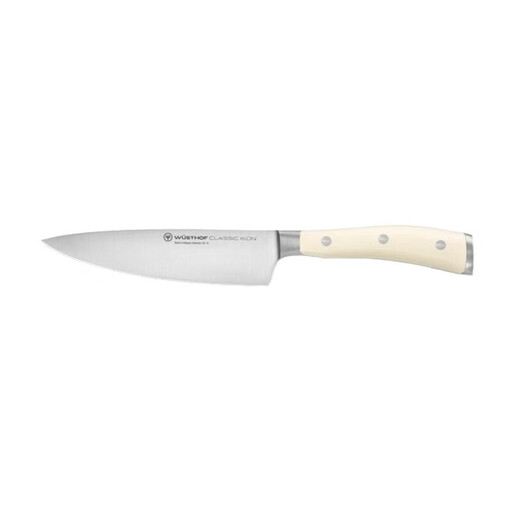
Why this fits the profile: The 16 cm length is manageable for daily use, and the product description mentions a full-tang construction, a synthetic handle and a stainless steel blade.
The specifications clearly state the construction, blade length and material. This allows you to compare the knife on facts rather than just appearance.
16 cm blade, full-tang design and ergonomic handle with finger guard according to the product description.
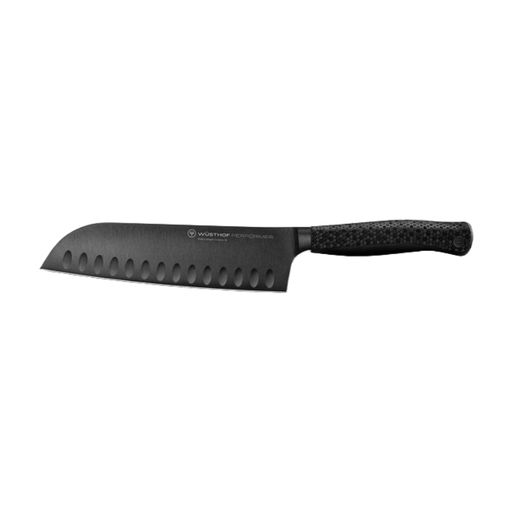
Why this fits the profile: This 17 cm santoku knife is designed for those who frequently prepare vegetables, meat, fish and other ingredients, and want a specific knife format alongside a chef’s knife.
The maintenance requirement is clear: hand washing and immediate drying are recommended. This prevents you from treating a Damascus-style blade as if it were dishwasher-safe without limitations.
17 cm blade, ergonomic synthetic handle and a product description that mentions use for vegetables, meat and seafood.
We’ve put together a full, up-to-date list of products that fully meet these strict selection criteria and comply with current European safety regulations.
Choose a single knife if you already have basic tools or know exactly which type you need. A knife set makes more sense for a new kitchen or when you want to cover several cutting tasks at once. Always check the contents of a set. A set with a chef’s knife, bread knife and utility knife is more practical for most households than a large block with several steak knives you rarely use.
Also pay attention to the cleaning instructions. Some product pages state that a knife is dishwasher-safe, but hand washing can help extend the life of both the blade and handle. Always follow the manufacturer’s specific instructions.
A chef’s knife of 16 to 20 cm is a versatile choice for vegetables, herbs, meat and fish. Choose 16 cm if you want a compact, manoeuvrable knife. A 20 cm chef’s knife offers more cutting surface for larger ingredients.
No. Both are multi-purpose, but the shape differs. A santoku knife typically has a straighter cutting edge and a wider blade. A chef’s knife often has a curved cutting edge that suits a rocking motion. Your choice depends on your technique and preference.
Wash the knife according to the product instructions, dry it immediately and use a suitable chopping board. Store it in a knife block, protective sheath or drawer insert. Regularly sharpen or hone the blade with an appropriate tool, and don’t use it on glass, stone or metal.
