
Vandaag of morgen in huis

Kwaliteit gegarandeerd

Welkomstaanbiedingen ontgrendelen: GRATIS bezorging | Tot 80% korting | Gratis 30 dagen JoyPlus-proefperiode
Download de app
A good kitchen knife doesn’t have to be expensive. What matters most is that it suits the way you cook, the ingredients you use and the space you have to store it safely. So, if you’re looking to buy kitchen knives, it pays to look beyond claims such as “extra sharp”, “professional” or “indestructible”.
Three common pitfalls are worth watching out for:
The knife you choose affects how safely and efficiently you work.
A stainless steel kitchen knife is popular because it’s relatively easy to care for and more resistant to rust than untreated steel. However, stainless steel doesn’t mean every knife has the same properties. Check the exact type of steel if it’s listed, and also consider the handle, thickness and finish.
For example, the Wüsthof Classic Ikon Santoku Knife is listed as made from X50CrMoV15 high-carbon stainless steel. The product description also specifies a 17 cm blade and a synthetic handle. These are verifiable details that tell you more than simply calling it a “sharp kitchen knife”.
A knife will only stay comfortable to use if you handle it correctly. Here are a few practical tips:
A product may be described as dishwasher-safe, but hand-washing is often a sensible choice if you want it to last longer. For example, the Wüsthof Gourmet Chef’s Knife is listed as dishwasher-safe, although hand-washing is recommended to extend its lifespan.
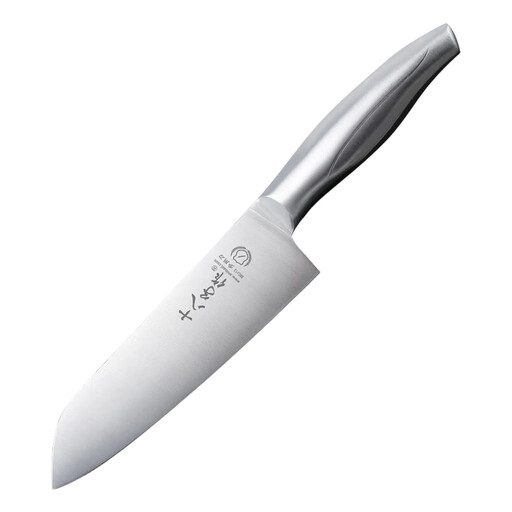
Why it suits this profile: A versatile stainless steel kitchen knife can be a practical first purchase for everyday prep of vegetables, fruit and meat.
The product name specifies stainless steel and a multi-purpose design. Before buying, check the exact dimensions and care instructions on the product page.
Stainless steel construction and a multi-purpose design for everyday kitchen tasks.

Why it suits this profile: This santoku knife is aimed at anyone who values a specific type of steel, an ergonomic handle and a compact blade for fine slicing.
The description specifies the X50CrMoV15 material, the 17 cm blade and hand-washing as the recommended care method. This makes key buying criteria clearer.
High-carbon stainless steel, a 17 cm blade and an ergonomic synthetic handle.
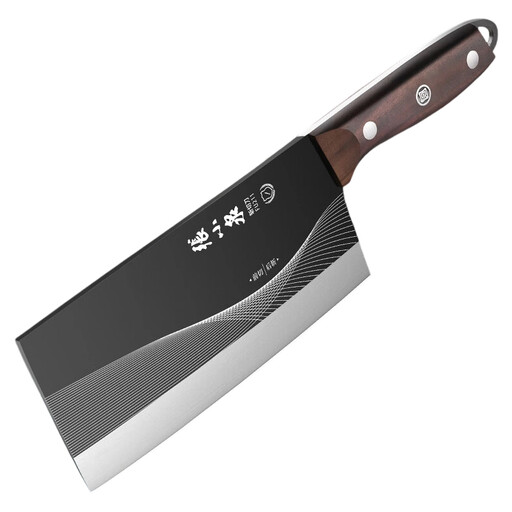
Why it suits this profile: A thicker boning knife is designed for people who regularly prepare meat, poultry or larger cuts and want a specialist tool for the job.
The product name makes clear that it is designed for cutting bone. So don’t use it as an all-purpose chef’s knife, and check the exact specifications before use.
Stainless steel construction and a design specifically intended for cutting bone.
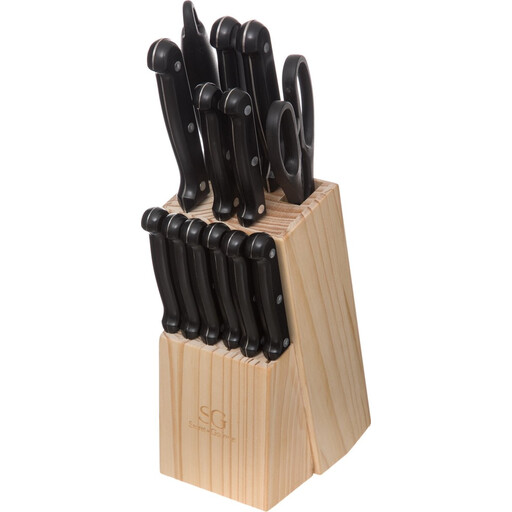
Why it suits this profile: This knife set includes a chef’s knife, bread knife, smaller knives, steak knives, a pair of scissors and a sharpener, making it suitable for a household with a variety of kitchen tasks.
The set contents are specified, so you can decide in advance whether you’ll use all the different pieces instead of focusing only on the number of knives.
13-piece set with a wooden block, sharpener and scissors; according to the product information, it is not dishwasher-safe.
We’ve put together a complete, up-to-date list of products that meet these strict selection criteria and the applicable European safety regulations.
For most households, a chef’s knife with an 18 to 20 cm blade is a practical place to start. You can use it to prepare vegetables, herbs, meat and fruit. If you mostly cut vegetables, fish and smaller ingredients, you could also choose a santoku knife of around 17 cm. A bread knife and paring knife are useful additions if you regularly tackle those tasks.
Its lifespan depends on the steel, chopping board, care and frequency of use. A knife used only on a suitable board and washed by hand will generally keep its cutting performance for longer. Sharpening restores the edge, but it can’t always fully repair a damaged knife or one that has been used incorrectly.
It depends on your cooking habits. A knife set can be practical if you need several types of knife, a pair of scissors and a sharpener. If you usually cook with just one chef’s knife, buying a single kitchen knife may mean fewer unused pieces. So always compare the contents, material, care requirements and storage space available.
