
Vandaag of morgen in huis

Kwaliteit gegarandeerd

Welkomstaanbiedingen ontgrendelen: GRATIS bezorging | Tot 80% korting | Gratis 30 dagen JoyPlus-proefperiode
Download de app
A good kitchen knife should suit your cooking style, worktop and cleaning routine. Yet many shoppers buy a large knife set based on the number of pieces or an eye-catching coating. This can leave you with knives you rarely use, that quickly feel blunt or are difficult to store safely.
The main pitfalls when choosing kitchen knives are:
A small selection is often enough for everyday cooking. Start by considering the tasks you do regularly.
A chef’s knife is suitable for chopping vegetables, herbs, meat and poultry. A blade of around 16 to 20 cm offers a practical balance between cutting space and control. A longer knife is useful for larger ingredients, while a shorter model may be easier to handle if you have smaller hands or limited worktop space.
A santoku knife usually has a wide blade and is designed for finely slicing vegetables, herbs, fish and meat. Models in this category often have a relatively straight cutting edge. Consider the overall length and weight: a 17 or 18 cm knife may feel nimble, while a heavier model offers more stability.
A bread knife with a serrated edge cuts through a hard crust without squashing soft bread. It is also useful for cake and some soft fruits. As well as checking the blade, make sure the handle is securely attached and comfortable to hold.
A paring knife is small and light, making it useful for peeling, trimming and preparing fruit and vegetables. It is not a substitute for a chef’s knife, but it is a handy addition to a complete set.
Stainless steel knives are popular because they are relatively easy to care for and more resistant to corrosion than types of steel that react more readily to moisture. However, “stainless” does not mean you can leave your knives wet. Wash them according to the product instructions and dry them straight away.
A blade forged from a single piece of steel or extending all the way through the handle is often described as full tang. According to some brands’ product descriptions, this construction can contribute to balance and sturdiness. Treat it as a product specification, not a guarantee of a longer lifespan.
A knife should suit your hand and kitchen. Consider:
A large knife is not automatically more practical. If you mostly prepare vegetables and herbs, a santoku knife or medium-sized chef’s knife may be all you need.
Check whether the manufacturer recommends hand washing or allows dishwasher use. Product specifications vary: some 5five knives are described as dishwasher-safe, while hand washing is recommended for the Wüsthof Classic Ikon Santoku Knife.
Where possible, wash knives by hand, dry them straight away and use a wooden or plastic chopping board. Store them in a knife block, knife bag or individual protective sheath. A knife set with a knife block is especially useful if you have limited drawer space and want to keep your knives close to hand.
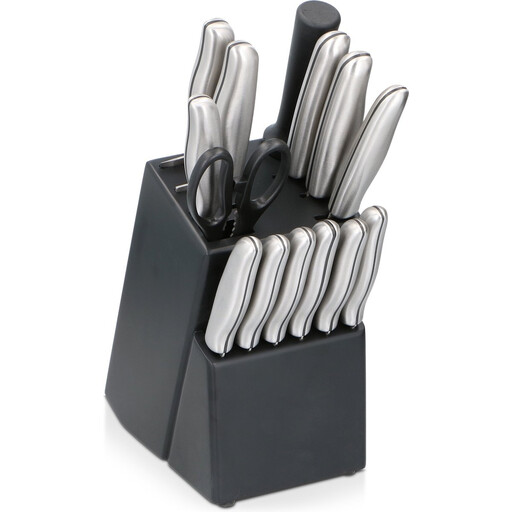
Why it suits this type of user: According to the product information, this complete kitchen knife set includes 13 knives, a knife block and a pair of scissors. It gives beginners a good range of options for everyday cooking without having to put together individual pieces.
The number and type of pieces are clearly listed. This lets you decide in advance whether you need a complete set and how to store the knives safely.
13 knives, a pair of scissors and a black knife block; stainless steel according to the product description.
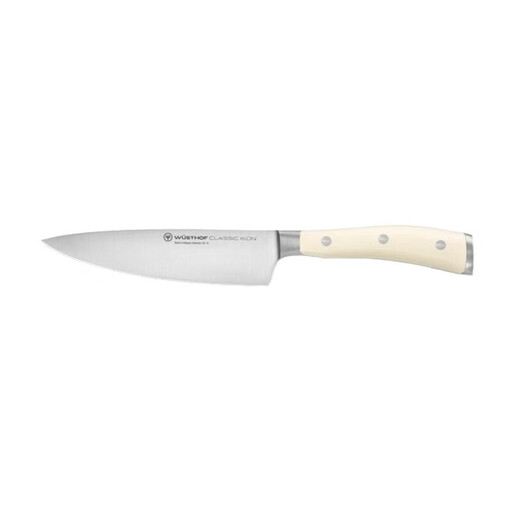
Why it suits this type of user: This 16 cm chef’s knife is for anyone who would rather use one carefully chosen knife for a range of chopping tasks and values balance and grip.
Choosing a single knife means you do not pay for pieces you will not use. The product information lists a 16 cm blade and full-tang construction.
Stainless steel blade, ergonomic plastic handle and finger guard, according to the product description.

Why it suits this type of user: This santoku knife suits home cooks and professional users who often finely slice vegetables, herbs, fish or meat and want a wide, relatively compact knife.
The specifications list the type of steel, the 17 cm blade length and the recommendation to hand wash. This makes the material, size and care requirements clear before you buy.
X50CrMoV15 high-carbon stainless steel and a synthetic handle; according to the brand description, the knife has a 14-degree sharpening angle.
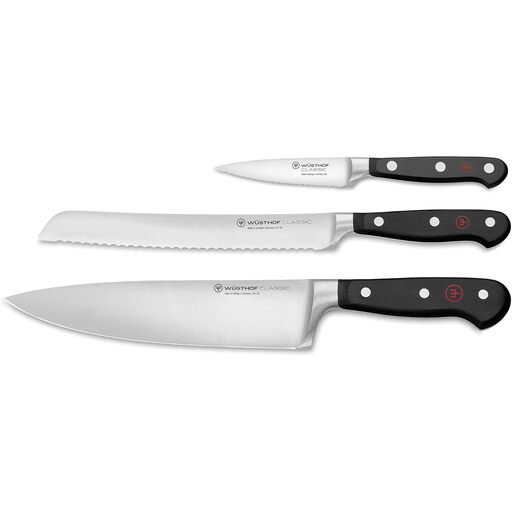
Why it suits this type of user: The set combines a chef’s knife, bread knife and paring knife. It is a straightforward choice for households that tackle a range of kitchen tasks but do not want a large knife block.
The set is limited to three knives with familiar uses, so you are not paying for a large number of knives you rarely use.
Three knives for everyday tasks, stainless steel blades and ergonomic plastic handles, according to the product information.
We’ve put together a complete, up-to-date list of products that meet these strict selection criteria and the applicable European safety regulations.
For most households, a chef’s knife, bread knife and paring knife are enough. Add a santoku knife if you often finely slice vegetables, herbs, fish or meat. A larger knife set is only worthwhile if you will use the extra knives and have somewhere safe to store them.
It depends on the steel, how you use the knife, your chopping board and how you care for it. A knife will generally stay usable for longer if you avoid chopping on glass or stone, do not leave it loose in a drawer, and have the blade sharpened periodically or hone it with a suitable tool. Claims about sharpness or how long a blade stays sharp come from the product description or brand, so treat them as information to compare rather than a guarantee.
It varies by model. Some products are described as dishwasher-safe, while others, including certain Wüsthof knives, are recommended for hand washing. Always check the care instructions on the product page. Hand washing and drying straight away are usually a sensible way to help keep the blade, handle and edge in good condition for longer.
