
Vandaag of morgen in huis

Kwaliteit gegarandeerd

Welkomstaanbiedingen ontgrendelen: GRATIS bezorging | Tot 80% korting | Gratis 30 dagen JoyPlus-proefperiode
Download de app
A good kitchen knife can be the difference between a chore and a joy in the kitchen. But the search for the right knives often feels like navigating a maze. Countless brands, materials, and sets promise the world. As a Joybuy Product Recommendation Officer, I'll help you cut through the marketing claims and make a choice that suits your kitchen.
Before you invest, it's important to recognise a few common pitfalls:
To avoid buyer's remorse, it's helpful to focus on a few concrete specifications. These determine how a knife performs and how long it will last.
The material is the core of any knife. The most common options each have their own pros and cons.
A single knife set is rarely the solution for everything. Different tasks require different knives:
Below are a few options tailored to different user profiles, based on their objective specifications.
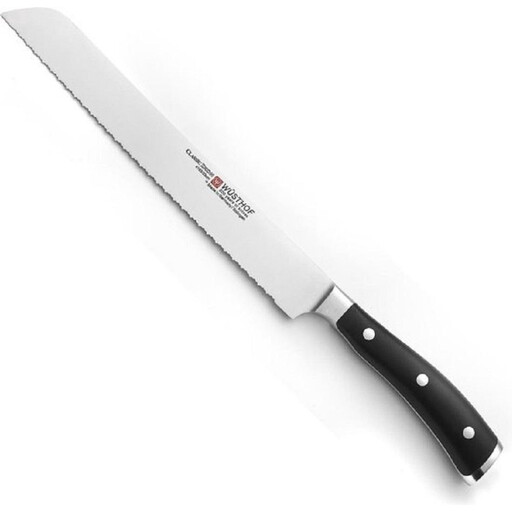
Why This Fits Their Persona: For those who regularly buy or bake fresh bread and value German craftsmanship. This knife is an investment in a specific task you want to perform perfectly, time and time again.
This isn't part of a mediocre set, but a specialised, high-quality knife. The steel specification (X50CrMoV15) is clear and guarantees quality.
The double-serrated edge cuts cleanly without tearing. The knife is forged from a single piece of steel, ensuring excellent balance and durability.
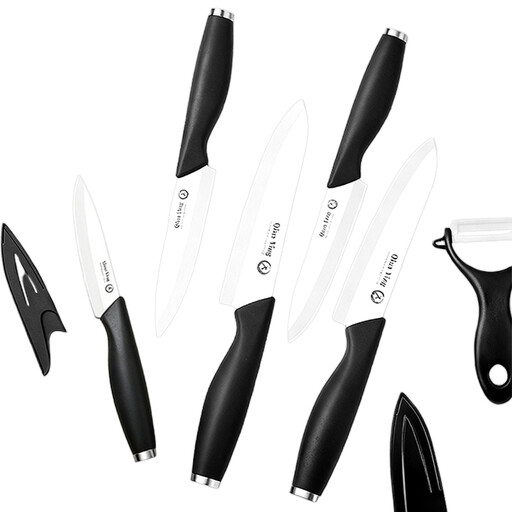
Why This Fits Their Persona: Ideal for those seeking an affordable and comprehensive set for everyday, light cutting tasks. No-fuss sharpening and a lightweight design for easy handling.
This set bypasses the "maintenance-free" myth by being honest about its purpose: it's a set of ceramic knives for light-duty use. Know what to use it for (vegetables, fruit) and what not to (bones, frozen food).
You get a complete starter kit, including a peeler, for a very accessible price. The knives are lightweight and won't absorb odours or flavours.
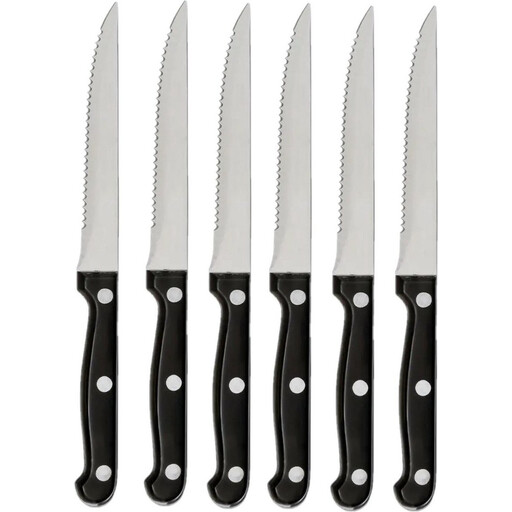
Why This Fits Their Persona: Perfect for those who regularly enjoy a meal at home with meat or pizza and want the proper cutlery for it. Functional and stylish for the dinner table.
This set doesn't pretend to be something it's not. It's a set of steak knives, designed purely for use at the table. It doesn't clutter a kitchen knife collection with unnecessary items.
The serrated edge is ideal for cutting meat and pizza without tearing. You get a complete set of 6 for a fully set table.
We have compiled a complete, real-time list of products that fully satisfy these strict selection criteria and UK safety regulations.
Although they are both all-rounders, the difference lies in the blade shape. A chef's knife has a more curved belly, making it ideal for the "rocking" chopping motion. A santoku knife is straighter and often lighter, making it suitable for precise, downward cuts. The choice is largely personal and depends on your preferred cutting technique.
Proper maintenance significantly extends the life of your knives. Always wash them by hand, not in the dishwasher. The aggressive detergents and high temperatures can damage the steel and the handle. Dry the knife immediately after washing to prevent rust, especially with carbon steel. Store knives in a knife block or on a magnetic strip to protect the blade.
Not necessarily better, but different. Ceramic knives are superior in edge retention for light tasks like slicing fruit and vegetables without a peel. Steel knives are more versatile and robust. They can take a beating, are suitable for heavier tasks, and, unlike a chipped ceramic knife, can always be resharpened. For most kitchens, a good steel chef's knife is the most practical foundation.
