
Vandaag of morgen in huis

Kwaliteit gegarandeerd

Welkomstaanbiedingen ontgrendelen: GRATIS bezorging | Tot 80% korting | Gratis 30 dagen JoyPlus-proefperiode
Download de app
A good kitchen knife makes cooking easier and more enjoyable. But the search for the right one can be frustrating. The market is flooded with marketing claims and sets that promise more than they deliver. As a Product Recommendation Officer at Joybuy, I'm here to help you cut through the noise. We'll focus on what really matters, so you can choose a knife that will last for years.
Before you invest, it's important to recognise the most common pitfalls.
To avoid a bad purchase, there are a few technical specifications you need to check. These determine the performance and durability of your kitchen knives.
Most professional kitchen knives are made of stainless steel (stainless steel knives), but there are significant differences in quality. A common, reliable type of steel is X50CrMoV15, known from brands like Wüsthof. This type of steel offers a good balance between sharpness, durability, and rust resistance.
The hardness of the steel is expressed in HRC (Hardness Rockwell C).
The way a knife is made directly impacts its balance and lifespan.
A good starter collection doesn't have to be large. Focus on the knives you will actually use:
Below are some popular choices, matched to different user profiles.
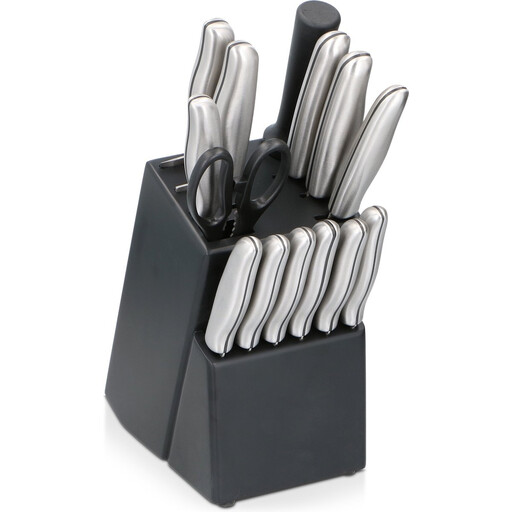
Why This Fits Your Persona: Ideal for those looking for a complete and functional starter set without a major initial investment. This set provides all the essential knives for daily tasks, neatly stored in a modern knife block.
This set bypasses the "useless knives" pitfall by offering a practical selection, including a chef's knife, bread knife, santoku knife, and steak knives, which are genuinely used in an average household.
The knives are made from stainless steel, making them durable and easy to maintain. The knife block ensures safe and organised storage.

Why This Fits Your Persona: For the chef who is ready for a serious upgrade. This knife offers professional performance and durability for home use. It's a versatile all-rounder for finely slicing vegetables, fish, and meat.
This knife tackles the "dulls quickly" pitfall. It is forged from a single piece of high-quality X50CrMoV15 steel, ensuring excellent edge retention. According to Wüsthof, their sharpening technology provides long-lasting sharpness.
The forged construction and half-bolster provide perfect balance and make it easy to sharpen the entire blade. The ergonomic handle fits comfortably in your hand, even during prolonged use.
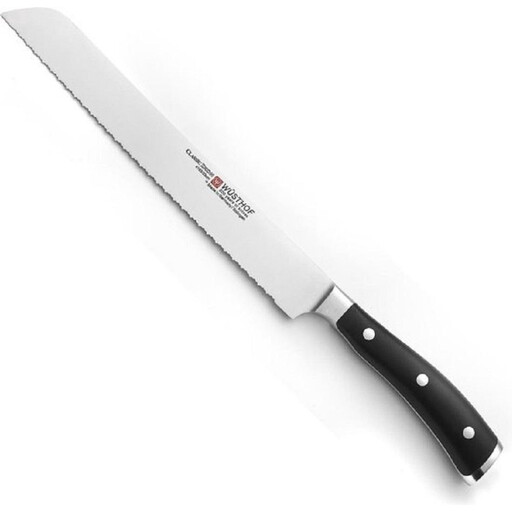
Why This Fits Your Persona: For anyone who regularly bakes or buys bread. This knife is specially designed to cut through hard crusts and soft crumbs without crushing the loaf. An indispensable tool for the perfect slice.
This knife solves the "wrong tool for the job" problem. Instead of using a chef's knife and crushing your bread, this specialised knife with double serration provides a clean, efficient cut every time.
The blade features a precision double-serrated edge, which ensures an exceptionally smooth cut through both hard and soft crusts. It is forged from high-quality steel for a long lifespan.
We've compiled a complete, up-to-date list of products that meet these strict selection criteria.
Although many manufacturers state that their stainless steel knives are dishwasher-safe, it is generally not recommended. Harsh detergents, high temperatures, and contact with other metals can dull the blade and damage the handle. Hand washing with mild soap is the recommended method to ensure the longevity and sharpness of your knives.
The main difference lies in the shape of the blade and the cutting technique. A chef's knife has a more curved blade, which is ideal for a rocking cutting motion. A santoku knife has a straighter cutting edge and a blunter tip. This makes the knife more suitable for a straight-down chopping and slicing motion. The choice depends on your personal preference.
This depends on the steel type, hardness, and how often you use the knife. A good habit is to hone your knife with a honing steel before each use. This realigns the edge and keeps the knife sharper for longer. True sharpening (removing material) is only necessary when honing no longer helps. For the average home cook, this might be once every few months to a year.
