
Vandaag of morgen in huis

Kwaliteit gegarandeerd

Welkomstaanbiedingen ontgrendelen: GRATIS bezorging | Tot 80% korting | Gratis 30 dagen JoyPlus-proefperiode
Download de app
A good kitchen knife makes cooking easier and more enjoyable. A bad one leads to frustration and can even be dangerous. Yet, the search for the right kitchen knives is often unnecessarily complicated. Manufacturers use vague marketing terms and offer sets that seem like a bargain at first glance but prove disappointing in practice.
As a Joybuy Product Recommendation Officer, I'll help you cut through the noise. We'll focus on what truly matters so you can make an informed decision. First, let's discuss the most common pitfalls.
To avoid a bad purchase, it's crucial to pay attention to a few objective specifications. These determine the performance and lifespan of your knife.
The type of steel is the most important factor for edge retention and durability.
The way a knife is made affects its sturdiness and balance.
Not every knife is suited for every task. A basic setup often starts with a versatile chef's knife, but you can expand your collection depending on your cooking style.
Below are a few products that suit different user profiles, selected based on their specifications and intended use.
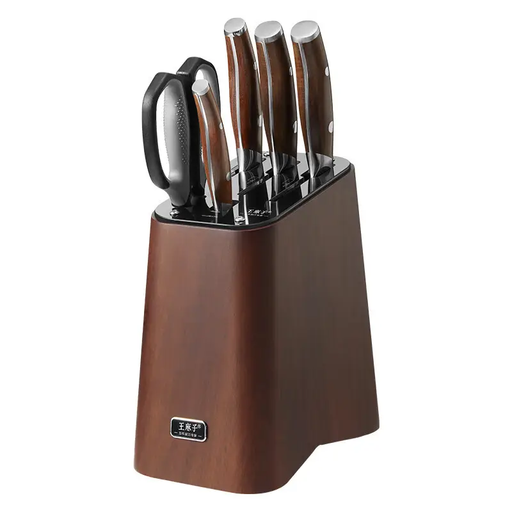
Why This Fits Their Persona: Ideal for those seeking a functional foundation without investing in expensive individual knives. This set provides the essential tools for the most common tasks in any kitchen.
This knife set avoids the pitfall of redundant pieces. Instead of filler steak knives you rarely use, it includes a practical cleaver, a utility knife, and kitchen shears.
The set includes a specific knife for bones (cleaver) and shears, features often missing in other starter sets that offer immediate value in the kitchen.
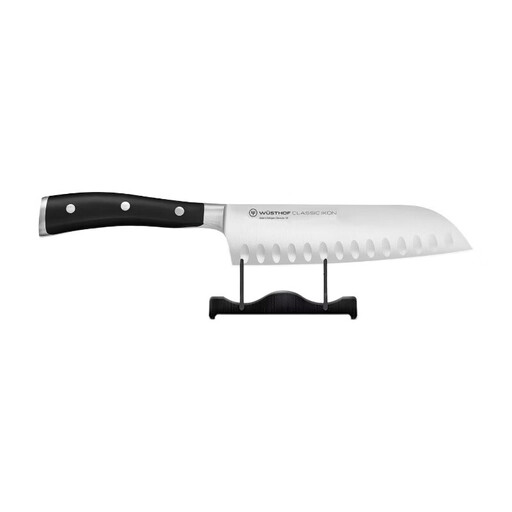
Why This Fits Their Persona: For the home cook who invests in a single, premium tool. This knife is a durable, perfectly balanced, and razor-sharp workhorse for daily, intensive use.
This knife is made from specified X50CrMoV15 German steel and is forged from a single piece. This offers transparency and a guarantee of balance and durability, unlike knives with vague claims.
Produced in Solingen, Germany, and undergoes a laser-controlled sharpening process. The half bolster (transition from blade to handle) makes sharpening the entire blade easier.
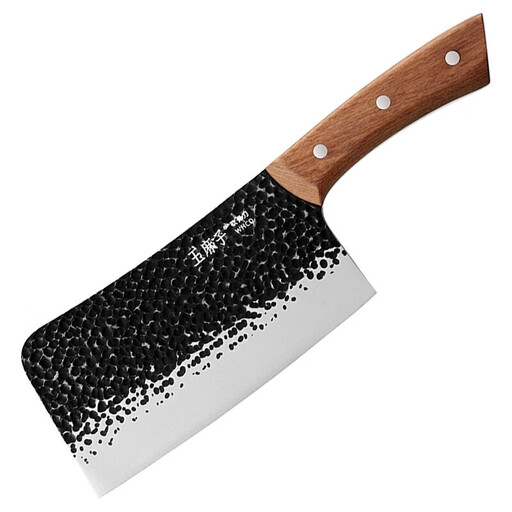
Why This Fits Their Persona: Specifically designed for the cook who regularly cleaves bones, portions spareribs, or needs to break through hard rinds (like pumpkin or coconut). This is a specialized tool.
This isn't a general-purpose knife trying to do everything. It's a heavy, robust cleaver with a purpose-built design for power and control, preventing the frustration of using a knife that's too light or unsuitable for heavy work.
The weight and thick spine of the blade are perfectly balanced for powerful, clean strikes. This ensures that bones split without splintering the surrounding meat.
We have compiled a complete, up-to-date list of products that fully meet these strict selection criteria and local regulations.
This depends on how intensively you use them. For daily maintenance, a honing steel is sufficient to keep the edge straight. Depending on use, the knife should be sharpened every few months to once a year with a knife sharpener or whetstone to actually remove material and create a new, sharp edge.
A European chef's knife has a curved blade and a sharp point, making it ideal for the "rocking-chop" motion. A Chinese chef's knife (also called a cai dao) looks more like a cleaver but is generally thinner and lighter. Its wide, rectangular blade is very versatile: you can use it to chop, slice, crush (e.g., garlic), and scoop up the cut ingredients.
It is strongly discouraged. Even if the manufacturer states it's dishwasher-safe, the high temperatures, harsh detergents, and contact with other objects in the dishwasher can damage the blade, its sharpness, and the handle. Hand washing with mild soap and drying it immediately is the recommended method to maximize the lifespan of your knives.
