
Vandaag of morgen in huis

Kwaliteit gegarandeerd

Welkomstaanbiedingen ontgrendelen: GRATIS bezorging | Tot 80% korting | Gratis 30 dagen JoyPlus-proefperiode
Download de app
You're looking for good kitchen knives. You see terms like "professional chef's knife" and complete knife sets that promise the world. But after a few months, that sharp knife is dull, and you only use two of the ten knives from that expensive set. Sound familiar? Many marketing claims make choosing a good kitchen knife unnecessarily complicated. We'll help you avoid the pitfalls and focus on what really matters.
The most common pitfalls when choosing kitchen knives are:
knife set might seem like a good deal, but you often pay for knives you'll never use. It's smarter to start with a few essential, high-quality knives, like a good chef's knife and a paring knife, and expand your collection later.To avoid a bad purchase, it's helpful to pay attention to a few technical specifications. These aren't complex details, but practical features that make a difference in daily use.
Not all stainless steel knives are created equal. The type of steel is crucial for performance.
The way a knife is made affects its balance and durability.
professional chef's knife often is, is crafted from a single piece of steel. This results in a heavier, stronger, and better-balanced knife with a bolster (the thick junction between the blade and the handle).A complete kitchen setup doesn't need to be large, but it must be functional. These are the essentials:
We have selected a few products that suit different needs and budgets, based on their specifications and functionality.
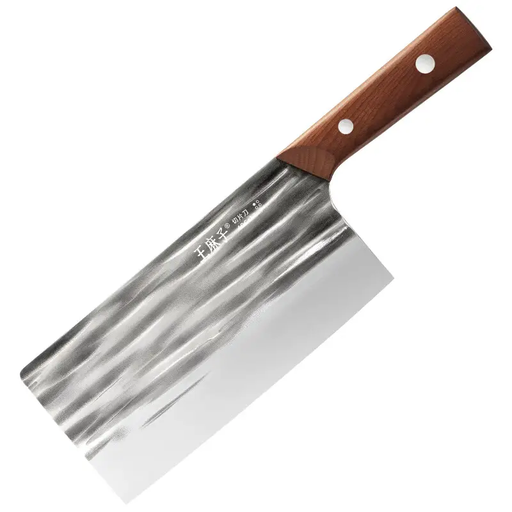
Why This Fits Their Persona: This is a perfect all-rounder for daily cutting tasks like slicing meat and vegetables. No frills, just a functional and sharp knife at an accessible price, ideal for anyone looking for a reliable first knife.
This isn't part of a superfluous set, but a single, versatile knife. It focuses on the core function: cutting well for everyday meals.
Made of stainless steel that is sharp and easy to maintain. The ergonomic handle provides a stable grip while cutting.
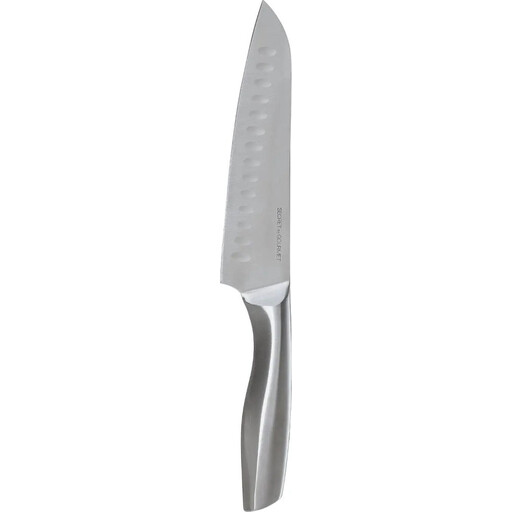
Why This Fits Their Persona: A santoku knife is an excellent addition for those who already own a basic chef's knife and are looking for more precision. Ideal for finely slicing vegetables, fish, and boneless meat.
This knife is fully forged from a single piece of steel, a hallmark of durability often missing from cheaper knives with vague "professional" claims.
The forged construction provides excellent balance and sturdiness. According to the manufacturer, the knife is dishwasher-safe, which simplifies maintenance.
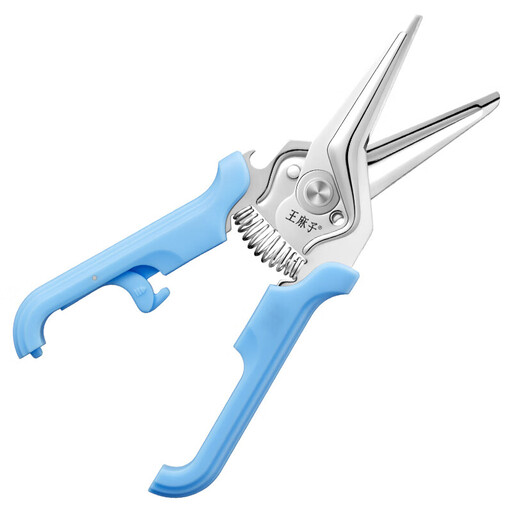
Why This Fits Their Persona: For tasks where a knife isn't ideal. These kitchen shears are designed for heavy-duty work, like cutting poultry, snipping through small bones, or opening stubborn packaging.
This is a specific tool that fills a common gap in a standard knife set. It's more functional than a generic, flimsy pair of scissors.
Made from sturdy 30Cr13 stainless steel for sharpness and durability. The PP handles offer a firm grip for extra power and safety.
We have compiled a complete, up-to-date list of products that meet these selection criteria and applicable regulations.
This depends on usage and steel quality. A general rule is to sharpen your knives a few times a year with a whetstone or sharpener. A honing steel can be used more frequently (even weekly) to keep the edge aligned and sharp between sharpenings.
Not always. You often pay for knives you'll rarely use. It's usually wiser to invest in a few individual, high-quality kitchen knives that you actually need, like a chef's knife and a paring knife. You can always expand your collection later with a bread knife or santoku knife.
Although some manufacturers state that their stainless steel knives are dishwasher-safe, hand-washing is almost always better. Harsh dishwasher detergents, high temperatures, and contact with other metal can damage the blade and handle and reduce its sharpness. Washing by hand and drying immediately will significantly extend its lifespan.
