
Vandaag of morgen in huis

Kwaliteit gegarandeerd

Welkomstaanbiedingen ontgrendelen: GRATIS bezorging | Tot 80% korting | Gratis 30 dagen JoyPlus-proefperiode
Download de app
A new kitchen knife set can seem easy to choose: more knives, an attractive knife block and terms such as “professional”, “extra-sharp” or “Damascus” all sound convincing. But you may end up paying for knives you rarely use, are difficult to maintain or don’t feel comfortable in your hand.
Focus instead on the selection of knives, the materials and how you’ll store them. This will help you avoid a poor purchase and choose a kitchen knife set that suits your cooking routine.
A set with 15 or 16 pieces may look appealing, but it can include several knives with similar uses. For everyday cooking, a chef’s knife, bread knife and paring knife are often more important than lots of steak knives or unfamiliar accessories.
Always check what’s included in the box. Look at the actual number of kitchen knives and see whether a knife block, kitchen scissors or sharpening aid is included.
Sharpness depends on the shape of the edge, the sharpening angle, the hardness of the steel and how the knife is maintained. A product description may call a knife extra-sharp, but this isn’t a universal measurement standard. Instead, look for verifiable details such as:
A hard or finely sharpened knife can stay sharp for a long time, but it often needs more careful handling too. Use a wooden or plastic chopping board and avoid hard surfaces such as glass or stone.
A knife set with a knife block keeps your knives together and organised, but the block takes up space and needs to be kept clean and dry. Check that the slots fit the knives and that the block is stable.
Individual knives may be more practical in a drawer insert or on a magnetic holder, as long as the edges are protected. Don’t leave kitchen knives loose in a cutlery drawer: this can damage the edges and make them less safe to pick up.
For most kitchens, this combination makes a useful starting point:
If you bake bread regularly, you’re better off adding a good bread knife than paying for several knives you’ll rarely use.
Stainless steel knives are practical for everyday use and more resistant to moisture than steel that discolours easily. However, stainless steel doesn’t mean you can skip maintenance. Wash knives according to the product instructions and dry them after cleaning.
Damascus knives often have a distinctive pattern and may use different combinations of steel. The name “Damascus” alone doesn’t tell you enough about the edge or durability. Always check the stated material and care instructions.
An ergonomic handle should feel secure and suit your hand. A plastic handle is generally easy to clean. Wood can feel comfortable to hold, but needs more care around water and the dishwasher. An all-metal or plastic design isn’t automatically more comfortable; weight and balance matter too.
A dishwasher-safe label doesn’t mean every kitchen knife will retain its edge for as long as possible. Hot water, detergent and contact with other items can put strain on the blade and handle.
Always follow the product information. The Wüsthof Classic 3-piece set is described as dishwasher-safe. For the Wüsthof Performer Santoku, hand washing is recommended instead. If you’re unsure, hand washing, drying straight away and storing knives separately are sensible precautions.
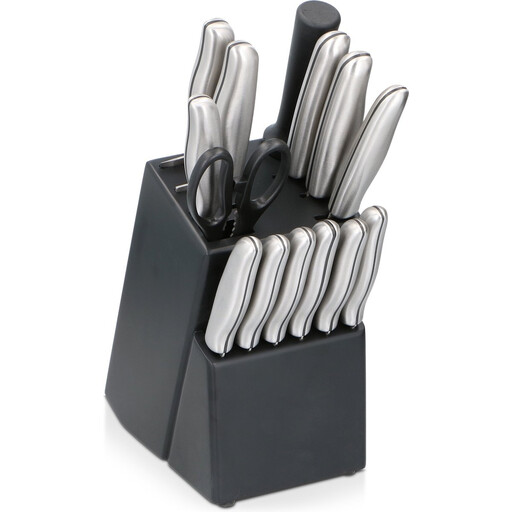
Why it suits this profile: According to the product information, the set contains 13 knives, a knife block and a pair of scissors. That gives you a broad range of options if you want to equip your kitchen in one go.
The contents are clearly specified: 15 pieces, including a chef’s knife, bread knife, paring knife and santoku knife. Just check that you’ll actually use every piece.
Stainless steel knives, a sturdy knife block and a range of blade shapes for everyday food preparation.
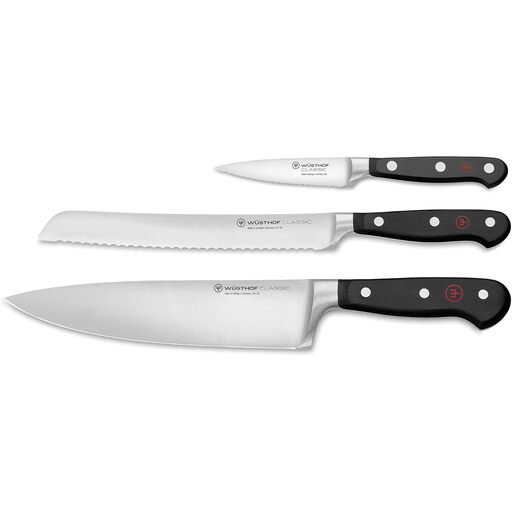
Why it suits this profile: This compact Wüsthof knife set covers three common kitchen tasks: cooking, slicing bread and peeling.
You’re not paying for a large selection of knives you’ll rarely use. The product description lists a stainless steel blade, plastic handle and dishwasher-safe design.
Three clearly specified knives, ergonomic plastic handles and a simple selection for everyday use.
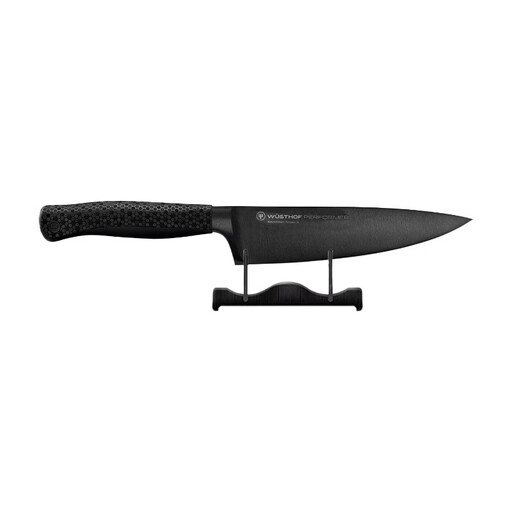
Why it suits this profile: The 20 cm blade offers a larger cutting surface if you often prepare vegetables, herbs, meat and fruit.
The product information specifies X50CrMoV15 stainless steel and a handle with an anti-slip texture. That gives you more to go on than a general claim about sharpness.
20 cm blade, specified steel type and a honeycomb-patterned handle for a secure grip.
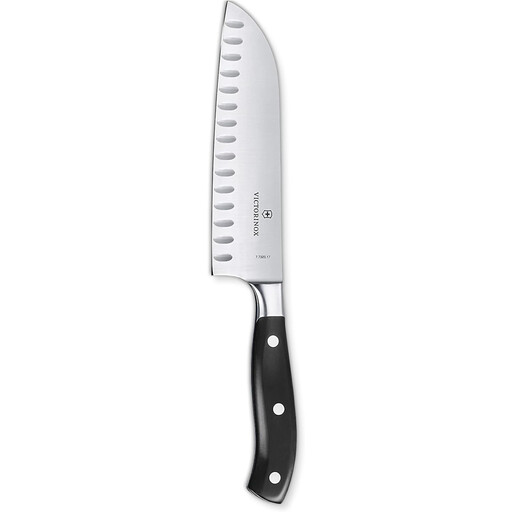
Why it suits this profile: The 17 cm santoku blade is ideal if you often cut vegetables, fish or meat and want an alternative to a classic chef’s knife.
The product information specifies the blade material, ergonomic plastic handle and small indentations in the blade. This makes its construction clearer than that of a knife with no details provided.
17 cm stainless steel blade, ergonomic handle and indentations that, according to the product description, help stop ingredients sticking to the blade.
We’ve put together a complete, up-to-date list of products that meet these strict selection criteria and current European safety regulations.
Even high-quality professional kitchen knives can lose their edge more quickly if used incorrectly. Keep these habits in mind:
According to the product information provided, these products come with a statutory warranty of at least two years. This is separate from normal wear and tear, incorrect use and damage caused by inadequate care.
For most households, three or four knives are enough: a chef’s knife, bread knife, paring knife and, if you like, a santoku knife. If you bake regularly or prepare food in large quantities, you can add individual knives.
It depends on your kitchen space and cooking routine. A block keeps knives visible and organised. Individual knives give you more freedom to buy only the types you’ll use, but you’ll need to store them safely.
They can be, but check the care instructions. For example, the Wüsthof Performer Santoku in the product selection is described as not being dishwasher-safe. In that case, hand washing and drying straight away are important. The term Damascus alone doesn’t guarantee a particular level of sharpness or service life, so always check the full product specifications.
