
Vandaag of morgen in huis

Kwaliteit gegarandeerd

Welkomstaanbiedingen ontgrendelen: GRATIS bezorging | Tot 80% korting | Gratis 30 dagen JoyPlus-proefperiode
Download de app
A kitchen knife may look impressive in a product photo, but that doesn’t automatically mean it’s comfortable, safe or practical to use. For home cooks, cooking enthusiasts and professional chefs, choosing the right knife is all about finding the right combination of knife type, size, material and care requirements.
Look out for these common pitfalls before you buy:
The knife you choose affects how much control you have when cutting.
A sharp kitchen knife isn’t necessarily suitable for every ingredient. Don’t use a bread knife on bones or a fine santoku knife as a cleaver.
Stainless steel is popular because it’s relatively easy to care for and more resistant to moisture than non-stainless steel. Some models use X50CrMoV15, a type of stainless steel found, among other places, in Wüsthof knives. Other knives are described as Damascus steel. Check whether this refers to a specific steel construction or just a decorative pattern.
A full-tang construction means the steel extends through the handle. This can contribute to stability and balance, but it doesn’t guarantee a comfortable cutting experience on its own. Also check the join between the blade and handle, the grip and the overall weight.
A shorter 16 or 17 cm knife can be practical for smaller hands, limited workspace and everyday food preparation. A 20 cm chef’s knife gives you a longer cutting edge for large vegetables, cabbage and cuts of meat.
Balance is a matter of personal preference. A knife weighing around 170 to 184 grams may feel light to some users, while others prefer a heavier cleaver. If possible, try holding the handle and check that your fingers don’t come into contact with the blade.
After use, wash your kitchen knife according to the product instructions, dry it straight away and store it out of children’s reach. A magnetic knife strip, protective sheath or knife block helps prevent the blade from knocking against other cutlery. Sharpen the knife or have it honed regularly; a blunt knife needs more pressure, which means you have less control.
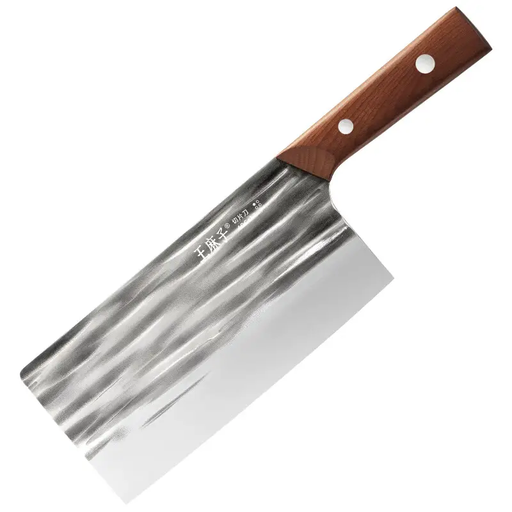
Why it suits this profile: This multi-purpose kitchen knife is designed for everyday preparation of meat, vegetables and fruit. The description mentions an ergonomic handle and recommends hand-washing after use.
The product information covers the materials, features and care requirements rather than relying on a general sharpness claim.
Stainless steel construction according to the product description; suitable for a range of everyday cutting tasks; ergonomic handle.

Why it suits this profile: The 17 cm santoku-style blade is suitable for fine chopping, vegetables, fruit, fish and meat. The handle is made of polyoxymethylene and the knife weighs around 170 grams.
The product specifications list the X50CrMoV15 steel, blade length and handle, and recommend hand-washing for care.
17 cm santoku knife; high-carbon stainless steel; ergonomic synthetic handle; described as having a double bevel of 14°.
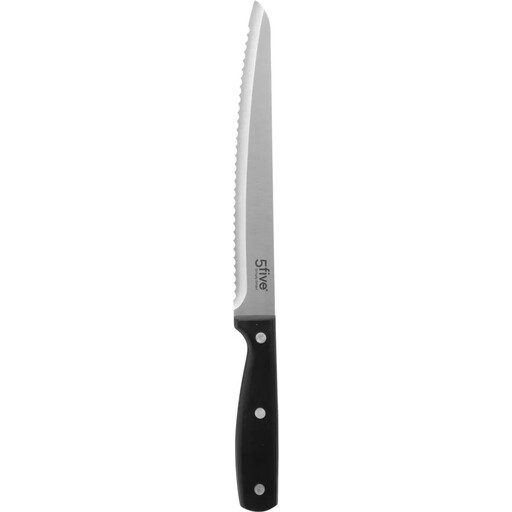
Why it suits this profile: This bread knife has a 33 cm blade, making it suitable for bread, baguettes and other foods that are easier to cut with a serrated edge.
You use a dedicated bread knife instead of a straight-edged chef’s knife, matching the task to the shape of the blade.
33 cm stainless steel blade; ABS handle; described as dishwasher-safe.
We’ve put together a complete, up-to-date list of products that meet these strict selection criteria and the applicable European safety regulations.
For most households, a 16 to 20 cm chef’s knife is a practical starting point. If you often prepare vegetables, fish and herbs, you could also choose a santoku knife. Add a bread knife and paring knife if you regularly prepare bread, fruit and small ingredients.
That depends on the steel, chopping board, frequency of use and care. Don’t cut on glass, stone or ceramic, and don’t use the knife for ingredients it isn’t designed for. Hand-washing, drying it straight away and honing it regularly help keep the blade in good working condition for longer.
Some product descriptions say that a knife is dishwasher-safe, including certain 5five models. However, hand-washing can help extend the practical life of the blade and handle. Always check the care instructions for your specific kitchen knife before putting it in the dishwasher.
