
Vandaag of morgen in huis

Kwaliteit gegarandeerd

Welkomstaanbiedingen ontgrendelen: GRATIS bezorging | Tot 80% korting | Gratis 30 dagen JoyPlus-proefperiode
Download de app
Buying a kitchen knife seems straightforward – until you have to choose between a chef’s knife, a Santoku knife, a cleaver or a small paring knife. Product titles often promise a “professional kitchen knife” or a “sharp kitchen knife”, but such descriptions tell you very little about long-term usability. So pay attention to verifiable features such as blade length, material, handle and maintenance.
Almost every new knife feels sharp. How long that edge lasts, however, depends on the steel, the grind angle, the chopping board and the maintenance. A stainless steel kitchen knife is practical for resisting corrosion, but “stainless” doesn’t mean the knife will never develop stains or rust spots. Soaking for long periods, harsh cleaning and incorrect storage can all damage the edge.
A cleaver needs weight for tough ingredients, but a chef’s knife for vegetables, fruit and meat should sit comfortably in your hand. A heavy model can become tiring during prolonged chopping. So look at the balance between blade, handle and total weight. The Wüsthof Gourmet Chef's Knife weighs 184 grams according to the product information and has a 20 cm blade – that gives you a concrete point of comparison when choosing.
A chef’s knife or Santoku knife is suitable for many everyday preparations, but not for every purpose. A carving knife is designed for neat slices, a boning knife for removing meat around bones, and a paring knife or fruit knife for small, precise work. Don’t use a thin kitchen knife to chop bones or prise open packaging. That can affect the edge and your safety.
For everyday cooking, a blade of around 18 to 20 cm is often practical. You get enough cutting surface for vegetables and meat without the knife becoming awkward on a smaller kitchen board. A Santoku knife usually has a wider, relatively straight edge and is handy for vegetables, herbs and smaller pieces of meat. A classic chef’s knife typically has a curved edge that allows you to rock while chopping.
For specialised use, it’s better to look at the shape:
Many models use stainless steel. That’s easy to clean and suitable for daily use, but the exact type of steel remains important. The Wüsthof Performer Chef's Knife lists X50CrMoV15 stainless steel as the blade material. The Wüsthof Gourmet mentions stainless steel without a further steel code. So don’t just compare the brand name – also compare the specifications that actually appear on the product page.
Terms like “Damascus” or “hand-forged” don’t automatically describe cutting performance. Check whether the product information also includes blade length, steel type, handle and maintenance. With the WANGMAZI Damascus Steel Santoku Knife, the product title emphasises the material and Santoku shape; check the product page for the details that apply to your chosen version.
A handle must be securely attached and offer enough grip, even when your hands are damp. A full-tang construction usually runs through the handle, but check whether this is explicitly stated in the product information. The Wüsthof Gourmet is described as full-tang and dishwasher-safe; hand washing is recommended at the same time for a longer lifespan.
Wash sharp knives by hand if possible, dry them immediately and store them in a knife block, on a magnetic strip or with a protective sheath. Always use a suitable chopping board. Glass, stone and ceramic can dull the edge more quickly. Regular honing or sharpening only helps when it’s appropriate for the knife’s cutting edge.
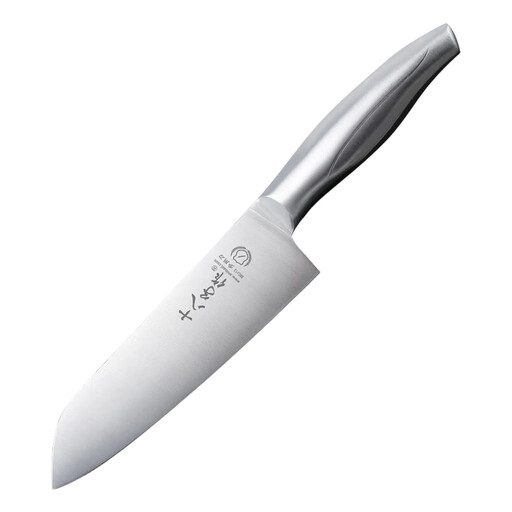
Why this fits the profile: A multi-purpose model is a logical starting point for everyday chopping when you don’t yet want to buy a separate set of kitchen knives.
The product title mentions stainless steel and multi-purpose use. Do check the exact dimensions and care instructions before purchasing.
Multi-purpose application and a stainless steel construction according to the product listing.
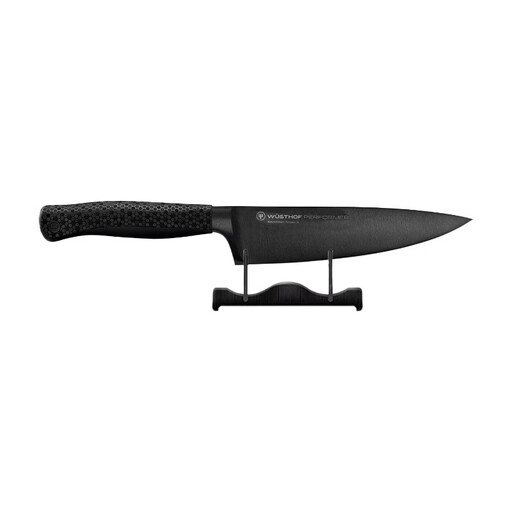
Why this fits the profile: For anyone looking for a fixed chef’s knife for vegetables, herbs, fruit and meat, and who values a described handle construction.
The product information mentions X50CrMoV15 stainless steel and a blade length of 20 cm. This allows you to compare your choice more concretely than on marketing language alone.
20 cm blade, X50CrMoV15 stainless steel and a hexagonal handle according to the product description.
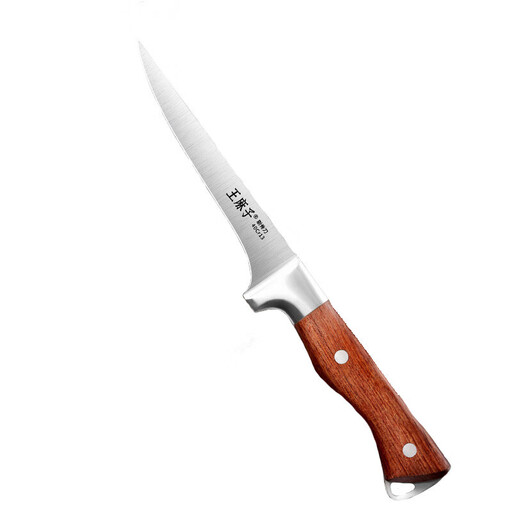
Why this fits the profile: This type of boning knife suits butchers, catering professionals and home cooks who regularly prepare beef, lamb or pork around bones.
The specific shape prevents you from using a general kitchen knife for precision work around bones. Check the flexibility and dimensions on the product page.
40Cr13 steel according to the product title and an application for boning and skinning.
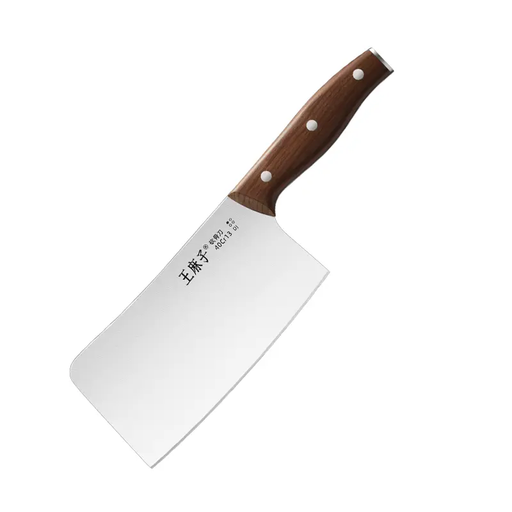
Why this fits the profile: A cleaver is designed for heavy chopping work. According to the product description, this model focuses on bones, ribs and poultry.
It’s a specialised cleaver rather than a thin all-purpose knife. Use it only on a sturdy, suitable chopping board and follow the safety instructions.
Forged construction according to the product description and designed for bones, ribs and poultry.
We’ve put together a full, up-to-date list of products that fully meet these strict selection criteria and comply with current European safety regulations.
A chef’s knife of around 18 to 20 cm is a practical choice for many households. You can use it to cut vegetables, herbs, fruit and meat. If you prefer a straighter edge and a more compact working style, you might consider a Santoku knife. Above all, check the balance, handle and care instructions.
Wash the knife by hand, dry it immediately and use a wooden or plastic chopping board. Don’t store it loose in a cutlery drawer. Use a knife sharpener or honing steel only according to the instructions for that particular knife. A blunt knife requires more pressure, which reduces control during cutting.
That varies by product. The Wüsthof Gourmet is listed as dishwasher-safe in the product information, but hand washing is recommended for a longer lifespan. Other models, such as some Wangmazi fruit knives, advise hand washing and immediate drying. So always read the care instructions for the specific kitchen knife before you buy it.
