
Vandaag of morgen in huis

Kwaliteit gegarandeerd

Welkomstaanbiedingen ontgrendelen: GRATIS bezorging | Tot 80% korting | Gratis 30 dagen JoyPlus-proefperiode
Download de app
At first glance, a kitchen knife seems simple: a blade, a handle and a sharp edge. Yet chef’s knives, santoku knives, bread knives and paring knives all have very different uses. If you focus only on a low price or the promise of “extra sharpness”, you could end up with a knife that soon becomes less comfortable to use, is difficult to grip or doesn’t suit your everyday cooking.
Watch out for these common pitfalls:
A chef’s knife is a versatile choice for cutting vegetables, herbs, meat and poultry. A santoku knife often has a straighter edge and is suitable for chopping and slicing vegetables, fish and meat. Some models have dimples in the blade. According to the Victorinox Grand Maitre product description, these dimples are designed to help prevent ingredients from sticking to the knife.
For specific tasks, other knife shapes make more sense:
Many kitchen knives are made from stainless steel. It’s practical for everyday use and generally needs less maintenance than steel that discolours more easily. However, performance depends on the type of steel, heat treatment, thickness and sharpening angle.
A full-tang construction means the steel extends into the handle. According to the Wüsthof Classic Ikon chef’s knife product description, this construction helps with balance and sturdiness. It’s a verifiable product specification, but it doesn’t guarantee that every user will find the knife comfortable.
Be mindful of marketing claims too. Wüsthof says that its Classic Ikon Santoku knife is 20% sharper than standard knives thanks to its sharpening technique. Treat this as a brand claim, and also compare the stated type of steel, blade length, handle and care instructions.
A handle should feel secure and provide enough room for a safe grip. An ergonomic handle can be comfortable during longer cooking sessions, but the fit is a personal thing. Consider the weight too: a 40-gram paring knife feels different from a santoku knife weighing around 170 to 180 grams.
Before you buy, check:
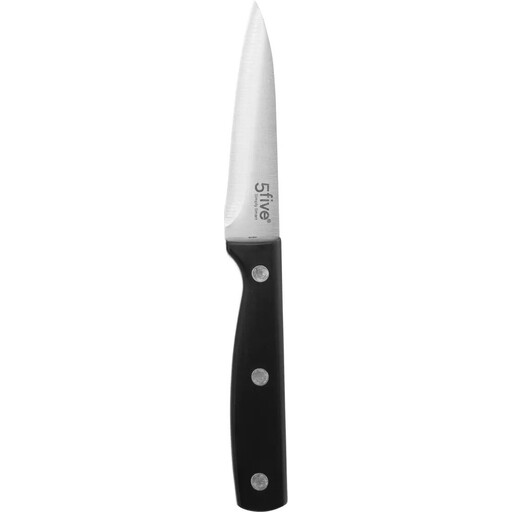
Why it suits this profile: This paring knife is an accessible option for small cutting tasks, such as peeling, trimming and preparing fruit and vegetables.
Its purpose is clear: this is a compact paring knife, not an awkward substitute for a large chef’s knife. The product description lists stainless steel and dishwasher-safe construction.
Stainless steel blade, ABS handle, 18 cm length and a stated weight of 40 grams.
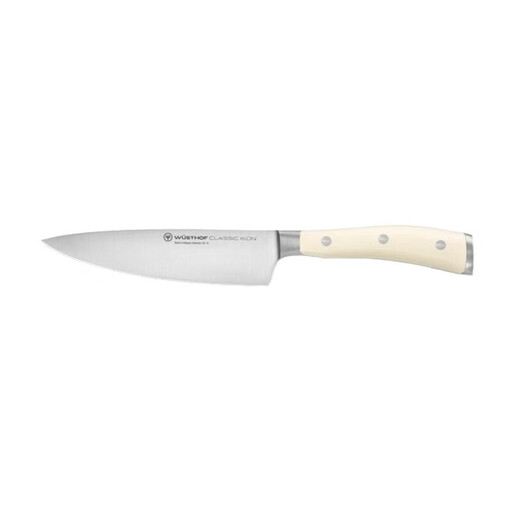
Why it suits this profile: A 16 cm chef’s knife is well suited to everyday cooking, where control and versatility matter more than an extra-long blade.
The specifications are specific: a single piece of stainless steel, full tang, three rivets and finger protection. This gives you a clearer picture of the construction than a general claim about durability.
16 cm blade, ergonomic synthetic handle, full-tang construction and, according to the product description, suitable for vegetables, herbs, meat and poultry.
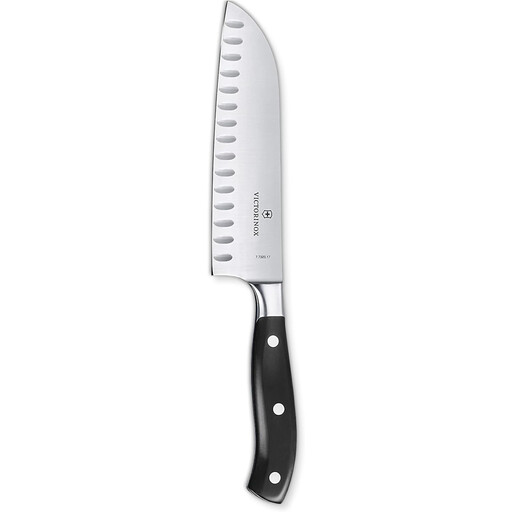
Why it suits this profile: The 17 cm santoku shape is a good fit if you prepare lots of vegetables, fish and meat and want an alternative to a traditional chef’s knife.
This knife has a specific purpose, so you won’t expect it to handle bread, peeling or bones as well. The dimples in the blade are specifically mentioned in the product information.
17 cm stainless steel blade, ergonomic plastic handle and dimples that, according to the product description, help stop ingredients sticking to the blade.
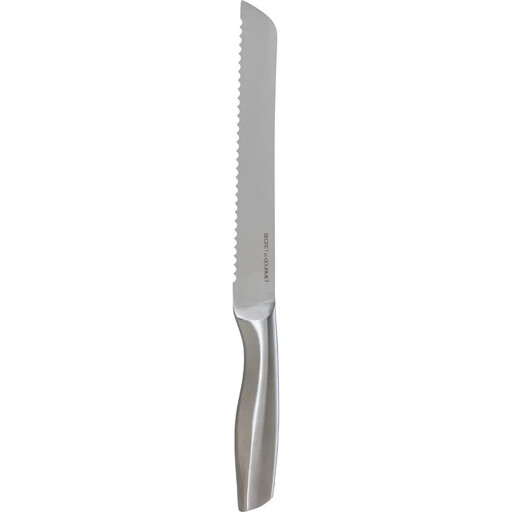
Why it suits this profile: With a total length of 34 cm, this model is designed for slicing bread and making longer cutting strokes, rather than detailed precision work.
Choosing a separate bread knife means you don’t have to use a chef’s knife for a job it’s less suited to. The product description lists stainless steel and dishwasher-safe construction.
34 cm long, weighs 180 grams, stainless steel blade and, according to the product information, dishwasher-safe.
We’ve put together a complete, up-to-date list of products that meet these strict selection criteria and the current European safety regulations.
Even sharp kitchen knives won’t stay in the same condition without proper care. Use a stable wooden or plastic chopping board, and avoid glass, stone and ceramic surfaces. Rinse the knife after use, dry it straight away and store it so the blade doesn’t knock against other cutlery.
Use a honing steel only as instructed by the manufacturer. For occasional sharpening, a suitable whetstone or professional sharpening service is often a better choice than a cheap sharpener that removes a lot of material. Don’t use a knife if it has visible damage or a loose handle.
For many households, a chef’s knife measuring around 16 to 18 cm is a practical place to start. Add a paring knife and a bread knife if you use them regularly. A kitchen knife set may seem like good value, but check that every knife shape suits your cooking routine.
It depends on how you use it, the type of steel, your chopping board and how you care for it. If your knife gets blunt sooner than expected, first check whether you’re using a hard surface or putting it in the dishwasher. Regular honing can help maintain the edge; proper sharpening is needed less often.
Some models are sold as dishwasher-safe, including the 5five knives and the Secret de Gourmet set mentioned above. Other knives should be washed by hand, according to their product descriptions. Always check the instructions for each product and dry the knife after cleaning.
