
Vandaag of morgen in huis

Kwaliteit gegarandeerd

Welkomstaanbiedingen ontgrendelen: GRATIS bezorging | Tot 80% korting | Gratis 30 dagen JoyPlus-proefperiode
Download de app
A kitchen knife must suit your cooking routine, not just an attractive product photo. Home cooks often buy a knife that becomes less pleasant to use after a few months, is difficult to keep clean, or simply proves unsuitable for the chosen ingredients. With the right checks beforehand, you can avoid a bad purchase.
A knife may be described as "extra sharp," but that doesn't tell the whole story about the practical experience. The balance between blade, handle, and weight largely determines how controlled your cutting will be. A heavy cleaver, for example, is useful for tough ingredients but less suitable for delicate fruit work.
Also pay attention to length. A blade of 17 to 18 cm offers a practical middle ground for many households. A longer knife can provide more cutting surface but also requires more space and control.
"Stainless steel" indicates that the material is more resistant to rust than regular steel, but it doesn't mean you can put every knife in the dishwasher without consequences. With a Damascus kitchen knife, hand washing is often more important. According to the product description of the Wüsthof Performer Santoku Knife, this knife is not dishwasher-safe, and hand washing and drying are recommended.
A wooden handle also requires extra care. Therefore, always check the maintenance instructions instead of relying solely on terms like "durable" or "professional."
A universal kitchen knife is handy for everyday preparations but has its limits. A paring knife or fruit knife is suitable for smaller ingredients. A santoku knife or chef's knife is better suited for vegetables, herbs, and meat. A cleaver is intended for heavier cutting work; don't automatically use such a knife for every task.
A kitchen knife set may seem economical, but check whether you will actually use all the components. A set with a chef's knife and a paring knife can be more practical for a small household than a large set with unused knives.
Choose the shape based on your daily preparation:
Pay attention to the specified dimensions. With the 5five Santoku Knife, the total length is 29 cm, the blade length is 17 cm, and the weight is 140 grams. The 5five Forged Stainless Steel Santoku Knife has a total length of 32 cm, a blade of 18 cm, and weighs 180 grams. This data helps you compare size and weight.
A stainless steel kitchen knife is a logical choice for daily use, especially when easy maintenance is important. Check whether the knife is dishwasher-safe and dry it thoroughly after washing. A dishwasher can, due to heat, moisture, and contact with other cutlery, put more strain on the cutting edge and handle.
A Damascus kitchen knife often has a striking pattern and can be appealing to those who value material aesthetics. The Wüsthof Performer Santoku Knife is described as featuring Damascus steel with rust-resistant properties. The product description advises hand washing and recommends against prolonged contact with acidic ingredients. Always follow the official maintenance instructions for such products.
A sturdy handle must fit your hand well and should not twist during cutting. Plastic handles are generally easy to clean. Wooden handles feel different but must be dried properly and not left in water for long periods.
Do not store a knife loose in a cutlery drawer. Use a knife block, protective sheath, or a suitable drawer organizer. This limits contact with other kitchen utensils and reduces the risk of cuts.
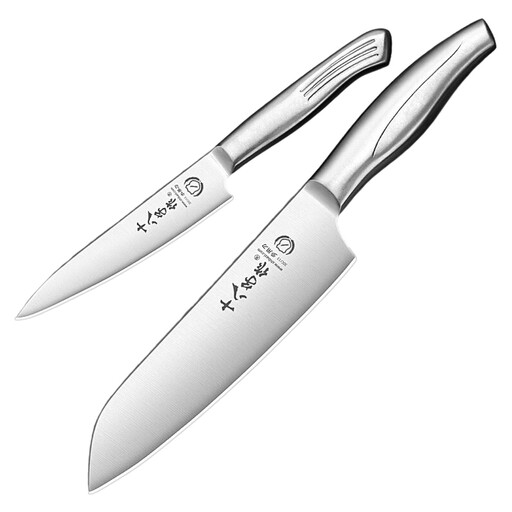
Why it fits the profile: The combination of a chef's knife and paring knife covers many daily tasks without immediately purchasing an extensive kitchen knife set.
The two different sizes prevent you from using a large knife for every small cutting task.
Two practical knife functions in one purchase; suitable for general kitchen work.
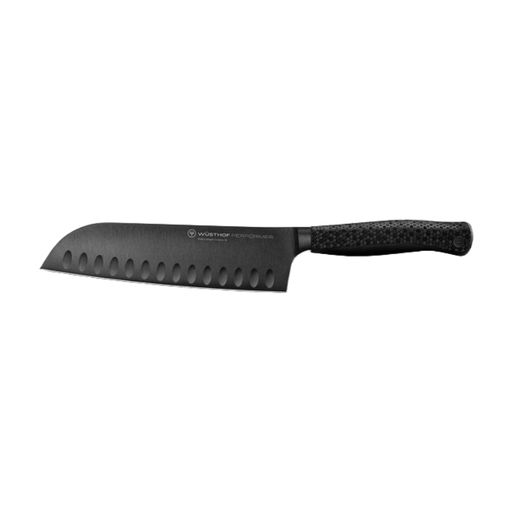
Why it fits the profile: This santoku knife combines a 17 cm blade with an ergonomic plastic handle and a Damascus steel finish as per the product description.
The maintenance limitation is clearly stated: not dishwasher-safe, and hand washing and drying after use are required.
17 cm blade; suitable for vegetables, meat, seafood, and other ingredients according to the product information.
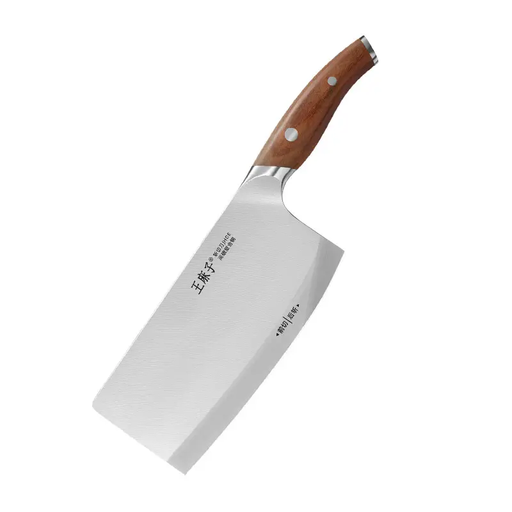
Why it fits the profile: A cleaver is suitable for users who regularly prepare larger quantities of vegetables or meat and are looking for a wider blade.
The product description clearly states a combination of chopping and slicing; therefore, do not use this knife as a small fruit or paring knife.
Three layers of steel according to the product information; designed for chopping and slicing.
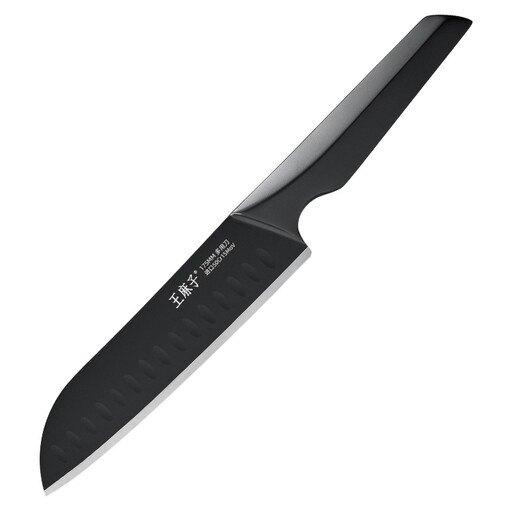
Why it fits the profile: This compact multi-purpose kitchen knife is aimed at small preparations such as cutting vegetables, preparing fruit, and portioning meat.
The smaller size makes the intended use clearer and prevents you from needing a large chef's knife for small tasks.
Compact design; intended for slicing, chopping, and smaller food preparations.
We have compiled a complete, up-to-date list of products that fully meet these strict selection criteria and comply with current European safety regulations.
The statutory warranty for many consumer products in the EU is at least two years, but the exact rights depend on the situation and the applicable national rules. Check the product page for the information that applies to your purchase.
For most households, a chef's knife or santoku knife is a practical basic choice. Choose a blade of approximately 17 to 18 cm if you are looking for a middle size for vegetables, herbs, meat, and other ingredients. Add a paring knife for smaller tasks.
This varies by product. Some 5five models are described as dishwasher-safe according to the product description. The Wüsthof Damascus santoku knife is not suitable for the dishwasher according to the product information. Hand washing and immediate drying are generally a cautious maintenance choice.
A set can be practical when you need multiple functions, for example, a chef's knife and a paring knife. However, only buy components that match your cooking habits. For a small household, one universal kitchen knife with a separate fruit knife may be sufficient.
