
Vandaag of morgen in huis

Kwaliteit gegarandeerd

Welkomstaanbiedingen ontgrendelen: GRATIS bezorging | Tot 80% korting | Gratis 30 dagen JoyPlus-proefperiode
Download de app
A blunt knife doesn't just make cooking less enjoyable; it can also lead to uneven cuts and require extra pressure when chopping. However, a large kitchen knife set isn't automatically a wise purchase. Some sets include knives you'll rarely use, while a crucial knife for bread or vegetables is missing.
So don't just focus on terms like "sharp", "professional" or "stainless". Instead, pay close attention to the material, dimensions, maintenance, and how you'll actually use the knives day to day.
A set with 13 or 15 pieces sounds appealing, but check what's actually inside the box. Part of that count may include a knife block, scissors or a sharpener. Also consider whether you need a chef's knife, bread knife, paring knife and possibly steak knives.
For everyday cooking, a smaller set with the right knives is often more practical than a bulky set with duplicates or rarely used models.
Stainless steel kitchen knives are resistant to corrosion, but that doesn't make them immune to moisture, harsh cleaning agents or prolonged contact with water. Product information may mention rust resistance, but the actual lifespan also depends on usage and care.
Dry a knife after washing and store it safely. Also check whether the manufacturer allows dishwasher use. For some knives, hand washing is recommended, even if the material itself can withstand water.
A handle made of plastic, wood or another material can feel different in your hand. Pay attention to the shape, weight and balance between the blade and handle. A heavy cleaver, for example, isn't designed for the same movements as a light paring knife.
A serrated blade also has a specific function. It works well for bread or certain types of meat, but isn't the logical choice for fine vegetable work.
Check which material is listed for the blade. For many kitchen knives, this is stainless steel. That's practical for daily use, but the product description doesn't always mention the steel type, hardness or grind angle. So don't draw conclusions about edge retention that aren't backed up by a concrete specification.
Hand washing and immediate drying generally make up a safe maintenance routine. Use a suitable chopping board and avoid cutting on glass, stone or ceramic. Those hard surfaces can dull the edge more quickly.
The right length depends on the task and your work surface:
A knife set with a knife block keeps the knives together and prevents them from lying loose in a kitchen drawer. Check that the block is stable and that the slots fit the included knives. A knife block also takes up space on your worktop.
Store knives out of reach of children and avoid touching the blade with your fingers. Use each knife for its intended purpose. A paring knife isn't designed for chopping bones, and a bread knife isn't for fine chopping.
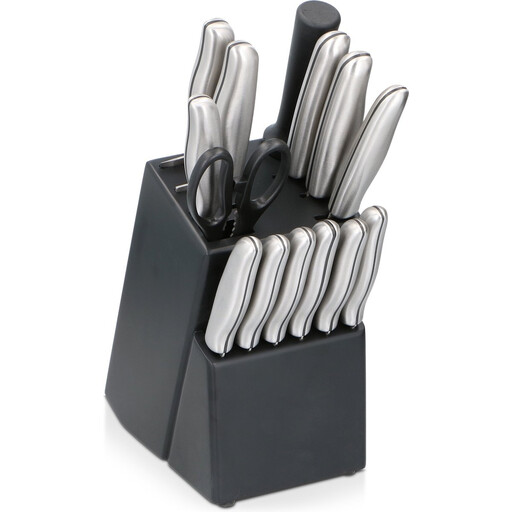
Why this fits the profile: This set contains 13 knives, a knife block and a pair of scissors. According to the product information, it includes a chef's knife, bread knife, paring knife, steak knives and a santoku knife. That's practical for a household that wants to cover various kitchen tasks with one purchase.
The contents are clearly specified, so you can compare the number of individual knives with the total number of pieces. Do check beforehand whether all the models will be used regularly.
13 knives, a pair of scissors and a black knife block; the blade material is listed as stainless steel.
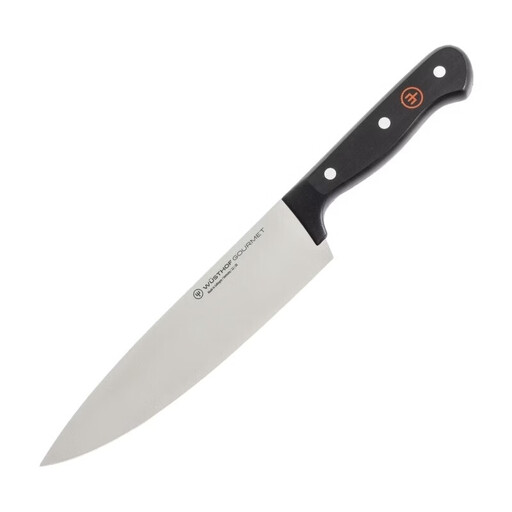
Why this fits the profile: If you'd rather choose one versatile knife than a full kitchen knife set, this chef's knife with a 20 cm blade is a great option. The model is designed for slicing, dicing and chopping.
You're not paying for knives you might not use. The choice is focused on one clearly described knife for multiple cutting tasks.
20 cm stainless steel blade, plastic handle and a total weight of 184 grams according to the product information.
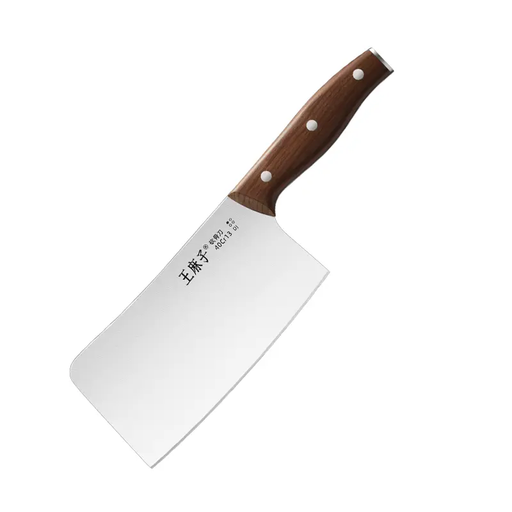
Why this fits the profile: This cleaver is designed for tough cutting tasks such as processing bones, ribs and poultry. It's therefore an addition for users with a specific cooking style, not necessarily a replacement for a chef's knife.
The function is clearly described. Don't use it as a universal knife for bread, herbs or fine paring, and check the full specifications before purchasing.
Designed for bones, ribs and poultry; the product is described as a forged cleaver.
We've put together a full, up-to-date list of products that fully meet these strict selection criteria and comply with current European safety regulations.
For most households, a chef's knife, bread knife and paring knife are sufficient. If you often prepare meat, vegetables or bread, you can add a santoku knife, vegetable knife or steak knives. A complete set is particularly practical when you need several knives at once and have enough storage space.
That depends on the steel, the grind angle, the chopping board, frequency of use and maintenance. Product descriptions sometimes mention long-lasting sharpness, but according to the brand's or seller's own information, that's not a fixed lifespan for every kitchen. Regular careful sharpening and proper storage help keep the edge usable.
Not always. Check the specific product information. Some models are listed as dishwasher safe, while others recommend hand washing to keep the blade and handle in good condition for longer. If in doubt, hand washing, immediate drying and safe storage are the most cautious choice.
