
Vandaag of morgen in huis

Kwaliteit gegarandeerd

Welkomstaanbiedingen ontgrendelen: GRATIS bezorging | Tot 80% korting | Gratis 30 dagen JoyPlus-proefperiode
Download de app
A good kitchen knife is the foundation of every meal. But the search for the right one can be overwhelming. The market is flooded with promises, expensive sets, and technical jargon. As a Joybuy Product Recommendation Officer, I'm here to help you cut through the marketing noise and make a choice that's right for your kitchen.
Before you pull out your wallet, it's wise to consider a few common pitfalls:
You don't need to be a metallurgist to make a smart choice. Just pay attention to the following three practical points.
The blade material determines how the knife performs and how much maintenance it requires.
Not every knife is suited for every job. These are the workhorses of the kitchen:
A knife should feel like an extension of your hand. An ergonomic handle that provides a comfortable grip, even when wet, is crucial for safety. The balance is just as important: the knife shouldn't feel too heavy at the front (blade) or back (handle). Good balance gives you more control and makes cutting less tiring.
To help you get started, we've highlighted a few products that suit different cooking styles and needs.
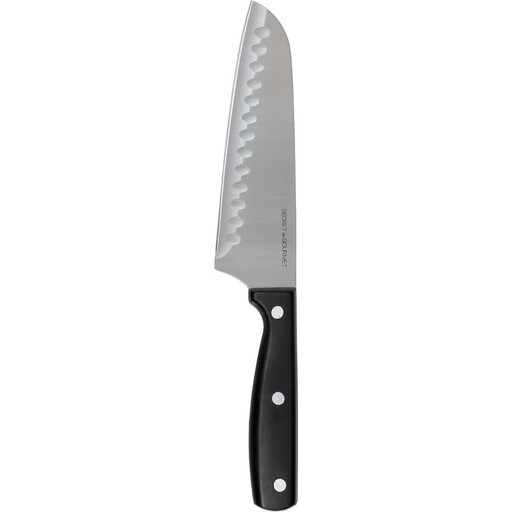
Why This Fits Their Persona: This is an ideal entry-level model. The santoku design is versatile for everyday cutting tasks, and the stainless steel material requires little maintenance. Perfect for anyone looking for a reliable first knife without the hassle.
You're buying one functional knife instead of an expensive set. It's made of low-maintenance stainless steel, and the manufacturer states it's dishwasher-safe, which avoids the pitfall of complex upkeep.
Practical and low-maintenance. The ABS plastic handle is sturdy, and the knife is lightweight (140g), making it easy to handle.
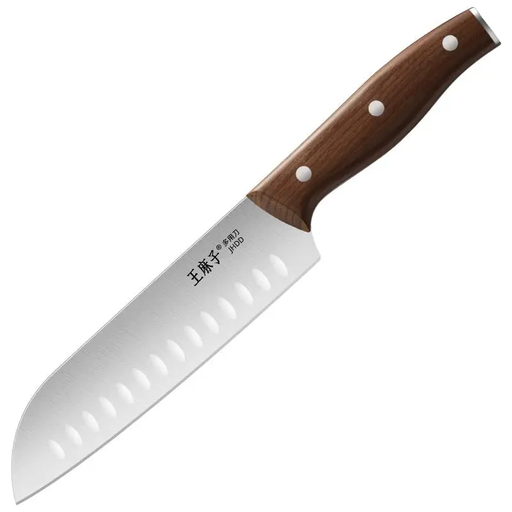
Why This Fits Their Persona: For the cook who enjoys working with a single, powerful tool. This Chinese chef's knife is a true workhorse, suitable for slicing vegetables and meat, as well as heavier chopping tasks.
This knife proves you don't need an entire knife block. Its versatility replaces several specialized knives, saving you money and space.
Multifunctional design for slicing, chopping, and mincing. The wide blade can also be used to scoop ingredients from the cutting board into the pan.
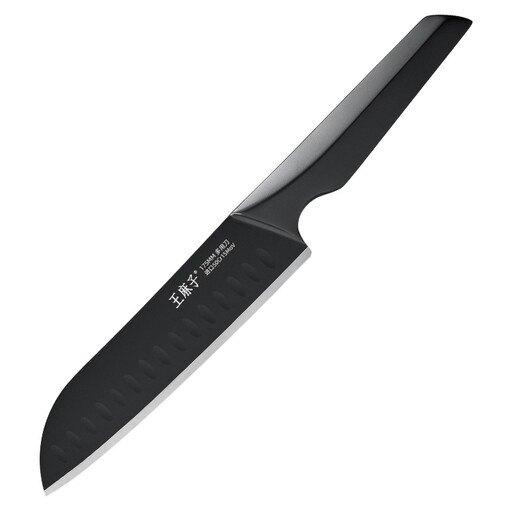
Why This Fits Their Persona: For those who want to take a step up in quality. This knife combines the versatile santoku design with a material upgrade, resulting in a blade that stays sharper for longer and has a more professional look and feel.
This knife focuses on a concrete, functional upgrade: the 50Cr15MoV steel. This is a specific, verifiable feature rather than a vague marketing claim about "superior quality."
The German 50Cr15MoV steel blade offers a great balance between hardness and rust resistance. The full-steel construction provides a solid feel and ensures good hygiene.
We have compiled a complete, up-to-date list of products that meet these strict selection criteria and comply with current regulations.
This depends on how often you use the knife and what you use it for. As a general rule, you should sharpen your knife a few times a year with a whetstone or sharpener. In between, you can maintain its sharpness by running it along a honing steel a few times before each use.
Although many manufacturers state their stainless steel knives are dishwasher-safe, hand washing is always the recommended method. Harsh dishwasher detergents, high temperatures, and contact with other metals can damage the blade and handle over time. Washing and drying it immediately after use will significantly extend its lifespan.
The main difference lies in the shape of the blade. A chef's knife has a curved belly, allowing for a rocking motion while cutting. A santoku knife has a straighter blade and a rounded tip, making it ideal for a more downward chopping and slicing motion. The choice is largely a matter of personal preference.
