
Vandaag of morgen in huis

Kwaliteit gegarandeerd

Welkomstaanbiedingen ontgrendelen: GRATIS bezorging | Tot 80% korting | Gratis 30 dagen JoyPlus-proefperiode
Download de app
A good, sharp kitchen knife makes cooking easier and more enjoyable. But the search for the right one can be frustrating. The market is flooded with sets that overpromise and underdeliver, and marketing terms that say little about quality. Many people end up with a drawer full of dull knives they never use. As a Joybuy Product Recommendation Officer, I'm here to help you cut through the noise. Here’s how to avoid common pitfalls and choose a knife you'll enjoy for years to come.
Before you spend any money, it's important to know what can go wrong. Many knives look great in the packaging but turn out to be a poor investment in practice.
You don't need to be a metallurgist to make a great choice. Pay attention to the following three points, and you can be confident you're getting a functional and durable product.
The blade material determines how sharp the knife is, how long it stays sharp, and how well it resists rust.
Not every knife is suited for every task. A basic kit for most home cooks consists of:
A good knife should feel like an extension of your hand. Pay attention to the construction: a full tang blade, where the steel runs all the way through the handle, provides superior strength and balance. The handle itself should be comfortable and non-slip, even with wet hands. Materials like synthetic polymers, composites, or treated wood are popular choices.
Based on these criteria, we have selected a few products that suit different users.
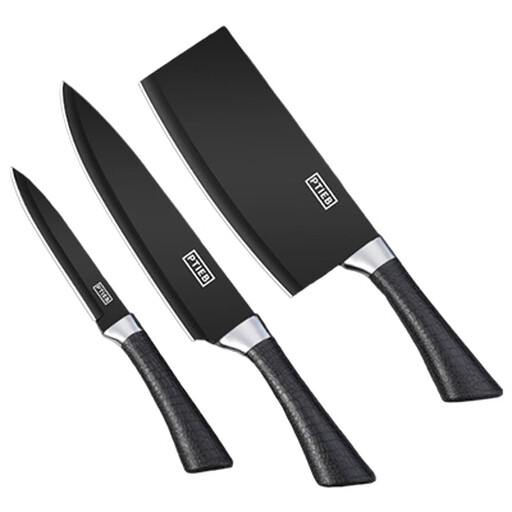
Why This Fits Their Persona: Ideal for those seeking a functional starter kit without investing in unnecessary extras. This set includes the three most essential knives for daily cutting tasks in any kitchen.
This set avoids the "complete" knife set pitfall by focusing only on the three most-used knives: a chef's knife, a slicing knife, and a paring knife. No filler, just pure functionality.
An affordable and complete starter set that covers all the essential cutting functions. You're immediately equipped for most recipes.
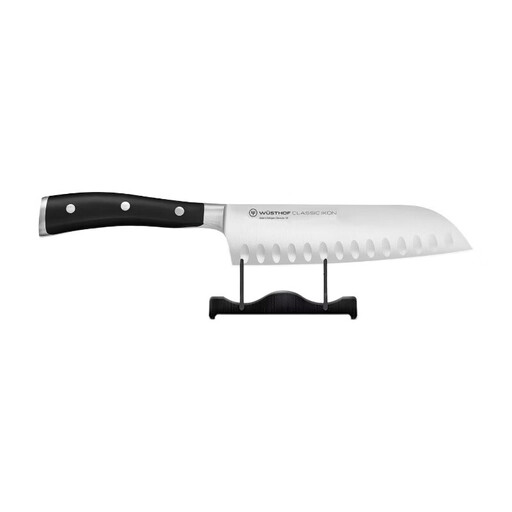
Why This Fits Their Persona: For those who value quality and performance over quantity. This knife is an investment in craftsmanship, made in Solingen, Germany, and designed for precision and a long lifespan.
This knife avoids the pitfall of vague steel claims. It is forged from X50CrMoV15 stainless steel, a specific and verifiable quality standard. The focus is on a single, perfectly balanced, multi-functional knife.
Forged from a single piece of steel for excellent balance and durability. The half-bolster design makes it easier to sharpen the entire blade.
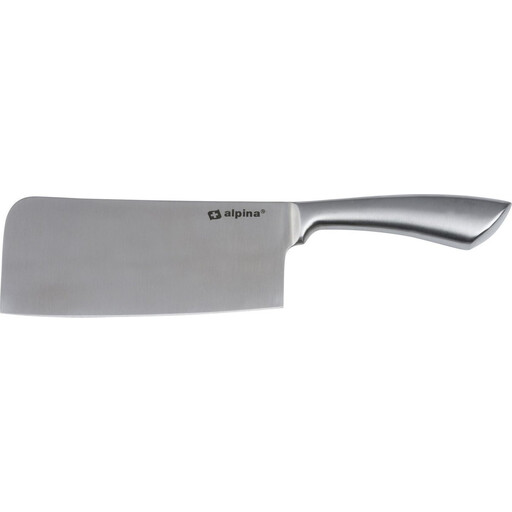
Why This Fits Their Persona: For those who regularly process large cuts of meat, bone-in poultry, or hard vegetables like pumpkin. This cleaver is a specialised tool built for power and durability.
This isn't a thin, all-purpose knife that will bend under pressure. It's a purpose-built cleaver, made entirely of stainless steel, that avoids the pitfall of poor balance and construction with its robust, functional design.
The heavy, wide blade makes chopping efficient and safe. The all-stainless-steel design is hygienic and easy to clean.
We have curated a complete, up-to-date list of products that fully meet these strict selection criteria and all relevant regulations.
This depends on how often you use the knife and for what purpose. As a general rule, you should sharpen your knives every few months with a whetstone or an electric sharpener. In between, you can maintain the edge by regularly using a honing steel. A sharp knife is safer than a dull one.
The main difference lies in the blade shape and the cutting technique. A European chef's knife has a more curved belly, making it ideal for a "rocking" motion. A santoku knife has a straighter blade and is designed for more of an up-and-down chopping motion. The choice is personal and depends on which cutting technique you find most comfortable.
Although some manufacturers claim their knives are dishwasher-safe, it is strongly recommended to wash quality knives by hand. Harsh dishwasher detergents, high temperatures, and contact with other dishes can damage the blade and handle, significantly shortening your knife's lifespan. A quick hand wash with warm, soapy water is the best way to protect your investment.
