
Vandaag of morgen in huis

Kwaliteit gegarandeerd

Welkomstaanbiedingen ontgrendelen: GRATIS bezorging | Tot 80% korting | Gratis 30 dagen JoyPlus-proefperiode
Download de app
The right kitchen tools make cooking easier and more enjoyable. But the market is flooded with gadgets that overpromise and underdeliver. Many home cooks fall into the same traps: a drawer full of clumsy tools that gather dust after a single use, or an expensive purchase that breaks after just a few months.
Before you invest in new kitchen accessories, it's wise to know what to look for. We'll discuss the most common missteps and provide practical tips for choosing durable, functional kitchen tools that you will actually use.
The selection is huge, and marketing can be misleading. These are two common pitfalls when purchasing cookware:
Focus on the basics: material and functionality. These two factors determine whether your purchase becomes a success or disappears into a cupboard.
Not all knives are created equal. The type of steel is crucial for how long a knife stays sharp and how well it resists rust.
A cutting board protects your countertop and your knives. The choice of material directly impacts hygiene and maintenance.
Every kitchen is different. That's why we've highlighted a few products that suit various needs and cooking styles, based on their specifications.
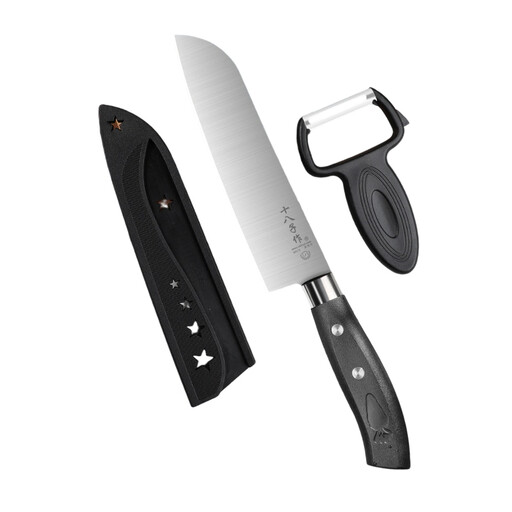
Why This Fits Their Persona: Ideal for someone setting up their first kitchen or looking for a no-nonsense basic kit. This set provides two essential tools without unnecessary complexity or a high price tag.
This is not a superfluous "all-in-one" gadget. It's two separate, functional tools: a knife for cutting and a peeler for peeling. Simple and effective.
The set combines a versatile knife with a peeler, two of the most frequently used kitchen tools. The knife guard makes it safe to store.
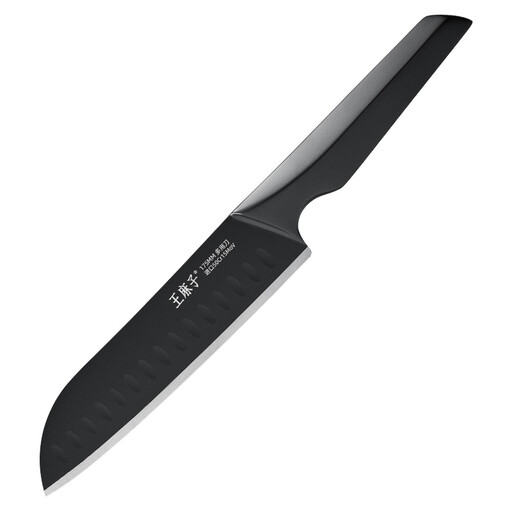
Why This Fits Their Persona: For the cook who values precision and durability. A santoku knife is a versatile workhorse, and the focus on the steel type shows this knife is built for performance.
This product avoids the trap of vague specifications. It explicitly names the 50Cr15MoV steel, an objective feature that indicates a better balance of sharpness, durability, and rust resistance than standard knives.
The German steel blade offers long-lasting sharpness. The full stainless steel handle is hygienic, durable, and gives the knife excellent balance.
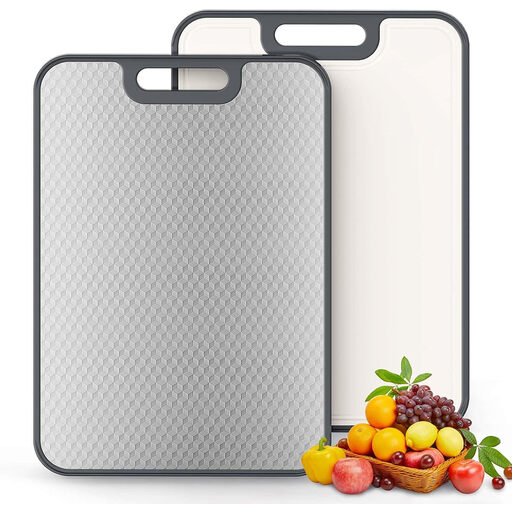
Why This Fits Their Persona: Perfect for those who do a lot of meal prep and prioritize hygiene. This board offers a practical solution for keeping meat and vegetables separate, increasing kitchen efficiency.
This cutting board tackles the material pitfall by offering the best of both worlds. Instead of a single compromise, you get two specialized surfaces: hygienic stainless steel for meat and knife-friendly wheat straw PP for vegetables.
The double-sided design helps minimize cross-contamination. The board is dishwasher-safe, which significantly simplifies cleanup after cooking.
We have compiled a complete, up-to-date list of products that meet these selection criteria and comply with current regulations. Find the kitchen tool that's right for you.
A bamboo cutting board should not be put in the dishwasher. Clean it by hand with mild soap. To prevent the wood from drying out and cracking, it is recommended to occasionally rub the board with a food-safe mineral oil.
If you could only choose one knife, a chef's knife or a santoku knife of about 20 cm (8 inches) is the most versatile option. You can use it to chop vegetables, slice meat, and mince herbs. It is the backbone of any good knife set.
Both have their advantages. A stainless steel colander is very durable, heat-resistant, and does not absorb odors or colors. A plastic colander is lighter and often cheaper, but can discolor or get damaged by hot water over time. For durability and hygiene, stainless steel is often the preferred choice.
