
Vandaag of morgen in huis

Kwaliteit gegarandeerd

Welkomstaanbiedingen ontgrendelen: GRATIS bezorging | Tot 80% korting | Gratis 30 dagen JoyPlus-proefperiode
Download de app
A kitchen full of utensils may seem convenient, but many purchases end up unused in a drawer after just a few weeks. The problem is often not the price, but an incorrect assessment of the material, size or maintenance required. When buying kitchen essentials, it is therefore worth first deciding what you will actually use each item for.
A kitchen accessory may look appealing but still be awkward to use. When choosing a chopping board, for example, consider the working surface, stability and how easy the material is to clean. A board that is too small can leave ingredients falling over the edge. A smooth board without sufficient grip may move while you are chopping.
Details are also important when choosing kitchen scissors. A protective cover, comfortable grip and the ability to clean the scissors thoroughly are often more relevant than an eye-catching finish.
Terms such as “extra strong”, “hygienic” or “professional” mean little without verifiable product specifications. Instead, look at the material, dimensions, capacity and care instructions. A stainless steel kitchen sieve with fine mesh, for example, is more straightforward to assess than a general claim about improved filtering.
When a brand promises a particular function or result, treat it as a claim made by the seller. According to the seller’s own product information, a texture on a chopping board may help reduce scratches, for example; this is not a universal guarantee for every user or situation.
A manual chopper that is not dishwasher-safe may be less suitable for someone who prepares meals daily and wants to tidy up quickly. The same applies to a wooden chopping board that must be washed by hand and occasionally treated with oil. Before buying, check the following:
For tools that come into direct contact with food, such as a rice paddle, spatula, chopping board or kitchen sieve, it is important to check that a suitable material is specified. Stainless steel is often chosen for its sturdy construction and easy cleaning. Silicone spatulas are flexible and can be useful for bowls and pans, but always check the recommended cleaning method and temperature range if these are provided.
Wooden kitchen essentials feel pleasant to use but generally require more care. According to the product information, the 5five bamboo chopping board measuring 45 x 34 x 5 cm has a stop edge and juice groove. The manufacturer recommends washing it by hand with mild washing-up liquid and periodically rubbing it with a little vegetable oil.
Dimensions determine how comfortable a product is to use in practice. A kitchen scale with a capacity of 5 kg is useful for baking and everyday preparation, while a 900 ml chopper is mainly suitable for smaller quantities.
Also consider the weight. A heavy chopping board may sit firmly in place but can be more difficult to store. The double-sided chopping board from INZOO measures 17 x 12 inch and weighs approximately 1,6 kg. This provides a generous working surface, but it does require enough space on the worktop.
When choosing knives, a meat slicer, oyster opener or kitchen scissors, check how the product can be stored safely. A protective cover or removable parts may be practical. With a fine kitchen sieve, look out for damaged mesh and sharp edges. According to the Maxcook sieve’s product information, it is dishwasher-safe, but avoiding abrasive sponges and drying the sieve thoroughly after cleaning is also recommended.
For electrical kitchen accessories such as a waffle maker, power, controls and ease of storage are relevant. The ochama Mini Waffle Maker has a power rating of 550 W, a non-stick coating according to the product description and a compact design. Always check the supplied instructions before use and allow the appliance to cool down before cleaning it.
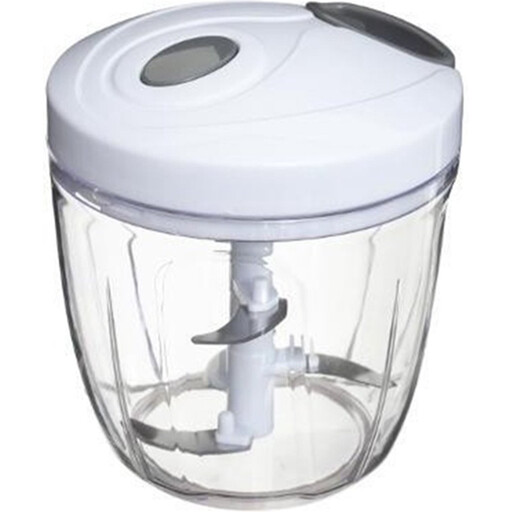
Why it suits this profile: This manual chopper is designed for smaller quantities and works without electricity. That makes it practical for simple preparations, sauces and meal prep in a compact kitchen.
The 900 ml capacity, five blades and manual operation are clearly specified. However, check that hand-washing fits your cleaning routine.
900 ml capacity, five removable blades and a non-slip base according to the product information.
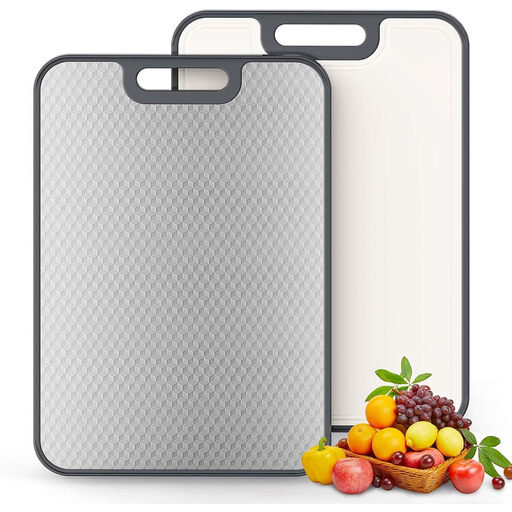
Why it suits this profile: Separate sides for meat and vegetables suit households that want to work in an organised and careful way.
The material composition, 17 x 12 inch size and care instructions are described clearly. However, you should take the approximate 1,6 kg weight into account.
Double-sided design, waterproof material according to the product description, and suitable for hand-washing or the dishwasher.
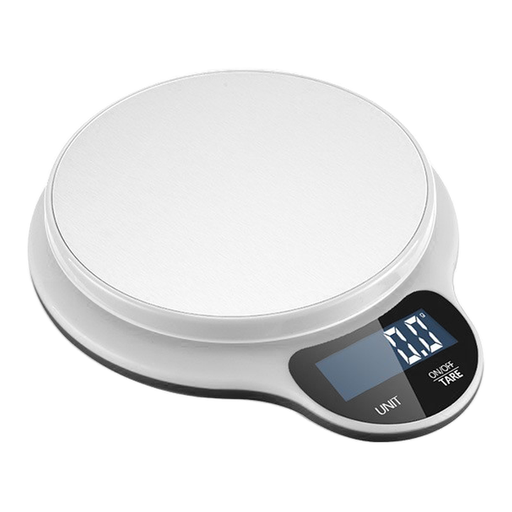
Why it suits this profile: For keen home bakers and meal-prep enthusiasts, capacity, measurement increments and the tare function are important buying criteria.
The product information specifies a maximum load of 5 kg and measurement increments of 0,5 g. The blue protective film must be removed before use.
Tare function, switching between grams, ounces and pounds, LCD display and two included aaa batteries according to the product description.
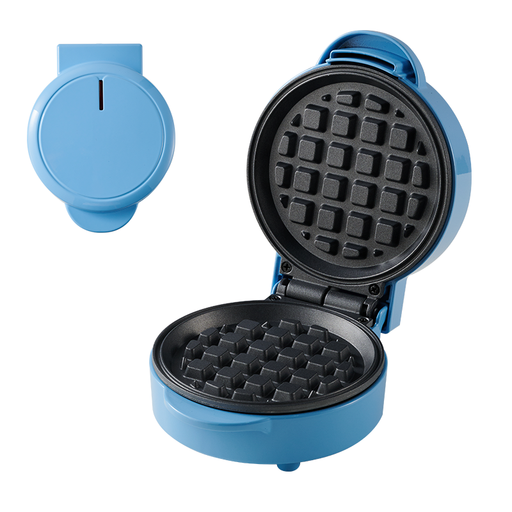
Why it suits this profile: Its compact size is well suited to smaller Dutch kitchens, student accommodation and families who want to make waffles or other snacks occasionally.
The 550 W power rating and one-button operation are clearly described. Check how much storage space you have beforehand and follow the cleaning instructions.
Double-sided heating plates, compact design and a non-stick coating according to the product description.
We have put together a complete, up-to-date list of products that fully meet these strict selection criteria and the applicable European safety regulations.
Start with tools you use every day: a chopping board, chef’s knife, kitchen scissors, spatula, kitchen sieve, measuring cups and, if needed, a kitchen scale. Only then add specialised accessories such as an oyster opener, rice paddle or ice cube tray.
Their lifespan depends on the material, use and maintenance. Stainless steel can remain usable for a long time if it is dried properly. Bamboo and other types of wood require more care. Regularly check kitchen utensils for loose parts, damaged surfaces, blunt cutting edges or discolouration, and replace them when safe use is no longer possible.
Not always. Compare the price with the features you need: material, size, warranty, cleaning requirements and frequency of use. An affordable rice paddle or washing-up brush may be suitable for everyday use, while a meat slicer, kitchen scissors or waffle maker requires extra attention to safety, construction and maintenance.
