Start by considering the light where the TV will go, the viewing positions at the table and in the kitchen, and whether you want to use the TV’s own speakers. An LCD or mini-LED TV may be worth considering for a bright room; OLED is worth comparing if you often watch from different spots or care about dark concert scenes. However, assess reflections and sound for each individual model, and make sure it will fit in the available space.
Who is this choice relevant to?
Daytime viewer in the kitchen-diner
You also watch during the day and want to follow concert footage when windows and kitchen lighting affect the screen. The Dutch Consumers' Association highlights brightness and reflections as things to consider when choosing a TV for a bright room.
Music lover at the table
You want to hear vocals and instruments clearly, and weigh up whether the TV’s speakers will be enough or whether you need a separate sound system. The Dutch Consumers' Association highlights clarity and music playback as things to consider when assessing TV sound.
Viewer who watches from different spots
You move between the dining table, the kitchen and other seats, so you need to consider the viewing angle and choose a screen size that suits the distances. The Dutch Consumers' Association discusses both viewing angles and viewing distance when choosing a TV.
What should you look for when choosing?
First, consider the light and viewing positions in your kitchen-diner. Then compare the sound, screen size and picture in dark scenes across the models that will fit your space.
| Thing to consider |
What should you check? |
Who is this most relevant to? |
| Daylight and reflections |
View the exact model with light falling on the intended spot, and consider both brightness and reflections. |
If you watch concert films during the day, you’ll want to follow the picture without incoming light overpowering it. Around 25% of consumers put daylight picture quality first. |
| Music playback |
Listen to a familiar recording on the TV. If you’re using external audio, check that the TV and sound system have compatible connections. |
If you want to hear vocals and instruments clearly, look beyond picture specifications alone. Around 25% of consumers put music sound first. |
| Viewing angle |
Compare the same picture from the places where you actually sit or stand. |
If you watch while cooking and sitting at the table, you’ll want to know how the picture looks from the side. Around 20% of consumers put viewing angle first. |
| Screen size and placement |
Measure your viewing distances and the available width and height. The Dutch Consumers' Association suggests around 2.4 times the screen diagonal as a starting point for viewing distance, not a hard-and-fast rule. |
If you watch from different distances, you’ll want a screen that fits the chosen spot and is comfortable to watch from your main seat. Around 15% of consumers put fit and viewing distance first. |
| Dark stage scenes |
Compare a concert scene with dark areas and bright stage lights on the exact models, using the settings you’d use at home. |
If you often watch in the evening, you’ll want to assess the detail in dark scenes without losing sight of the bright parts of the stage. Around 15% of consumers put dark concert footage first. |
Common mistakes
-
Assuming high brightness means there’ll be no reflections
A brightness specification doesn’t tell you how windows and lights will reflect on the screen from your viewing position.
Assess the picture with light falling on the spot where the TV will go, and view it from the positions you usually watch from.
-
Taking an audio format or wattage as proof of great concert sound
A listed audio format or speaker power rating won’t tell you how music and speech sound on that particular TV.
Listen to a familiar concert recording, and check the connections if you want to use external audio.
A separate sound system takes up extra space and needs a compatible connection.
-
Assuming similar model names mean it’s the same TV
The Philips 55OLED810/12 is an OLED model; the 55MLED810/12 is a separate QD mini-LED TV. TCL 55C7K and 55Q7C are also different full model names.
Check the full model number and specifications of the version you’re actually ordering.
-
Looking only at the screen diagonal
A size that seems right from one seat may be less suitable at a different viewing distance or on your chosen wall or cabinet. Energy consumption also varies by model and usage.
Measure the available space and compare the energy label and consumption per 1,000 hours for models that are the right size.
Brands worth considering
Samsung
The QE55QN90FATXXN is a 55-inch mini-LED model to consider if daylight and reflections are major factors.
- Samsung lists Glare Free for this model.
- That product description doesn’t prove that reflections will disappear in every kitchen-diner. Also assess this TV’s viewing angle and sound.
TCL
The 55C7K is a QD mini-LED model with an audio system by Bang & Olufsen, according to TCL.
- TCL lists, among other specifications, 144 Hz and an HDR brightness claim for the C7K.
- These specifications aren’t a listening test or a measure of your viewing experience. Don’t confuse the 55C7K with the 55Q7C.
Philips
The 55OLED810/12 is an OLED model with Ambilight; the 55MLED810/12 is a separate QD mini-LED TV.
- Philips lists a 60 Hz refresh rate for the 55MLED810/12.
- The similar model names refer to different screen types. A product page for the 55MLED810/12 stated that this model was no longer available; that doesn’t confirm current availability.
Sony
The K-55XR5 is a 55-inch mini-LED model to consider if you want to connect an existing sound system.
- Sony specifies mini-LED, local dimming and HDMI eARC/ARC for this model.
- Connections don’t tell you how music sounds or how much reflections will affect your viewing position.
LG
The OLED55C5ELB is a 55-inch OLED version with Dolby Vision and a 2.2-channel speaker system, according to LG.
- The model specifications tell you the screen type and speaker configuration to include in your comparison.
- LG lists this specific model as discontinued. The stated 40 W isn’t a listening test and doesn’t confirm current availability.
Joybuy TVs for concert films
Below are LCD and mini-LED TVs, along with an OLED TV, to compare for watching concert films in the kitchen-diner. Check the screen size, viewing angle and reflections for each version, and make sure the sound suits your needs.
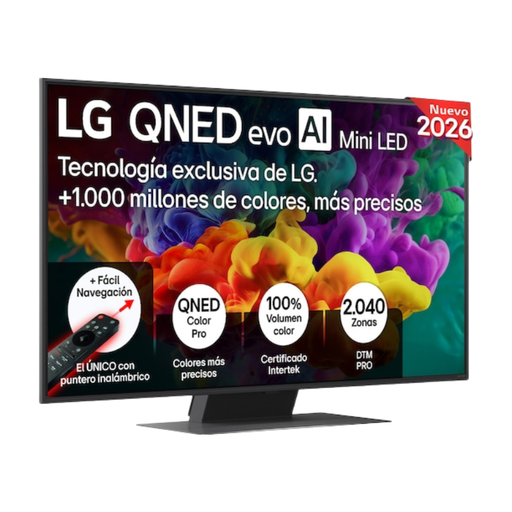 Image unavailable
LG 50QNED85B6B 50-inch 4K QNED Evo AI Mini-LED Smart TV
A 50-inch mini-LED version to compare if you’re considering an LCD TV for concert films in a bright room.
The product information lists up to 800 nits and anti-reflection technology. The reduction in reflections is a product claim, not a guarantee for your viewing position.
View at Joybuy
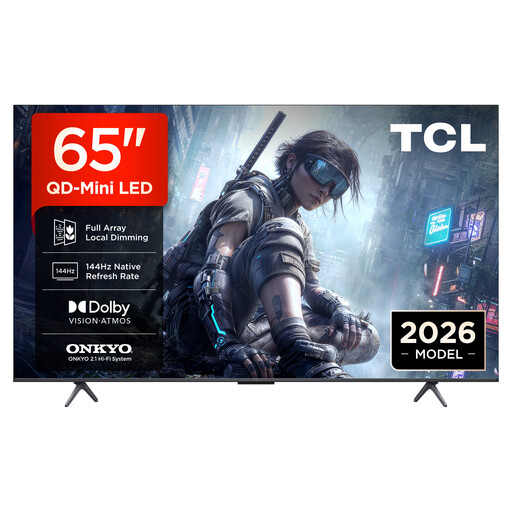 Image unavailable
TCL 65T8D 65-inch QLED QD-Mini LED 4K HDR TV
This larger QD mini-LED version is worth considering if the available space and viewing distance are suitable for a 65-inch screen.
The product title lists Dolby Vision, HDR10+, 144 Hz VRR and an Onkyo 2.1 audio system. This audio specification isn’t an assessment of music quality.
View at Joybuy
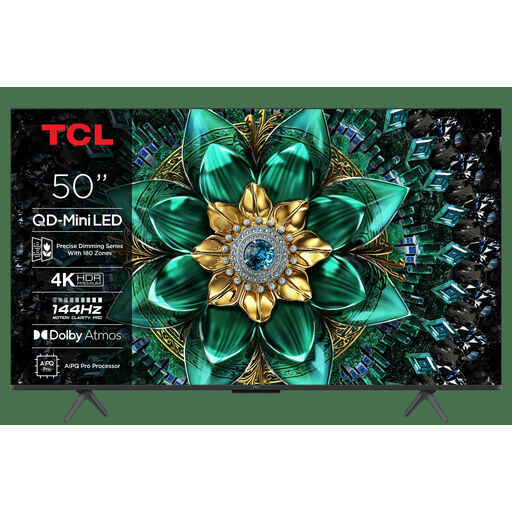 Image unavailable
TCL 50Q6C 50-inch QD-Mini LED 4K TV
A 50-inch QD mini-LED model to include in your comparison if you’re looking for something more compact than a 65-inch TV.
The product title lists 144 Hz and an Onkyo 2.1 audio system. The audio specification isn’t a listening test.
View at Joybuy
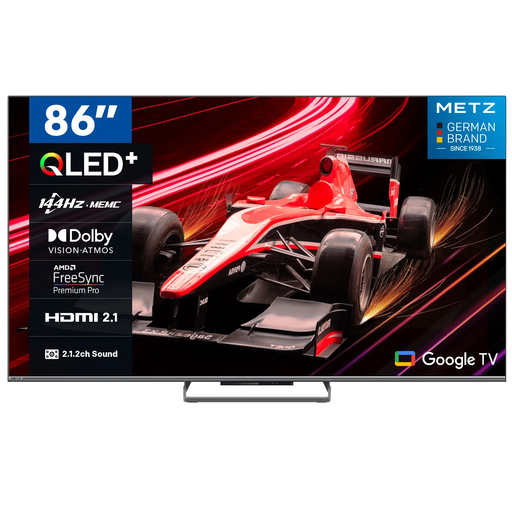 Image unavailable
METZ 86MQE8000Z 86-inch QLED 4K Google TV
Only consider this large screen if the viewing distance and available wall or cabinet space are suitable for an 86-inch TV.
The product title lists 144 Hz, Dolby Vision Atmos and a 2.1.2 audio system with an integrated subwoofer. These aren’t independent assessments of picture or sound quality.
View at Joybuy
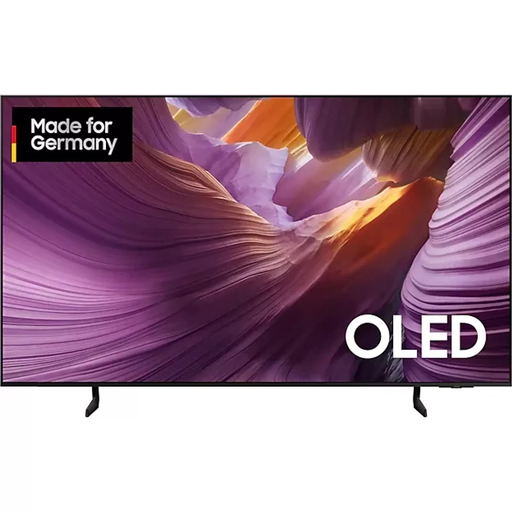 Image unavailable
Samsung S85F Series GQ55S85FAU 55-inch OLED 4K TV
A 55-inch OLED model to compare with LCD and mini-LED TVs, particularly if dark concert scenes and viewing from different spots are important to you.
The product information lists four HDMI connections and a two-channel speaker system. Check that the connections suit your equipment, and assess the sound separately.
View at Joybuy
Frequently asked questions
How do you choose a screen size when the distance from the table and kitchen varies?
Measure both distances and see which size is comfortable to watch from your main viewing position. The Dutch Consumers' Association suggests around 2.4 times the screen diagonal as a starting point for a comfortable viewing distance, not a strict limit. Also check the TV’s actual width and height.
How do you assess the picture after installation?
Watch a familiar scene with both dark and bright areas in the lighting you usually watch in, and adjust the picture settings accordingly. The Dutch Consumers' Association recommends using a familiar scene when setting up your TV. Where possible, avoid direct light falling on the screen; a higher brightness setting increases power consumption.
What should you check before buying a soundbar or connecting an existing sound system?
Before you buy, check the audio output on the exact TV model and make sure it’s compatible with the input on your sound system. Sony specifies eARC/ARC for the K-55XR5; that connection tells you nothing about other models or how a particular soundbar will sound.
How do you compare TV energy consumption?
Compare the energy label and consumption per 1,000 hours for models that are the right size. Milieu Centraal recommends checking the consumption per 1,000 hours on the energy label; the European Commission states that TVs are covered by the European rules on energy labels for electronic displays.
Can you return a TV bought online if it reflects too much in your kitchen-diner?
For a consumer buying online at a distance, there is generally a statutory 14-day cooling-off period from the date of delivery. Your Europe explains this European right of withdrawal; check the terms that apply to your order. A retailer’s more generous returns policy is separate from this statutory right.


