
Vandaag of morgen in huis

Kwaliteit gegarandeerd

Welkomstaanbiedingen ontgrendelen: GRATIS bezorging | Tot 80% korting | Gratis 30 dagen JoyPlus-proefperiode
Download de app
Good cutting tools are the foundation of any kitchen. Yet, the search for the right kitchen knives or a functional cutting board is often more difficult than it seems. Manufacturers make grand promises, but in reality, you can end up with a drawer full of unused knives or a cutting board that warps after just a few weeks. Let's cut through the marketing jargon and look at what really matters.
Before you invest in new cutting accessories for your kitchen, it's helpful to recognise the most common purchasing mistakes. This will prevent you from spending money on products that don't suit your needs.
You don't need to be a materials scientist to make a good choice. Pay attention to a few practical specifications that make the difference between a frustrating and a pleasant cooking experience.
The choice of material determines how a knife cuts, how long it stays sharp, and how you should maintain it.
A cutting board is just as important as the knife. It protects your countertop and your blade.
Ask yourself which tasks you perform most often. Do you mainly chop vegetables? Then a good chef's knife or a handy vegetable chopper might be sufficient. For those who regularly mince garlic or peppers, a small manual food chopper can be more efficient than a large knife. A complete knife set only makes sense if you actually use different types of knives, such as a bread knife, a carving knife, and a smaller paring knife.
Based on functionality and material, we have selected a number of products that suit different types of home cooks.
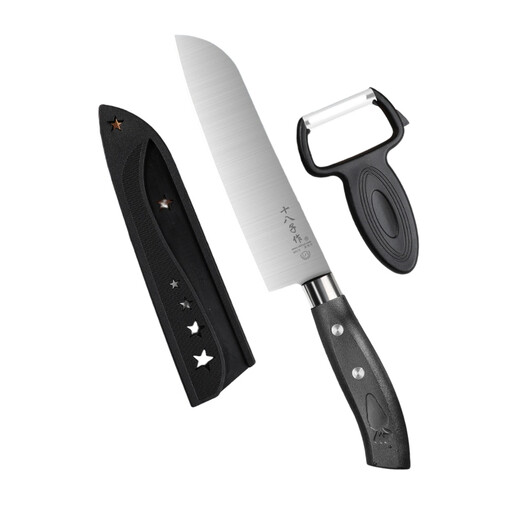
Why it's a match: Ideal for those just starting out or looking for a simple, functional foundation. This set provides a versatile knife for daily cutting tasks and a peeler, without the clutter of a large knife block.
This set bypasses the "complete knife set" pitfall by offering only the essential tools you use daily. No superfluous parts, no wasted space.
An affordable and compact combination for the most common cutting and peeling tasks in the kitchen.
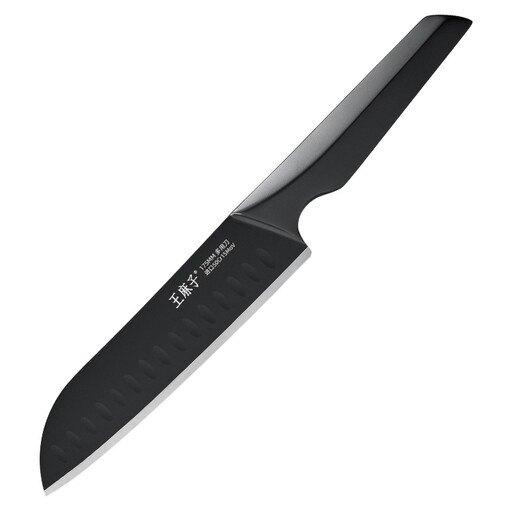
Why it's a match: For the cooking enthusiast who values quality and precision. A Santoku knife is an all-rounder, suitable for slicing, dicing, and mincing. This model is made from a specified type of German steel.
This product focuses on one thing: being a high-quality knife. It avoids the pitfall of exaggerated claims by relying on the properties of the 50Cr15MoV steel and a functional design.
Made from durable German steel for excellent sharpness and longevity. The stainless steel handle is hygienic and sturdy.

Why it's a match: Perfect for those who love a tidy and efficient workspace. Chop your vegetables and slide them directly into the stainless steel collection tray, or use the tray for waste.
This product tackles a practical problem instead of relying on marketing hype. It solves countertop clutter, a functional improvement over a standard bamboo cutting board.
The combination of a durable bamboo board with a slide-out stainless steel tray makes meal prep faster and cleaner.
We have compiled a complete, up-to-date list of products that meet these selection criteria and comply with current EU regulations.
No knife stays sharp forever. For most steel knives, regular honing with a honing steel is sufficient to keep the edge aligned. Every so often, depending on use, they will need to be sharpened with a knife sharpener or a whetstone. Ceramic knives need sharpening less frequently but require a special diamond sharpener.
Both materials can be hygienic if properly maintained. Plastic boards can often go in the dishwasher, which helps kill bacteria. Wood, and bamboo in particular, has some natural antibacterial properties. The key is to avoid deep scratches and to clean and dry the board thoroughly after each use. Using separate boards for raw meat and vegetables is always recommended.
For most home cooks, a complete set is unnecessary. A good chef's knife (or Santoku), a serrated bread knife, and a small paring knife for finer tasks form an excellent foundation. From there, you can expand your collection with specific tools you will actually use, such as a filleting knife or a cleaver.
