
Vandaag of morgen in huis

Kwaliteit gegarandeerd

Welkomstaanbiedingen ontgrendelen: GRATIS bezorging | Tot 80% korting | Gratis 30 dagen JoyPlus-proefperiode
Download de app
A kitchen cooker hood needs to suit your hob, kitchen layout and ventilation options. Yet people often choose one based on a single big number on the product page, such as the maximum airflow rate. This can be misleading. A powerful cooker hood is not automatically the right choice if its size, extraction method or noise level doesn’t suit your home.
There are three pitfalls to watch out for, particularly in apartments, rented homes and open-plan kitchens:
A 60 cm cooker hood will usually fit above a hob of a similar width. Measure the space between your kitchen cupboards as well as the hob itself. A 90 cm cooker hood offers a wider capture area and may suit a wide hob or kitchen island, but it needs more wall and connection space.
The main installation types are:
Before you buy, check the exact width, depth and height, as well as the minimum distance from the hob. The required installation distance may vary between gas and electric hobs. Always follow the installation manual and local regulations.
Airflow is measured in m³/h. A model with an airflow rate of 200 to 400 m³/h may suit a small kitchen and everyday cooking. A higher capacity may be more practical for an open-plan kitchen, frequent wok cooking or lots of frying.
Always compare:
A product page might list an airflow rate of 650 m³/h, while the lower speeds are quieter and use less energy. For exact performance, always refer to the manufacturer’s product information.
A cooker hood that extracts to the outside carries air, moisture and cooking smells outdoors through a duct. It needs a suitable connection, and you may need permission from your landlord or residents’ association.
A cooker hood with a carbon filter offers more flexibility if there’s no external connection. The carbon filter helps reduce smells in the air that’s returned to the kitchen, but it needs to be cleaned or replaced as instructed. A recirculating model also won’t remove moisture from the kitchen in the same way as a system that extracts air outdoors.
Remember to check the maintenance requirements too. Washable aluminium grease filters need regular cleaning. The manufacturers of several models recommend cleaning them every two to four weeks, depending on how often you use the hood.
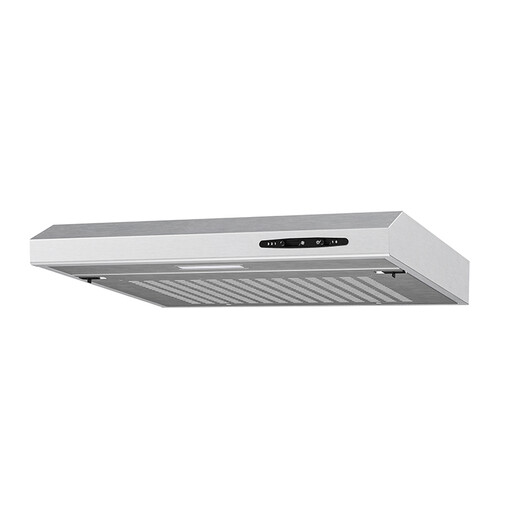
Why it suits this type of buyer: This 60 cm under-cabinet model is designed for straightforward installation beneath a kitchen cupboard. Its push-button controls are simple to use every day.
The product specifications state an airflow rate of 212 m³/h, so you can assess its capacity more realistically than you could from an unspecified marketing claim alone.
60 cm wide, with LED lighting, three speeds and a carbon filter included, according to the product information.
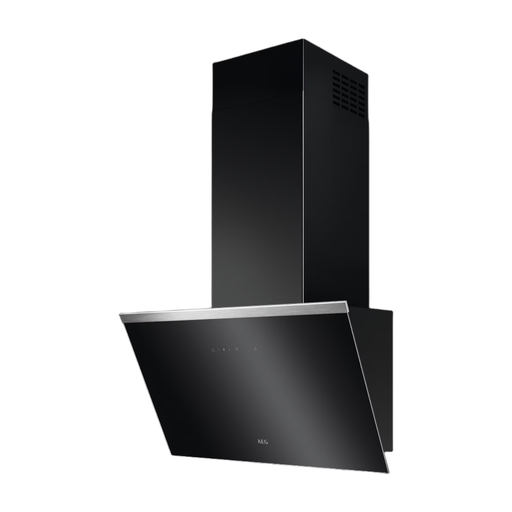
Why it suits this type of buyer: A spacious wall-mounted cooker hood for an open-plan kitchen where easy controls, good lighting and a choice of ventilation settings matter.
The specifications list separate airflow rates and noise levels for extraction and recirculation, making it easier to compare the two installation options.
According to the product information, it has three speeds plus an intensive setting, touch controls, LED lighting and a Hob²Hood function.

Why it suits this type of buyer: An option for anyone looking for a powerful cooker hood with multiple settings, recirculation and app control.
The product information lists both recirculation and external extraction. Check that the supplied duct and your available connection are suitable for your kitchen.
According to the product details: maximum airflow of 650 m³/h, four speeds including boost, Wi-Fi and app control, two washable aluminium filters and a stated maximum noise level of 59 dB.
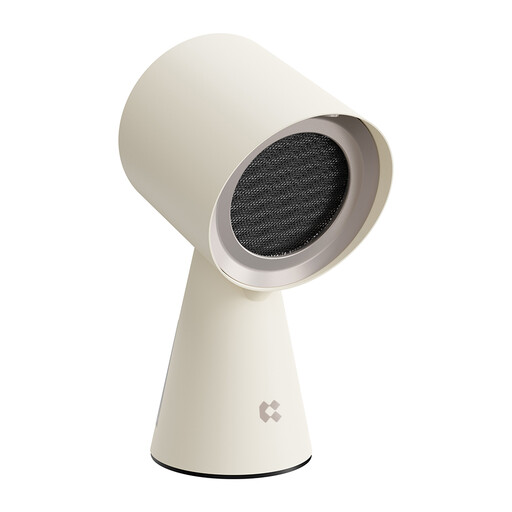
Why it suits this type of buyer: According to the product description, this compact tabletop model doesn’t need a fixed wall outlet and can be placed on a stable worktop.
You don’t need to assume that a fixed extraction duct is available. The unit works as a recirculating system, but good general ventilation in the room is still important.
Compact size, two speeds, a multi-layer filter system and a stated maximum noise level of less than 65 dB.
We’ve put together a complete, up-to-date list of products that meet these strict selection criteria and the applicable European safety regulations.
Yes, if external extraction isn’t possible. A cooker hood with a carbon filter removes some cooking smells from the air. As moisture and heat aren’t fully vented outdoors, it’s important to keep the room ventilated through a window or ventilation system.
If you use it regularly, clean the metal grease filter every two to four weeks. You may need to clean it more often if you do a lot of frying or wok cooking. Replace the carbon filter as instructed by the manufacturer; its lifespan depends on the filter type and how intensively you use it.
It depends on the speed you choose and how the hood is installed. Compare the stated noise level in dB at each setting. A model that’s quiet on its lowest setting may be noticeably louder on its highest or boost setting. So don’t rely on the word “quiet” alone; check the measurements in the specifications.
