
Vandaag of morgen in huis

Kwaliteit gegarandeerd

Welkomstaanbiedingen ontgrendelen: GRATIS bezorging | Tot 80% korting | Gratis 30 dagen JoyPlus-proefperiode
Download de app
A kitchen cooker hood may seem simple to choose, until you take the available space, ventilation and noise level into account. A model with a high extraction rate on paper won’t always suit a small kitchen or a flat without an external vent.
The most common buying mistakes are:
So the right choice starts with your kitchen and cooking habits, not a marketing claim on the packaging.
A 60 cm cooker hood is often suitable for a standard hob. Measure not just the hob, but also the available wall, cabinet or alcove space. A 60 cm wall-mounted cooker hood must be securely fitted and shouldn’t cover any part of the cooking area.
A 90 cm model may be worth considering for a wide hob, an open-plan kitchen or frequent cooking. Its larger canopy captures cooking fumes across a wider area. Make sure the wall, chimney section and any wall cabinets are wide enough.
Also consider the type:
Before buying, check all the dimensions, including the width, depth, height range and distance from the hob. Specific minimum distances may apply when installing above a gas or electric hob. Always follow the instructions and local installation regulations.
Extraction rate is usually given in m³/h. This indicates the volume of air the appliance moves per hour. However, the maximum figure isn’t the only thing that matters. Also check:
Powerful extraction can be useful when stir-frying or deep-frying, but a short, well-installed ventilation duct is just as important. Bends, a narrow hose or a poorly fitted connection can affect performance.
A quiet cooker hood will usually be quieter on its lowest setting than on its highest. Compare the dB ratings for each speed, rather than looking at just one maximum figure. For an open-plan kitchen, a model rated at around 59–64 dB maximum may be more practical than a louder model with a slightly higher stated extraction rate.
According to the product information, for example, the Ciarra 60 cm angled wall-mounted cooker hood has a maximum extraction rate of 580 m³/h and a stated noise level of around 64 dB. These are product specifications; your actual experience will also depend on the installation and setting you choose.
With external extraction, fumes and odours are channelled out of your home through a duct. This can be effective, but it requires a suitable connection and correct installation. In flats or rented homes, you may need permission.
A recirculating cooker hood doesn’t vent air outside. Instead, the air passes through a grease filter and a carbon filter before being returned to the kitchen. This is a flexible option for homes without an external duct, but the carbon filter in a cooker hood needs regular maintenance or replacement.
Keep these points in mind:
A cooker hood with LED lighting can also give you a clearer view of the hob. Touch controls are easy to wipe clean, while push-button or slider controls can be convenient when your hands are wet or greasy.
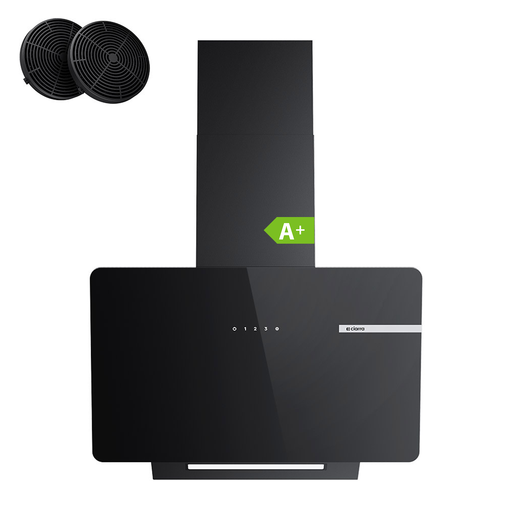
Why it suits this profile: A 60 cm wall-mounted model with recirculation and external extraction options is a good fit for compact kitchens and standard hobs.
The product information lists both installation options and a removable aluminium grease filter. This means you don’t have to commit to just one ventilation type in advance.
According to the product specifications: maximum airflow of 580 m³/h, A+ energy rating, touch controls, LED lighting and a stated maximum noise level of 64 dB.

Why it suits this profile: A good fit for a modern kitchen where touch and app controls, flexibility and low stated energy consumption are important.
The product specifications list both recirculation and external extraction. Check in advance that the supplied or required duct is suitable for your kitchen.
According to the product information: maximum extraction rate of 650 m³/h, stated maximum noise level of 59 dB, A+++ energy rating, four speeds including a booster setting, and two washable aluminium filters.
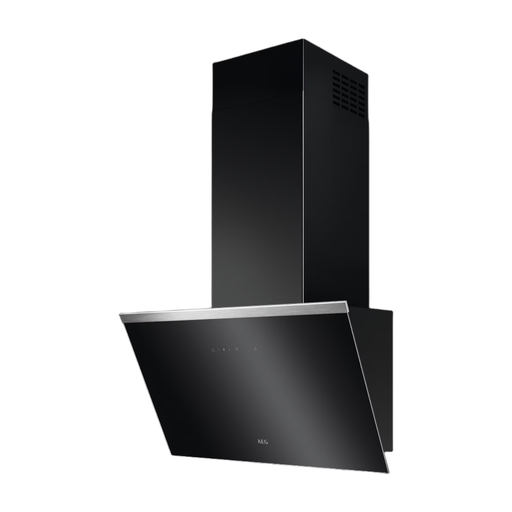
Why it suits this profile: A suitable option for kitchen renovations where the cooker hood needs to be fully concealed in a cabinet.
The stated width is 60 cm, but check the cabinet opening, depth and connection before ordering. According to the product information, an extraction duct isn’t included with this model.
According to the stated specifications: integrated installation, maximum extraction rate of 650 m³/h, A+++ energy rating, and support for recirculation or external extraction.
We’ve put together a complete, up-to-date list of products that meet these strict selection criteria and the applicable European safety regulations.
Clean the metal grease filter regularly – for example, every two to four weeks if you cook frequently. Check the instructions for the correct cleaning method. For recirculation, check and replace the carbon filter as directed.
Switch off the power before cleaning or carrying out maintenance. Keep flammable materials away from the hob, and don’t use the cooker hood if the cable or plug is damaged. For external extraction, make sure the installation is connected correctly. Electrical connections and complex installation work should be carried out in accordance with the applicable regulations.
Recirculation is a practical solution for a home without an external duct. The grease and carbon filters treat the air before it’s returned to the room. However, moisture isn’t removed in the same way as it is with an external duct. Make sure you ventilate the room in another way too, and maintain the filters as instructed.
The hood is usually at least as wide as the hob. A 60 cm cooker hood suits many standard hobs. For a wider cooking area or an open-plan kitchen, a 90 cm cooker hood can offer a larger capture area. Always check the exact installation width and available space.
Energy use depends on the energy rating, power consumption, speed setting and how long you use it for. A model with low stated annual energy consumption may cost less to run, but clean filters and correct installation also matter. So compare both the energy rating and the annual kWh figure on the product label.
